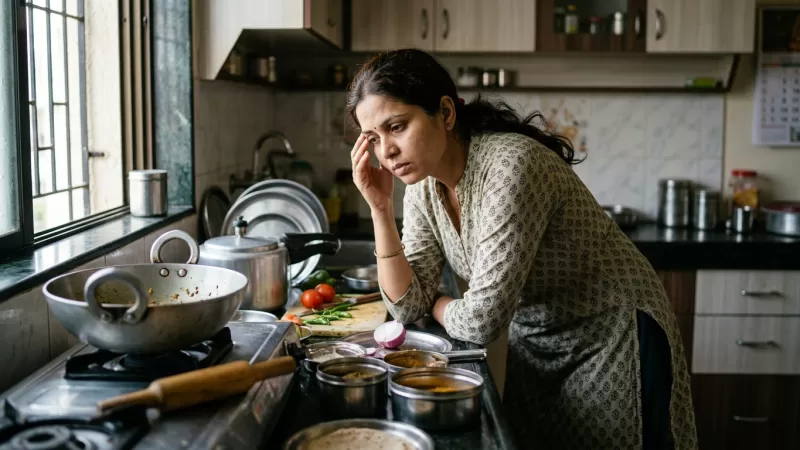
Some days simply refuse to go by the book. You might wake up with every intention to have a proper breakfast, lunch, and dinner, but life has other plans. Meetings run late, children fuss over homework, guests drop by unannounced, or the weather itself makes you crave something light every few hours. On these days, a handful of nuts, a cup of chai with a biscuit, a bowl of poha, or a piece of fruit might quietly replace your usual meals. If you’ve found yourself moving from snack to snack instead of sitting down for traditional meals, you’re certainly not alone. Many Indian homes see this pattern, especially during festival weeks, school holidays, or busy work-from-home days. The tricky part is making sure this scattered eating doesn’t leave you feeling tired or off-balance.
Why Do We End Up Snacking All Day?
There are plenty of reasons. Sometimes, it’s just a busy schedule—long commutes, back-to-back meetings, or running errands make it hard to sit down for a full plate of dal, roti, and sabzi. Other times, especially in summer or during periods of mild illness, appetites drop and lighter, smaller foods feel easier to manage. Even boredom or stress (think exam season, family tensions, or late-night deadlines) can send you to the kitchen for a nibble more often than you realize.
Snacking, in itself, isn’t always a problem. In many Indian households, chai-time is almost sacred, with a little something on the side—perhaps murmura, roasted chana, or a homemade laddoo. The challenge is when snacks quietly take over, pushing out the more balanced, nourishing meals your body actually needs. You might notice this especially after a few days: energy dips, crankiness, even some digestive discomfort.
So, the question isn’t whether snacks are bad, but how to fit them into your day thoughtfully, so you’re still giving your body what it needs to keep going strong.
Understanding What a Balanced Meal Means (Even on Snack Days)
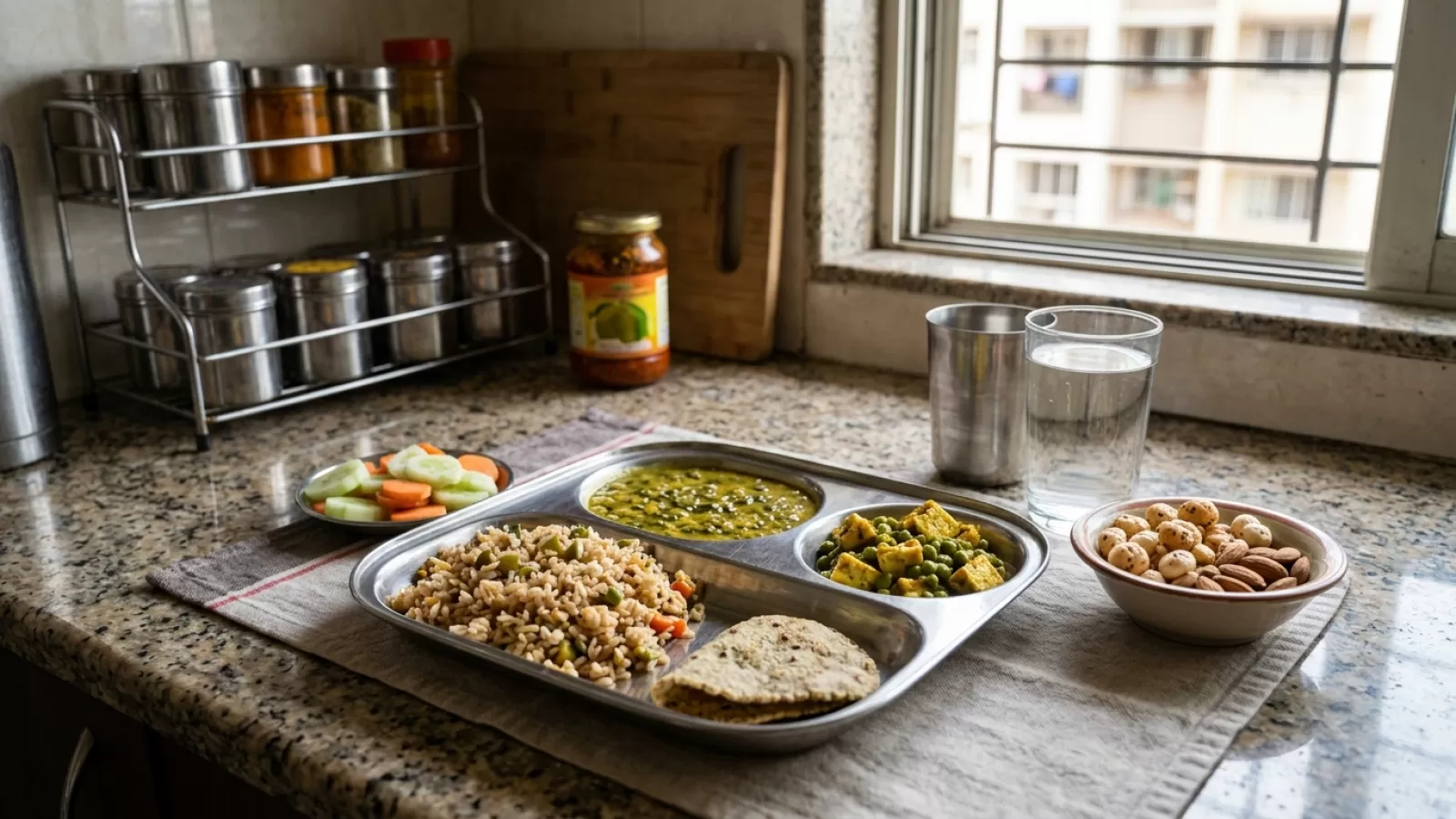
On a typical day, a balanced meal in most Indian homes means a mix of carbohydrates (like rice, roti, or idli), some protein (dal, curd, paneer, eggs), a serving of vegetables, and maybe a little healthy fat (ghee, nuts, or oil used in tadka). When you eat this way, your body gets a steady supply of energy, plus enough nutrients to keep your mind sharp and your mood steady.
But when the day slips into a snacking rhythm, it’s easy to end up eating mostly carbs or just salty, fried things. For example, a few biscuits with tea, some namkeen, and a banana may fill your stomach, but they won’t keep you satisfied for long or support your body’s needs over the day.
Here’s the catch: balancing nutrition doesn’t require perfection. Even on days filled with small bites, you can gently nudge your snacks to cover the basics. Sometimes it’s as simple as adding a bit of protein to your plate or remembering to include a piece of fruit or a handful of salad with your evening chai.
How to Build a Balanced Snack Plate
If you’re going to snack your way through a day, you can still make those snacks count. The idea isn’t to fuss over every bite, but to bring a little more intention to what’s on your plate or in your bowl. Most Indian kitchens already have the building blocks.
- Mix up the food groups: Try to include something from at least two or three groups—carbs (like murmura, poha, or toast), protein (boiled eggs, sprouts, curd), and vegetables or fruit (sliced cucumber, carrot sticks, apple, or guava).
- Include healthy fats: A few nuts, seeds, or a drizzle of ghee or olive oil can help you feel fuller and steadier.
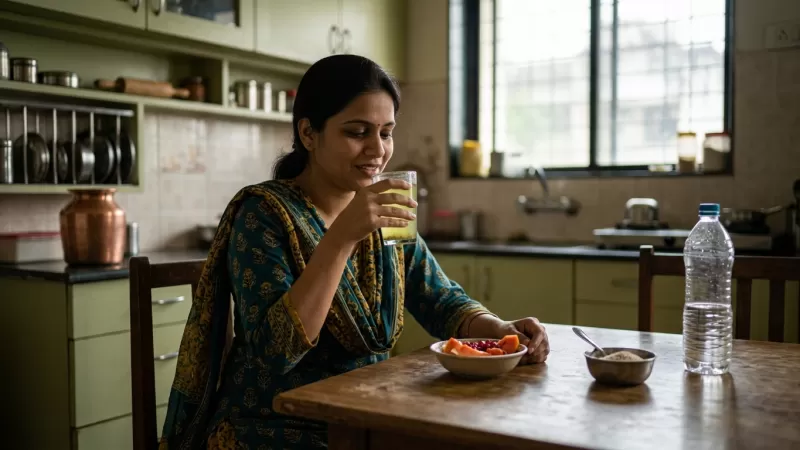
- Don’t forget hydration: Along with snacks, remember to sip water, buttermilk, or coconut water—especially on hot or hectic days when it’s easy to forget.
One practical example: Instead of just a bowl of chiwda, add some roasted peanuts and a side of chopped tomatoes or cucumber. Or, if you’re having toast, spread a little peanut butter and add a few slices of banana.
These tiny tweaks aren’t about making every snack “perfect,” but they do add up to feeling more satisfied and steady as the day goes on.
Common Snack Pitfalls and Simple Ways Around Them
Most people don’t plan to eat only biscuits, chips, or sugary drinks all day—it just happens, especially when you’re tired, distracted, or in a rush. Many families quietly deal with this, especially during exam weeks or busy festival preparations.
Here are a few pitfalls and some gentle ways to handle them:
- Endless munching: Keeping open packets of namkeen, chips, or sweets within easy reach makes it easy to eat more than you realize. Try to portion out a small bowl, rather than eating straight from the pack.
- Missing protein: If most snacks are just carbs, you might feel hungry again soon. Adding a boiled egg, a small bowl of curd, or a handful of roasted chana can help even things out.
- Skipping fruits and veggies: It’s easy to forget these on snack days. Keeping washed fruit or carrot sticks ready in the fridge can make a big difference.
Nobody gets it right all the time. But with a few small changes, snack days can be a little more nourishing and satisfying.
Making Traditional Indian Snacks More Balanced
Indian snacks are often delicious but can also be heavy on oil, salt, or sugar. The good news is, many can be tweaked just a bit to bring in more balance without losing their comfort or taste.
- Bhel puri or chaats: Add extra sprouts, chopped tomatoes, onions, and coriander. Skip or reduce the sev if you want to keep it lighter.
- Pakoras or bhajiyas: Enjoy them with a side of salad or a bowl of curd. You can also try baking instead of deep frying sometimes.
- Dhokla, idli, or upma: Pair with a handful of peanuts, coconut chutney, or some steamed veggies for extra protein and fiber.
During the rainy season, for example, it’s almost impossible not to crave something fried with your chai. That said, adding a plate of sliced fruit or a bowl of roasted moong dal can quietly bring more nourishment to the table.
How to Listen to Your Body’s Signals
On snack-heavy days, it’s surprisingly easy to lose track of whether you’re actually hungry or just eating out of habit or boredom. Many people notice, by late evening, a sense of heaviness, dullness, or even guilt about eating “too much.”
It helps to pause for a moment before reaching for the next snack. Ask yourself: Am I really hungry, or just looking for comfort or distraction? If it’s true hunger, you’ll feel it in your stomach, not just as a thought in your head.
Sometimes, a glass of water or a short walk can help you tune in to what your body really needs. And if you do overdo it once in a while? That’s normal. Most people do, especially when life is hectic.
Finding a Gentle Routine Amidst the Chaos
It’s easy to feel a bit scattered or guilty when your meals are all over the place. The truth is, these days come and go for everyone—whether you’re running a household, working late, or juggling family needs. The goal isn’t to chase some perfect routine, but to find small anchors that help you feel nourished and steady, even on the busiest days.
- Try to have at least one sit-down meal (even if small) with your family. It can be comforting and grounding, especially for children or elders.
- Keep easy, wholesome options ready—curd rice, khichdi, fruit chaat, or stuffed paratha—so that, when hunger strikes, you’re not left with only processed snacks.
- Give yourself permission to rest. Sometimes, fatigue makes us reach for snacks when what we really need is a break or a short nap.
There’s no single right way, and every household will find its own rhythm over time.
When Snack Days Repeat: What to Watch For
If you notice that snack-based eating is becoming the norm, not the exception, it might be a gentle sign to check in with your routine. Children, teens, and older adults are especially sensitive to missing out on proper meals, and you might notice changes in their energy, mood, or focus.
Some signs to look out for:
- Feeling unusually tired or irritable, especially in the evening
- Digestive issues—bloating, acidity, or constipation
- Difficulty concentrating, especially for students or those working from home
If you see these patterns repeating, it may help to bring back a simple meal or two into the day, even if it’s just dal and rice, a vegetable pulao, or a bowl of sambar with idlis. Small changes, done gently, often work best in many families.
Final Thoughts: It’s About Balance, Not Perfection
Most Indian families, at some point, will have days (or weeks) when proper meals get replaced by scattered snacks. This is part of modern life—between busy schedules, family needs, and the changing seasons, routines will shift. What tends to matter most is not aiming for perfect meals every day, but gently making sure your snacks still give you a little bit of what your body needs—some protein, a little fiber, plenty of water, and a moment to pause.
So, on those chaotic days, don’t be too hard on yourself. Small, steady changes can help you feel nourished and balanced, even when life keeps you on your toes.