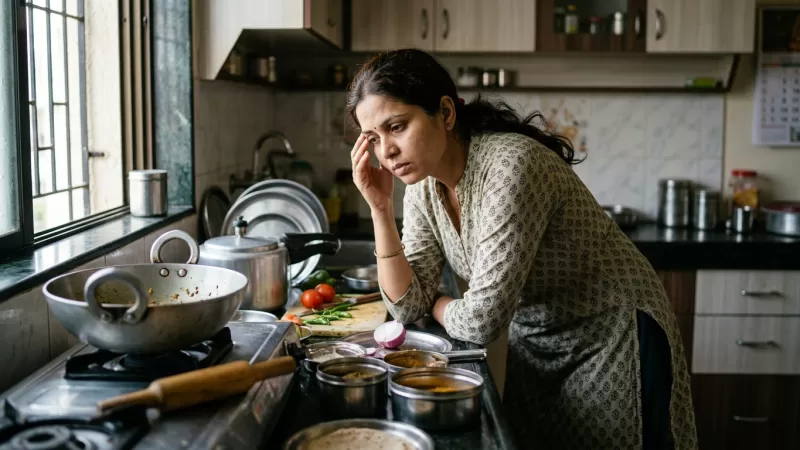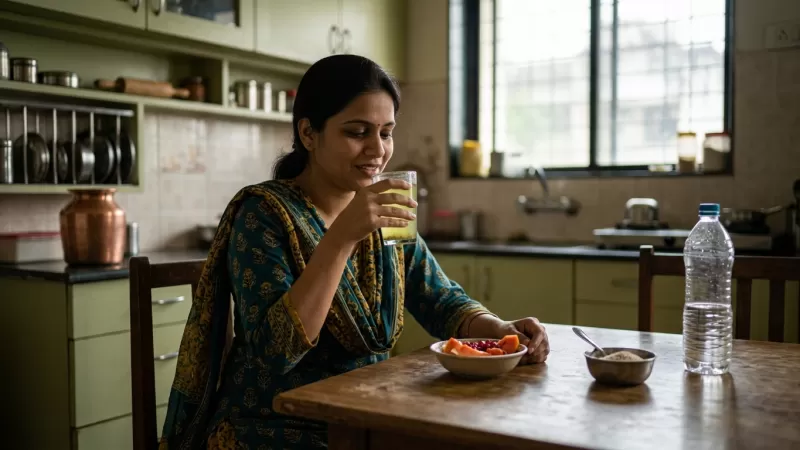
It’s a familiar situation in many homes: some days, you wake up ravenous, but by lunchtime, your appetite has vanished. On other days, you can go for hours without feeling hungry, only to find yourself snacking endlessly at odd times—sometimes even after a full dinner. Hunger doesn’t always run on a neat schedule, even though life in India often does. Finding a balanced way to eat on days when hunger feels unpredictable can make a big difference to your comfort and energy.
Why Hunger Feels Uneven (And Why It’s Normal)
Let’s be honest—very few people feel hungry at the same times every single day. Between busy work-from-home meetings, school runs, or festival preparations, you may find yourself eating quickly one day and skipping a meal the next. It happens. The body’s hunger signals can change based on sleep, stress, weather (especially during hot Indian summers), hormonal cycles, or even something as simple as a late-night dinner the previous day.
For many, there’s a quiet worry: "Is it bad if I’m not hungry at lunchtime? Should I force myself to eat?" The truth is, occasional shifts in appetite are common. Trying to eat only because the clock says so can sometimes leave you feeling heavy or uncomfortable. But skipping meals too often or eating chaotically can also leave you tired, irritable, or with headaches.
The tricky part is, most Indian families have set meal routines—breakfast before school, lunch at 1 PM, dinner after a long commute. So uneven hunger can feel inconvenient or even a little awkward in a joint family, where food is served together. But it’s usually not something to worry about unless it’s happening all the time or affecting your health in noticeable ways.
Listening to Your Appetite Cues
On days when your hunger isn’t following the usual pattern, it helps to pay attention to what your body is actually asking for. Sounds simple, but it takes a bit of practice—especially if you’ve gotten used to eating by the clock or clearing your plate out of habit.
Some gentle indicators that real hunger is present:
- A mild, empty feeling in the stomach (not just boredom or thirst)
- Food smells or looks appealing
- Low energy or mild irritability that improves after eating
But sometimes, you’re just not hungry at the usual meal times. Maybe you had a heavy breakfast or a late-night snack. On such days, it’s okay to have a lighter meal or even postpone eating by an hour or two, if your schedule allows. In many Indian homes, this flexibility isn’t always possible, but a little adjustment is often manageable—like taking a small portion, or just dal and sabzi with less roti.
Building Flexible Meal Patterns
Most families find comfort in a routine, but on days when your hunger is unpredictable, having a loose meal pattern can help. Instead of rigid portions at fixed times, try thinking in terms of gentle structure—enough to nourish you, but not so strict that you feel pressured.
Here’s what that might look like:
- Have a simple breakfast, but keep it light if you’re not hungry—maybe just a banana or a cup of chai with a biscuit.
- At lunch, focus on 1–2 simple dishes (dal-rice, sabzi-roti) rather than a full spread.
- If you’re hungry mid-afternoon, a small bowl of curd, a handful of peanuts, or some fruit can tide you over.
- For dinner, listen to your body—do you want a full meal, or just a bowl of soup and a piece of toast?
On days when you’re really not hungry, it’s fine to skip a heavier meal and have something light. That said, try not to go completely empty for very long stretches (say, six hours or more), especially if you’re doing household chores or looking after kids or elders.
Simple Foods That Work Well With Changing Hunger
One advantage of Indian home food is how versatile it is. On days when hunger is unpredictable, familiar foods can be easily adjusted in portion and richness. You don’t have to cook something new—just tweak what’s already there.
Some foods that usually work well when appetite is uneven:
- Khichdi – Light, filling, and easy to digest
- Curd rice – Especially cooling in the summer months
- Moong dal soup or sambar – Gentle on the stomach
- Steamed vegetables with a bit of ghee
- Fruit – Papaya, banana, apple, or seasonal options
- Buttermilk or lassi – Hydrating and light
Try to avoid very oily, spicy, or heavy dishes on days when you’re not very hungry. These can sometimes make you feel sluggish or uncomfortable later, especially during humid weather.
Handling Snacks and Sudden Cravings
Many people notice that, on days with uneven hunger, cravings for snacks sneak up—sometimes for sweet things, sometimes for crunchy salty items. You’re not alone; this is extremely common, especially in the late afternoon or after a long, tiring day.
The catch is that mindless snacking can pile up quickly, leaving you too full for regular meals or making you feel uneasy. But completely denying yourself a snack can also backfire, leading to overeating later.
A practical approach:
- When a craving strikes, check in with your body—are you actually hungry, or just bored or tired?
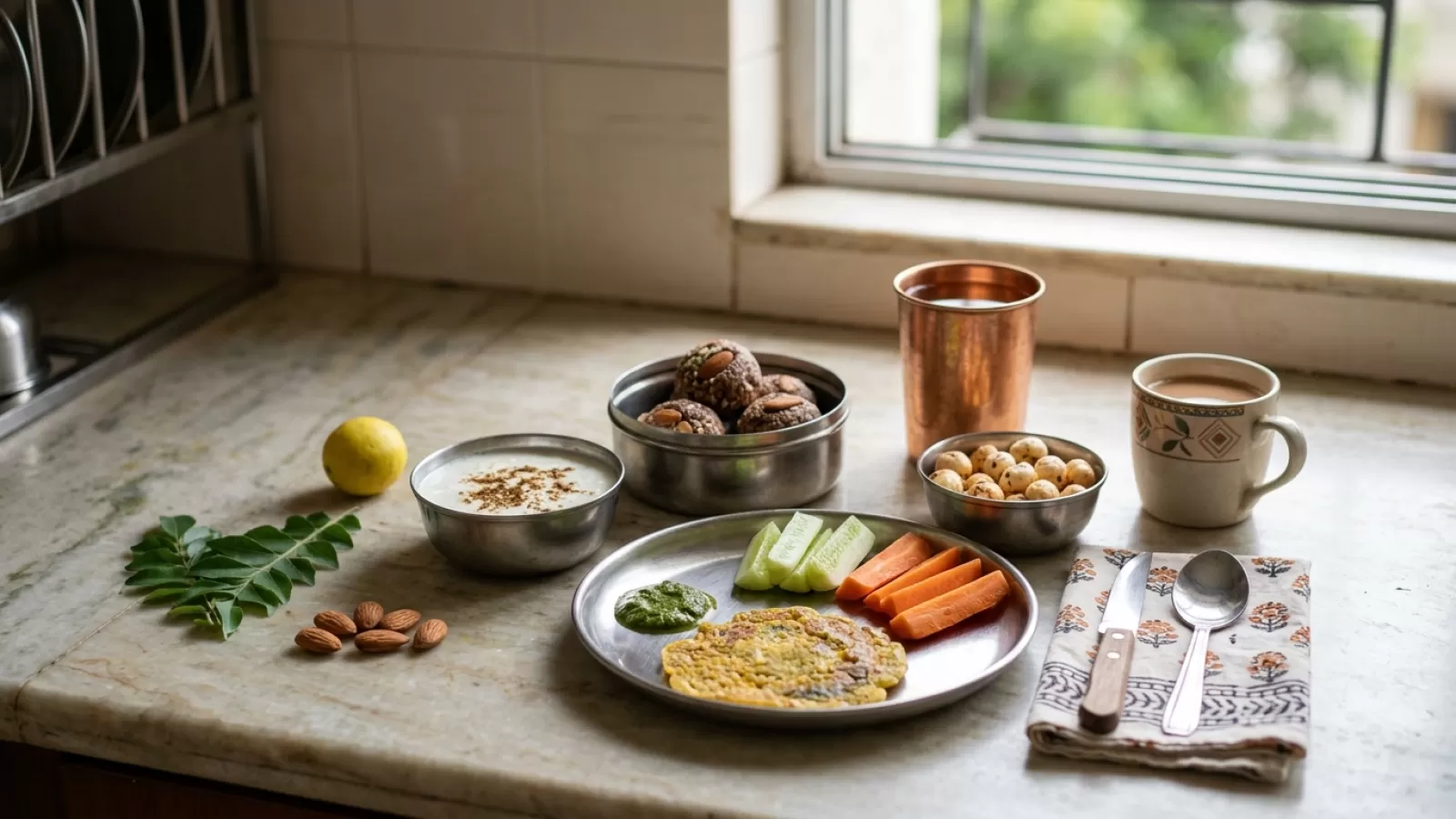
- Keep handy some lighter options: roasted chana, murmura, a small piece of jaggery with peanuts, cut fruit, or a cup of tea with a little poha.
- If you want something fried (like samosas or bhujia), take a small portion and eat it slowly. Savoring it mindfully often helps you feel satisfied with less.
It’s perfectly normal to want a treat sometimes. The idea is to enjoy it without letting it replace your main meals entirely, especially if you’re not otherwise eating enough.
Staying Nourished Without Forcing Yourself
It’s easy to worry that you’re not eating “properly” if you skip a meal or eat less than usual. In reality, your body can usually handle a lighter day or two, as long as you get back to your usual pattern soon.
Some gentle ways to support your nourishment, even on off-days:
- Include something from each basic group if possible: a bit of dal or paneer, some vegetables, and a small serving of rice or roti
- Have a glass of milk or a bowl of curd if you skip a meal—these are easy, quick, and nourishing
- Drink enough water, especially during summer or if you’re not eating much
You’ve probably noticed, after a day of light eating, your appetite often returns naturally. Trust your body’s signals; forcing large meals when you’re not hungry can be uncomfortable, and isn’t always necessary.
Family Routines and Social Eating
In many Indian homes, meals are shared together, which can make it awkward if your hunger doesn’t match everyone else’s. It’s common for someone to quietly take a smaller portion, or just eat the sabzi and skip the rice. If you’re preparing food for others, you might worry about waste or not eating together.
It can help to:
- Serve yourself a modest portion and take seconds only if you feel like it
- Let family know you’re not very hungry today—most people understand, even if they don’t say much
- Store leftovers safely so they can be eaten later without guilt or waste
During festivals or gatherings, there’s often pressure to eat more than you want. It’s okay to politely take a small helping, or just enjoy the company without overfilling your plate. Most people appreciate honesty, even if it takes a little courage to say no sometimes.
Gentle Patterns for the Next Day
After a day of uneven eating, it’s natural to wonder what to do next. Should you compensate by eating more? Should you go back to your usual routine? In most cases, just returning to your regular meal pattern is enough.
If you feel a bit tired or weak after a light day, focus on simple, nourishing meals the next day—maybe paratha and curd for breakfast, dal-rice and sabzi for lunch, and a light dinner. Try not to swing to extremes; your body usually finds its own rhythm again.
Some days are just like this—out of sync, a bit uneven. It happens to everyone at some point, and it’s rarely a sign of anything serious. With a bit of gentle adjustment and understanding, you can keep yourself and your family comfortable, nourished, and at ease, even on the most unpredictable days.