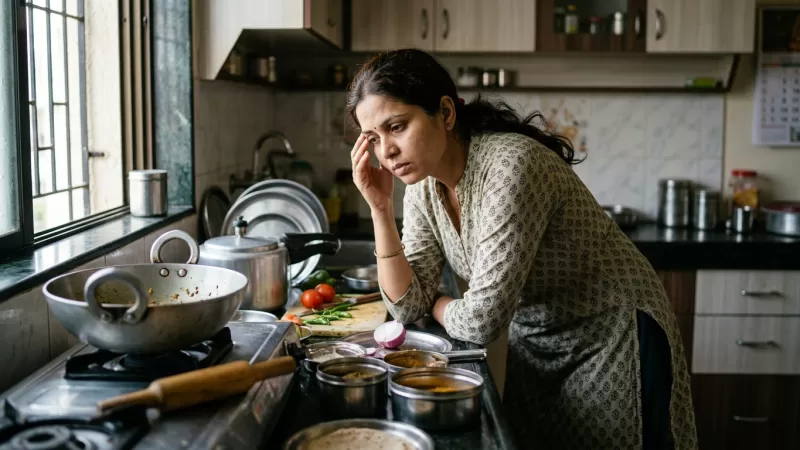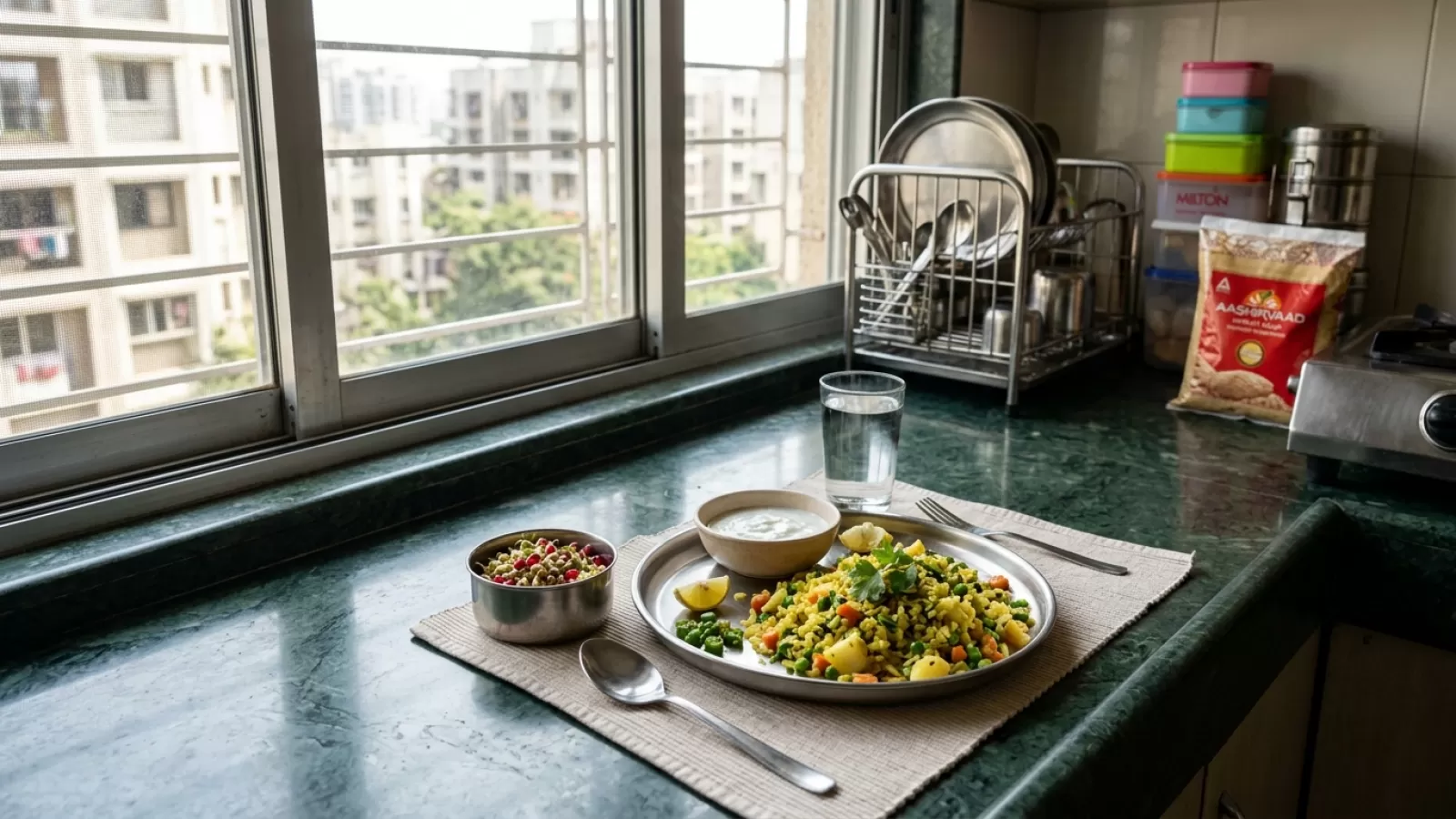
Some weeks are just unpredictable. One day you’re having breakfast at 8 am, the next it’s closer to noon. Maybe you’re juggling school runs, office calls, or sudden visitors. Or perhaps there’s a family event, exams, or work deadlines that push your regular meal routines out of shape. In many Indian homes, these ups and downs are simply part of life. The challenge is how to keep everyone feeling nourished when meal times keep shifting. While it’s tempting to grab whatever’s handy or skip meals, there are gentle ways to bring balance back to your eating, even during the most irregular weeks.
Why Indian Families Often Face Irregular Meal Times
In India, the day rarely follows a single pattern for long. School timings shift between summer and winter. Work-from-home calls can stretch late into the evening. Sometimes, festivals throw schedules off for days, with heavy lunches and late-night sweets. Many families share one kitchen, so meal timings have to be adjusted for everyone’s needs and routines.
Even in small families, if both partners are working, dinner might get delayed or lunch is just a quick bite between meetings. Seniors at home may prefer early meals, while younger members eat late. Over time, all this juggling leaves little chance for three perfectly timed meals.
You’ve probably noticed: meal times in India are rarely set in stone, and that’s okay. The key is not to stress about perfection, but to work with what’s possible.
What Does "Balanced Eating" Mean When Timings Are Off?
Balanced eating isn’t about strict schedules or fancy ingredients. It’s simply making sure your body gets a mix of what it needs—carbs, proteins, vegetables, and some healthy fats—across the day, even if the timing changes.
During irregular weeks, balance might mean:
- Trying to include at least one serving of dal, chana, or other protein in the day
- Adding a handful of vegetables to whatever meal you’re having, even if it’s just poha or a sandwich
- Not skipping meals entirely, but maybe eating a smaller, simpler meal if time is short
- Noticing hunger and fullness, rather than the clock, for guidance
Here’s the catch: balance is a direction, not a rulebook. Some days you’ll manage better than others. That’s normal.
Practical Ways to Nourish Yourself on Chaotic Days
Many people quietly deal with guilt when routines slip. But you don’t need a perfect meal plan to stay nourished. Small, flexible habits can make a big difference.
- Keep simple staples handy: Cooked dal, steamed rice, or boiled potatoes can help you put together a meal in minutes.
- Make friends with leftovers: Last night’s sabzi can go into a paratha or sandwich. A boiled egg with roti and achar is a meal.
- Rely on quick, wholesome snacks: Roasted makhana, murmura, or fruit with a handful of nuts fills hunger gaps without much effort.
- Batch-cook when possible: If you’re able, making extra dal or sabzi ahead can save you on days when you’re too tired to cook.
Sometimes, just knowing there’s something easy and familiar in the fridge can take the edge off a busy day.
Smart Snacking Without Overdoing It
When meals are delayed or skipped, snacking becomes the fallback. But it’s easy to reach for fried snacks or sweets, especially when you’re tired or stressed. The tricky part is finding snacks that fill you up but don’t leave you feeling sluggish.
Some practical snack ideas that many Indian homes use:
- Sliced fruit or cucumber with salt and pepper
- Chana (roasted or boiled)
- Homemade popcorn (not the buttery packet kind)
- Curd with a pinch of jeera powder
- Simple upma or poha, if you have 10–15 minutes
These options are familiar, easy on the stomach, and can be made in small portions. You might still crave biscuits or namkeen on occasion. That’s okay—just try not to let them crowd out more nourishing choices over the week.
Listening to Your Body, Not Just the Clock
Modern life in India often means eating because the clock says so, not because you’re hungry. But on weeks when routines are scrambled, it’s worth paying attention to what your body tells you.
Ask yourself: Am I truly hungry, or just bored or stressed? Is my stomach actually growling, or am I eating because everyone else is? This isn’t always easy—especially when you’re tired or in a rush—but even pausing for a moment can help you make better choices.
Some days, you might eat a big lunch and feel less hungry at dinner. That’s fine. Other days, you’ll need an extra snack. Allowing some flexibility, instead of forcing yourself into fixed patterns, usually feels more doable in the long run.
Making Family Meals Work—Even When Everyone’s Schedule Is Different
In joint families or with kids and seniors at home, meal times can start to feel like a puzzle. One person’s mealtime is another’s snack time. Trying to sit down together for every meal may not be practical, especially during exam season, school holidays, or when there’s shift work involved.
What tends to help families most is having a few shared foods ready—like a pot of dal, a stack of rotis, or cut fruit. This way, whoever is hungry can make a plate without much fuss. Some families even keep a running pot of tea or buttermilk in the kitchen so everyone can help themselves as needed.
Of course, when you do get a chance to share a meal—even if it’s just chai and toast late at night—it can be a nice way to reconnect. But there’s no need to force togetherness at every meal if schedules simply don’t allow it.
Gentle Tips for When You’re Too Tired or Overwhelmed to Cook
Let’s be honest: there will be days when cooking feels like too much. Maybe you’ve had a long commute, or the power is out again. Or you’re just not in the mood. These days happen to everyone.
Some gentle options that don’t require much effort:
- Curd rice with pickle
- Peanut butter or jam on toast
- Ready-to-eat khichdi packets (just check for too much salt)
- Oats with milk and a banana
It’s fine to lean on these quick fixes sometimes. The idea is to avoid skipping meals or relying only on packaged junk food. Over time, even small acts of self-care—like making a cup of tea or cutting some fruit—can make you feel a bit more settled.
Finding Your Own Rhythm, Not Someone Else’s
With so much advice floating around, it’s easy to feel you’re not doing enough. But every family’s rhythm is different. What matters most is finding small, realistic ways to keep yourself and your loved ones nourished, whatever the week throws at you.
Some weeks will be more organized, others will be unpredictable. That’s life. If you’re managing to put together a simple meal, keeping some fruit in the bowl, or sharing a laugh at the kitchen table, you’re already doing a lot.
And that’s something worth remembering on the busiest days.