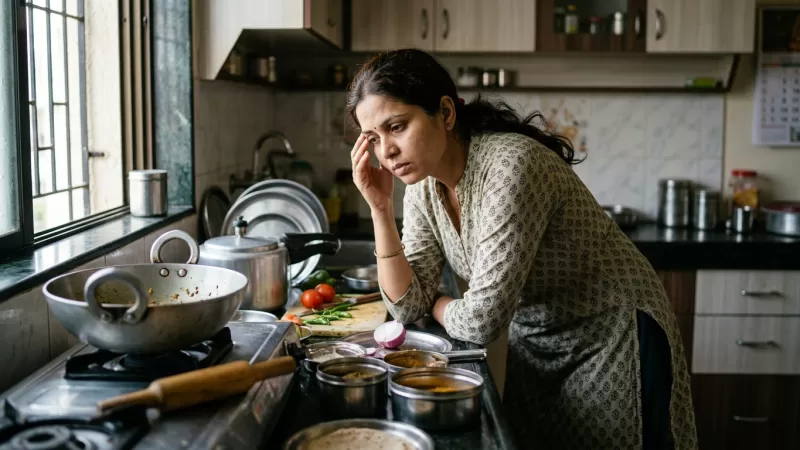
Most afternoons in Indian households follow a familiar rhythm: the morning rush settles, lunch is done, and suddenly, around 3 or 4, you feel a wave of hunger. But making a full meal at this time? It just doesn't sit right. Still, the body asks for something – a gentle nudge of energy to carry you through. Many people quietly wrestle with this: how to eat just enough to feel steady, without feeling heavy or sleepy. Here's a practical, caring guide to handling those afternoon hunger pangs, drawn from the rhythms of daily Indian life.
Why Afternoon Hunger Feels Different
There's something about the Indian afternoon. The sun is strong, the day is half-done, and your digestive system is already processing lunch. Still, hunger shows up – sometimes as a dull ache, sometimes as pure distraction. In many homes, this hunger isn't as ferocious as the morning but it's tricky: ignore it, and you feel cranky or tired; overdo it, and the rest of the day feels sluggish.
One reason is our usual meal timings. Lunch is often the biggest meal, but the gap between lunch and dinner stretches long. Office-goers, homemakers, and retired folks all feel it in their own way. Many reach for chai and something crunchy, but then end up feeling either too full or unsatisfied.
It's worth remembering: afternoon hunger isn't a problem to be "fixed". It's a normal body signal. The aim is to respond gently, without turning a small need into a big issue.
The Trouble with Heavy Snacking
Chances are, you've tried certain snacks that promise quick comfort. Samosas, biscuits, fried mixtures, even leftover paratha – they all seem tempting when you're hungry and energy is low. But here's the catch: these foods can leave you feeling heavy, sleepy, or even a bit regretful.
Heavy snacks tend to sit in the stomach. When you eat too much or too rich, your body gets busy digesting instead of helping you concentrate. For working people, this often means the rest of the workday drags on. Seniors sometimes complain about feeling bloated or uneasy.
Of course, a treat now and then is fine. But as a daily habit, heavy snacks make afternoons harder, not easier.
Gentle Eating: What Does It Really Mean?
Gentle eating is not a diet or a rule. It's simply listening to what your body needs, and choosing foods and habits that help you feel comfortable, alert, and satisfied – but not stuffed. In the afternoons, this usually means foods that are:
- Easy to digest – not too oily or spicy
- Portion-controlled – just enough, not a meal by itself
- Slow-releasing – foods that give steady energy
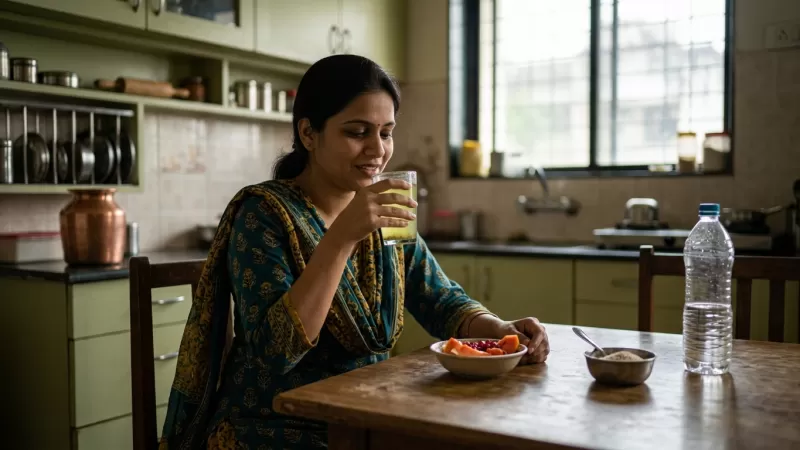
Sometimes, it's also about how you eat. Taking ten minutes to sit quietly with a bowl of fruit or a small handful of roasted chana can feel surprisingly satisfying. No need to rush or multitask.
Simple Snack Ideas That Work in Indian Homes
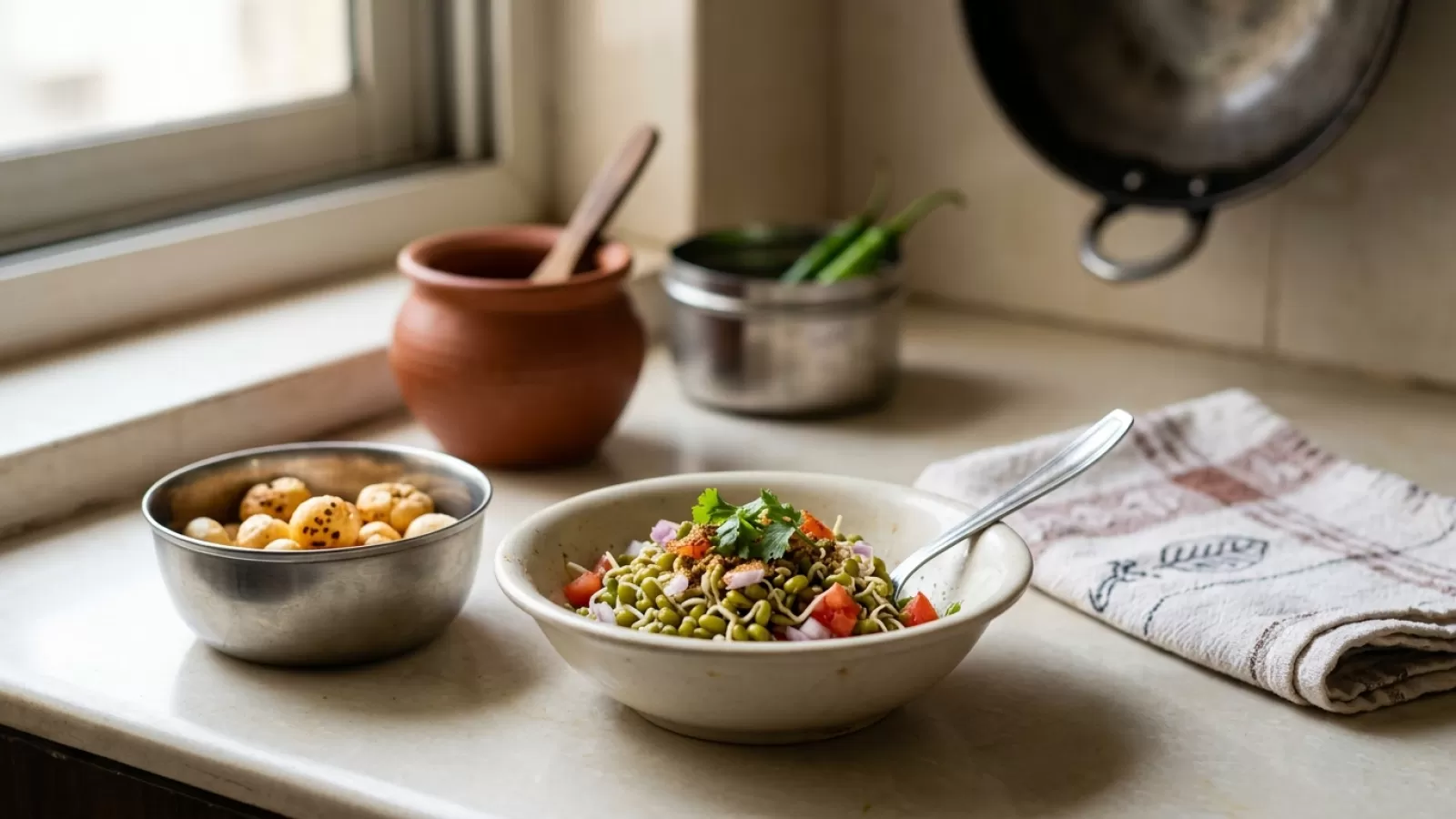
Almost every kitchen has something that fits the bill. The trick is to reach for foods that fill the gap, not your stomach. Here are some options that tend to work well in Indian homes:
- A small bowl of homemade poha or upma (light on oil and spices)
- Roasted peanuts or chana – just a small handful
- Fresh fruit slices (banana, apple, guava, papaya – whatever's in season)
- Curd with a spoon of jaggery or a pinch of chaat masala
- Thin buttermilk (chaas) with roasted cumin
- Whole wheat khakhra or a couple of digestive biscuits
- A few cubes of paneer or a boiled egg (if you eat them)
The idea isn't to eat all of these. Just pick one, keep the portion modest, and see how you feel. Many families find that fruits and light homemade snacks are the easiest on the system.
Rethinking Tea-Time Habits
For many, the afternoon snack is tied to chai. It's a lovely tradition, and there's nothing wrong with a cup of tea to break the monotony. But it's easy to slip into the habit of pairing tea with fried or sugary snacks, and then feeling uncomfortable later.
One gentle tweak is to enjoy your tea with something simple. A slice of toast, a couple of nuts, or even a few soaked raisins can be enough. If you take your tea with sugar, notice if you actually need it, or if it's just habit.
On particularly hot days, switching to nimbu paani or thin buttermilk can be refreshing and easier on digestion.
Timing and Mindful Eating: Small Shifts, Big Relief
Some afternoons, hunger feels sudden and overwhelming. Other days, it's more of a slow build. If you notice a pattern, you can adjust your snack timing to match your body's needs. For example, if you get hungry at 4 pm every day, plan your gentle snack for that time, so you don't reach the point of real discomfort.
Another thing that helps is truly pausing while you eat. Many people eat snacks while working, scrolling, or chatting. You might not notice when you're full, and you end up eating more than you need. Just five quiet minutes, focusing on the food, can make a noticeable difference.
Here's something to remember: you don't have to finish everything on your plate. Stop when you feel comfortable, not when your bowl is empty.
When You’re Too Busy to Snack Properly
Realistically, not every afternoon allows for a peaceful break. School runs, work calls, unexpected errands – sometimes, you just grab whatever is nearby. It's easy to feel guilty about this, or to resign yourself to unhealthy habits.
In these moments, convenience is key. Keeping a small container of roasted makhana, a banana, or a few nuts handy can help you avoid less comfortable choices. Even a glass of water or a cup of chaas can bridge the gap till dinner.
The important thing is not to punish yourself for eating less-than-ideal snacks once in a while. Life is busy. Gentle eating is a practice, not a pass-or-fail test.
Supporting Digestive Comfort, Not Just Energy
It's not just about keeping hunger away – it's also about how you feel afterwards. Some people notice that certain foods, especially fried or very sweet snacks, lead to bloating, acidity, or a general sense of heaviness.
If you struggle with this, favour snacks that are light, moist (like fruit or curd), and not too spicy. Sipping lukewarm water or herbal teas (ajwain, ginger, or mint) can also support digestion, especially during humid or hot weather.
Remember, your body's needs may change with age, season, and routine. What works for your neighbour, spouse, or friend may not work for you. It's okay to experiment and notice which foods help you feel calm and steady, rather than rushed or jittery.
Listening to Your Body: The Most Reliable Guide
At the end of the day, nobody knows your rhythms better than you. Some afternoons, you might need a little more food; other days, less. Don't worry if your hunger doesn't look like someone else's, or if you sometimes feel confused about what to eat.
Gentle eating is about kindness – towards your body and your routine. If you pay quiet attention, your body will usually tell you when you've eaten enough, or when a particular snack feels just right.
In most Indian homes, these small, thoughtful choices make afternoons more comfortable. Not perfect, just a bit lighter and calmer.
And sometimes, that's all you need.