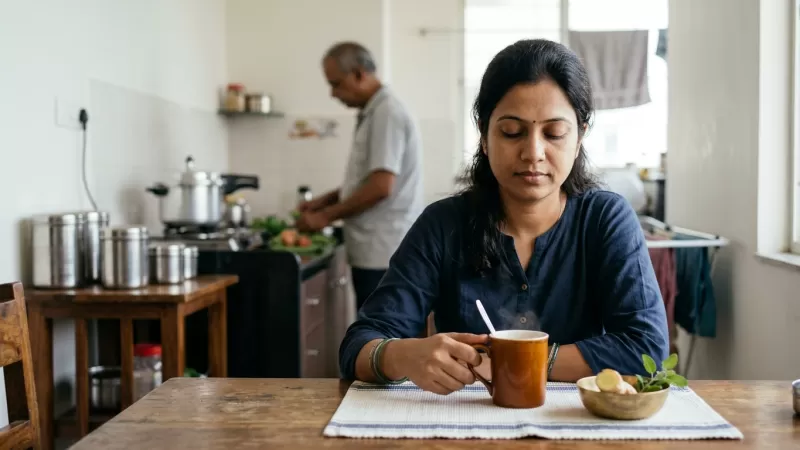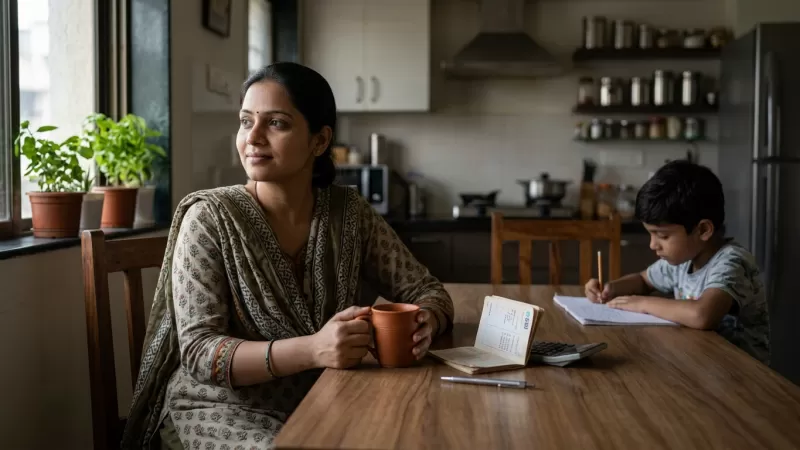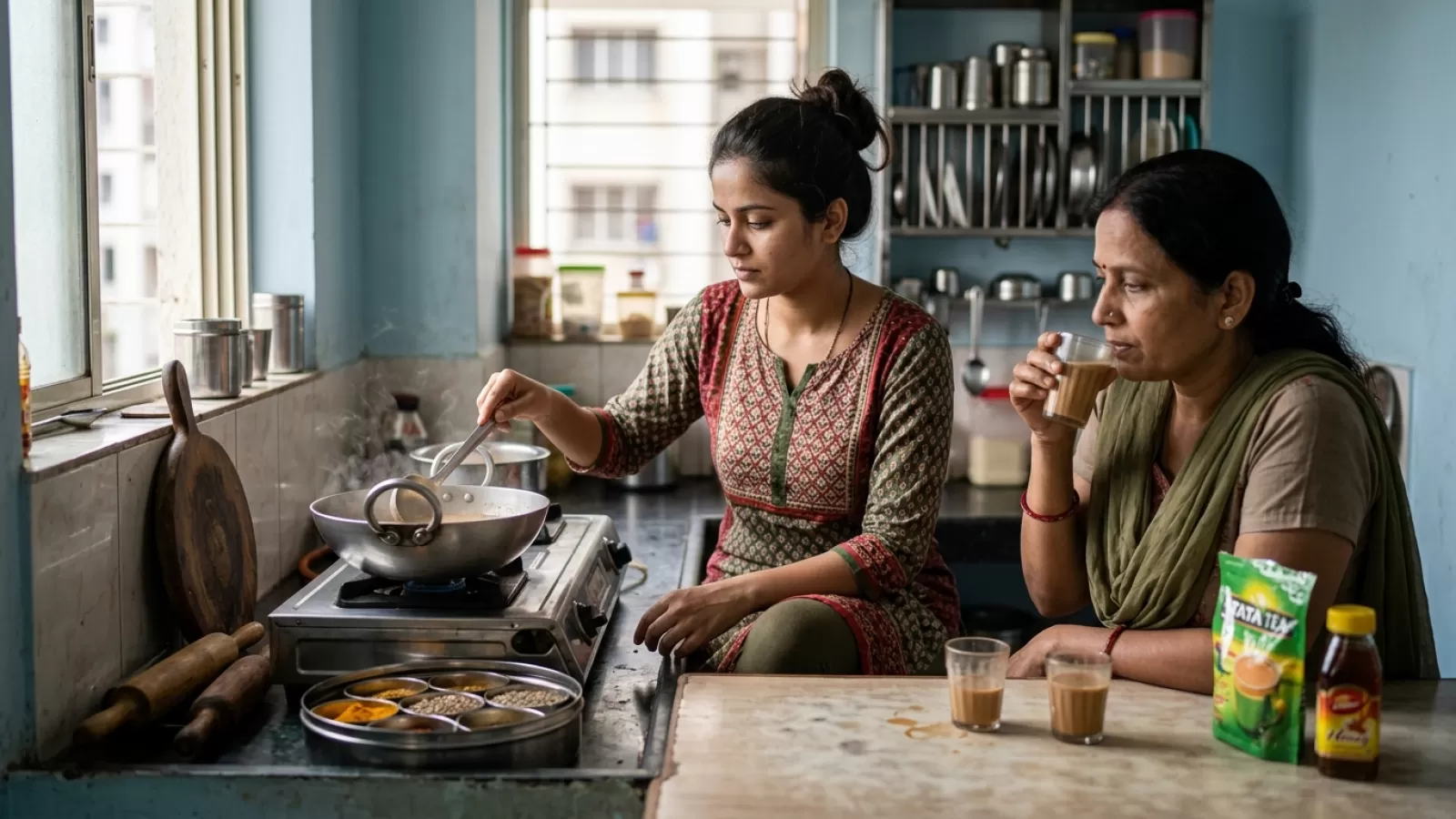
Most people in Indian homes don’t notice it right away, but little bits of tension collect in the body and mind throughout the day. From the noisy rush to pack tiffins in the morning to the endless phone calls and sudden demands from family or work, it all adds up. By the time evening comes, there’s often a heavy feeling—sometimes in your shoulders, sometimes in your thoughts. It’s not always dramatic, but it’s there. If you’ve ever found yourself snapping at someone for no big reason or lying awake even though you’re tired, you’re not alone. These days, many families quietly deal with this background stress. Luckily, there are gentle, familiar habits that can help you release this daily buildup before it spoils your evening peace.
Understanding Daily Tension: It's Not Just "In Your Head"
Tension isn't always about big worries or arguments. Often, it’s a slow build-up from simple things: running late for work, dealing with traffic, handling a cranky child, or even trying to finish chores before guests arrive. In many Indian homes, people just push through, thinking it’s normal or not important. But small stresses can pile up inside the body, showing up as headaches, stiff necks, tiredness, or even that restless feeling in your chest or stomach.
There’s nothing weak or unusual about feeling this way. You might notice it more on days when you've hardly sat down, or when relatives visit and routines get shaken up. It’s not always easy to talk about these things, but acknowledging them is the first gentle step towards letting them go.
Here’s something worth remembering: bodies and minds are connected. When your mind feels tense, your muscles tighten. When your body is tired, your mind gets foggy. The trick isn’t to ignore it, but to find simple ways to unwind both together.
Soft Habits: What Are They and Why Do They Work?
Soft habits are small, calming actions you can fit into your regular routine. They don’t require fancy equipment or a lot of time. Think of them as friendly pauses—a few minutes where you let yourself slow down, breathe, and gently reset. These habits often use everyday things: your breath, your hands, your favourite chair, or even the act of making chai.
Unlike strict routines or heavy exercise, soft habits don’t feel like another task on your list. They often blend quietly into moments you already have, like waiting for the cooker’s whistle, or sitting down after dinner. Over time, these small pauses can melt tension so it doesn’t build up and disturb your sleep or mood.
Some families find that making these soft habits a part of their day—especially after work, before dinner, or right before bed—makes a noticeable difference in how the whole house feels in the evening.
Breath Breaks: The Simplest Stress Reliever
One of the easiest ways to ease tension is to pay attention to your breathing. You don’t need to sit in a special posture or chant. Just pause wherever you are—maybe at the kitchen counter or at your office desk—and notice your breath coming in and going out.
- Try closing your eyes for just a moment, if you can, and take three slow, deep breaths, letting your shoulders drop each time you exhale.
- If you’re waiting for tea leaves to boil or for a download to finish at work, use that minute to focus on breathing rather than checking your phone.
- Some people find it calming to count their breaths—inhale for a count of four, exhale for a count of four. That’s all.
It might sound too simple, but you’d be surprised how quickly this can soften the tightness in your chest or neck. Even children and elders can try this, and it fits into almost any moment of the day.
Gentle Movement: Releasing Tension From Your Body
Sitting for long hours—at the dining table, in front of the TV, or at a computer—makes the body stiff. You’ve probably noticed that ache in your lower back or that pinch between your shoulders after a day of chores or meetings. Gentle movement, even for a few minutes, can help shake off that tension.
There’s no need for complicated exercises. Stretch your arms overhead, roll your shoulders in small circles, or twist gently from side to side while sitting. Some people like to stand up and march in place while waiting for the rice to cook. Others do a few toe touches when nobody’s watching.
- If you have knee pain, focus on simple neck rolls or wrist stretches.
- For busy evenings, try stretching right after you fold clothes or before you start the evening meal prep.
- On humid summer days, even stretching in front of the fan can feel comforting.
Here’s the catch: the goal isn’t to get sweaty or sore, but just to loosen up. Even two minutes can make a difference, especially if you do it regularly.
Warm Comforts: Soothing Stress With Familiar Touch
There’s something quietly magical about warmth. In many Indian families, people naturally reach for a cup of hot water, a soft shawl, or even a gentle back rub when stress hits. Warmth relaxes muscles and signals your body to calm down.
If you have time in the evening, try soaking your feet in a bucket of warm water for ten minutes. Add a pinch of salt if you like. This old-school habit is still around for good reason—it softens the whole body’s tension, especially after standing or walking all day.
Some people find that sipping warm milk with a pinch of turmeric, or simply wrapping themselves in a favourite blanket while watching TV, helps the mind and body wind down. It’s not fancy, but it works for many.
Don’t underestimate the power of a warm hand-hold or a gentle head massage, either. These small gestures are woven quietly into Indian homes, often without much fuss, and they carry a lot of comfort.
Evening Rituals: Creating a Calm End to the Day
How your evening unfolds can set the tone for your night’s rest. These days, with late dinners, WhatsApp messages, and endless shows on TV, it’s easy for the mind to stay busy long after the day’s work is done.
Try creating a simple evening ritual, something small that signals to your body and mind that it’s time to slow down. It could be as easy as lighting a diya, quietly sitting near a window, or listening to gentle music while you tidy up.
Some families sit together for five minutes after dinner, sharing small stories or simply being present. Others prefer watering plants on the balcony, or folding laundry with the radio on in the background.
- Pick something that feels soothing, not like another chore.
- Keep screens away for a short while during this ritual if possible.
- Try to do this around the same time each evening—consistency helps your mind settle in.
You might find the whole house feels a bit softer, calmer, after just a few days of this gentle winding-down habit.
Talking It Out: Light Conversation as a Stress Release
It’s common in Indian homes for people to bottle up small frustrations or worries, thinking they shouldn’t make a fuss. But sometimes, the simple act of talking—even about ordinary things—helps release mental tension.
You don’t have to discuss deep problems. Sometimes just sharing what irked you in traffic, or laughing about a kitchen mishap, allows that stress to leave your mind. If you live alone, even chatting with a neighbour, a friend, or a family member on the phone can help lighten the load.
On the other hand, if you’re not in the mood to talk, that’s fine too. Listening can be equally soothing—tuning in to someone else’s day or even just enjoying the hum of voices in the background can make you feel less alone with your thoughts.
There’s no one right way, but letting words flow (or even writing them down in a notebook) can soften the grip of daily tension more than most people expect.
Letting Go of Perfection: Accepting a Bit of Mess
One hidden source of stress in many Indian homes is the silent pressure to keep things perfect—spotless kitchens, on-time meals, flawless routines. Here’s a gentle truth: life is rarely perfect, and a little mess is not a failure.
Sometimes, releasing your grip on strict schedules or spotless rooms can actually reduce stress more than anything else. If you don’t finish folding all the clothes tonight, or if dinner is delayed by half an hour, it’s okay. Most of the time, nobody remembers these small slips the next day.
That said, it’s easier said than done. Old habits and family expectations can make it hard to let go. But even allowing yourself a few minutes of rest, or accepting some chaos in the evening, is a soft habit worth practicing. It gives your mind— and everyone else’s—room to breathe.
Sometimes the most peaceful homes are not the tidiest, but the ones where people feel relaxed and welcome, mess and all.
Making Soft Habits Stick: Gentle Reminders for Everyday Life
Building new habits is rarely smooth. You might forget sometimes, or feel too tired to bother. That’s normal. The secret is to make soft habits so easy and familiar that they slip into your day without much effort.
- Pair your soft habit with something you already do—like stretching after washing dishes or taking a breath break before your evening tea.
- Ask family members to join you. Children, elders, and spouses often enjoy these quiet moments together, especially if there’s no pressure.
- Keep reminders around—maybe a sticky note on the fridge, or an alarm on your phone at your usual break time.
Don’t worry about doing it perfectly. Even a few minutes of these gentle pauses, scattered through your day, can slowly release the tension that builds up. With time, you might notice your evenings start to feel lighter, your sleep deeper, and your mood a little brighter.
Soft habits aren’t a magic fix, but they’re something you can always return to. And that makes all the difference.