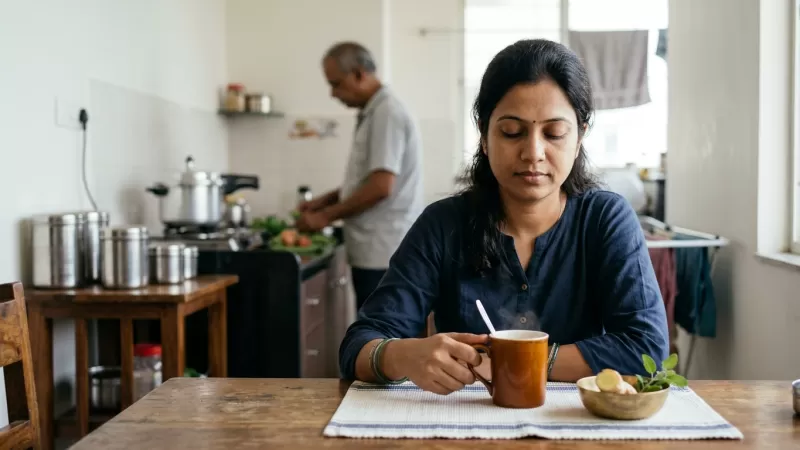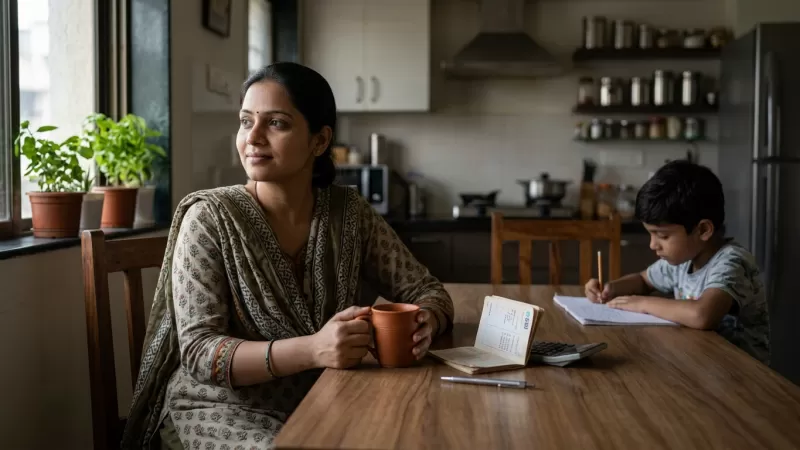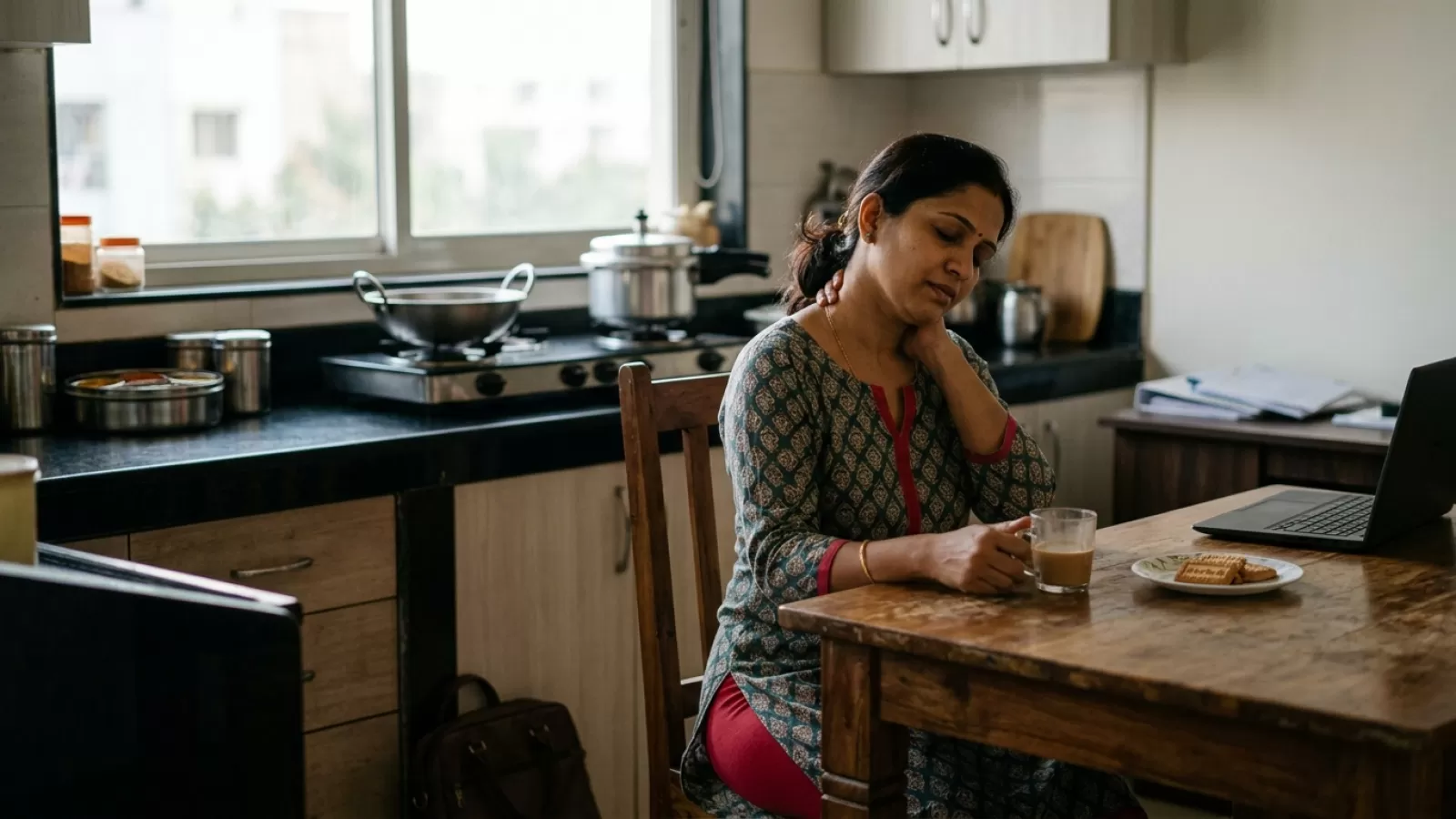
Most of us carry a little extra tension after a regular day—whether it’s from rushing through morning chores, sitting through endless Zoom calls, or simply managing the steady trickle of small tasks that fill a typical Indian household. You finish your work or errands, settle down in the evening, and yet, there’s this lingering tightness in your neck or a heaviness in your chest that just won’t go away. It’s surprisingly common, though not always openly talked about. The good news is, with a few gentle home practices, you can help your mind and body truly unwind—without needing fancy equipment or extra hours you probably don’t have.
Understanding Lingering Stress After Daily Work
It’s easy to mistake being "done" with tasks for being relaxed. But in many homes, the stress from daily work doesn’t disappear the moment you put your bag down or close your laptop. Instead, it kind of hangs around—sometimes as a dull ache, sometimes as irritability, or just a restless feeling in the evening.
Our bodies don’t always switch off as quickly as we expect. The mind, too, can keep replaying work worries or tomorrow’s to-do list, especially when you finally sit down after a busy day. It’s not unusual for this leftover tension to disturb sleep or make you snap at small things.
Recognizing this is the first step. You’re not alone, and you’re not doing anything wrong if you feel a bit wound up even after your work is finished.
Why Simple Home Practices Make a Difference
Some people imagine stress relief needs big changes—yoga retreats, long walks in parks, or a new set of habits. But honestly, most Indian families are looking for ways to fit relaxation into the existing rhythm of home life. After all, it’s not easy to find private space or extra time when you live with family (or even alone, with all those chores stacking up).
Gentle release practices work best when they’re simple and familiar. Things you can do while waiting for the dal to boil, folding laundry, or even while watching TV with the family. It’s not about dramatic transformation. It’s small, steady signals to your body and mind that it’s safe to let go.
Here’s something that helps: the more these practices fit into your current routine, the more likely you are to actually stick with them.
Breathing Practices You Can Do Anywhere
You’ve probably heard about breathing exercises before. The tricky part is remembering to do them, or knowing which ones actually help in real life. In Indian homes, with so much happening around, it’s best to keep it as simple as possible.
- 2-Minute Deep Breathing: Sit comfortably—on your bed, the floor, or even your kitchen stool. Inhale slowly through your nose for a count of four, hold for a moment, then exhale through your mouth for six counts. Repeat five times. It’s gentle and can be surprisingly effective.
- Shoulder Release with Breath: While sitting or standing, as you inhale, lift your shoulders up towards your ears. Hold for a second, then exhale and let them drop. Do this 3–4 times. You might notice a little melting of tension in your neck and upper back.
- Evening Cool-Down: If you’re sitting on the balcony or terrace, try slow, relaxed breathing with your eyes closed for a few minutes. The evening air, especially after a hot day, can make this feel extra soothing.
No need to overthink. The main thing is to slow down your breath and give your body a chance to reset, even in short bursts.
Gentle Movement for Stiffness and Restlessness
After a long day—especially if you’ve been sitting at a desk or standing in the kitchen—your body can feel stiff or oddly restless. Movement doesn’t have to mean a full workout. In many families, a little stretching or mindful movement right at home can help loosen up lingering tension.
- Neck Rolls: Gently roll your head in a slow circle, once clockwise and once anticlockwise. Do this sitting or standing, whenever you notice stiffness.
- Wrist and Ankle Circles: Sitting on the sofa, make small circles with your wrists and ankles. It’s simple, but it often helps release subtle tightness from typing or standing.
- Evening Walk Indoors: Some people quietly pace in their room or along the hallway after dinner. Even five minutes of slow walking can help the body unwind.
The main thing is not to push hard. These movements aren’t about burning calories—they’re really just gentle signals to your muscles that it’s safe to soften.
Creating Small Evening Rituals for Calm
Here’s the catch: habits stick better when they’re tied to everyday actions. You might notice how lighting a diya or having chai after work can create a sense of pause. Small rituals, no matter how simple, help the mind transition from "work mode" to "home mode."
Some practical evening rituals to consider:
- Changing Clothes: Changing into comfortable home clothes after work or chores sends a clear signal that the busy part of the day is over.
- Hand or Face Wash: Washing your hands and face with cool water can feel surprisingly refreshing—almost like washing away the day’s stress.
- Lighting a Lamp or Incense: Many families light a lamp or incense stick at dusk. The soft glow and familiar scent often soothe frazzled nerves.
- Brief Family Check-In: Sitting together—even for just five minutes—to share something good or funny about the day can shift the mood in the house, making everyone feel lighter.
These aren’t magic solutions, but over time, they add a gentle rhythm of calm to your evenings.
Making Space for Quiet, Even in a Busy Home
Finding quiet in an Indian household isn’t always easy. TVs running, pressure cookers whistling, phones ringing—there’s rarely total silence. That said, you don’t need perfect peace to relax. Sometimes, a few minutes of partial quiet can be enough.
Consider these approaches:
- Use Headphones: Soft instrumental music or nature sounds (like rain or birds) can help mask background noise and create a sense of your own space.
- Early or Late Quiet: Some people find a few minutes of silence early in the morning, or after others have gone to bed. If you can, take that time for yourself—no guilt.
- Close Your Eyes: Even with noise around, closing your eyes for a few moments and taking slow breaths can give a surprising sense of rest.
You don’t have to force silence. Just notice moments when things are a little calmer, and use them for yourself.
Letting Go of Perfection in Home Routines
Many families quietly deal with the pressure to keep everything running perfectly—meals on time, spotless floors, everyone happy all the time. The truth is, this kind of pressure itself breeds tension. If you’re feeling stressed because you didn’t tick off every item on your list, you’re not alone.
Here’s a gentle opinion: It’s okay if some things wait till tomorrow. The kitchen can be a little messy sometimes. Not every meal needs to be elaborate. Allowing yourself (and your family) a little flexibility can go a long way in softening daily stress.
Maybe tonight’s dal is a bit thin, or the laundry isn’t perfectly folded. Let it be. The world won’t stop, and your body will thank you for the break.
Connecting With Others (or With Yourself) for Emotional Relief
After a long workday, emotional tension can linger—sometimes as a sense of loneliness, sometimes as irritation or just tiredness that feels deeper than physical. Connecting with others, even briefly, can help. But it’s just as valid to enjoy your own company if that feels right.
- Light Conversation: Sharing a joke or a small story with family or friends (even over WhatsApp) can lift the mood, without needing deep talks.
- Solo Time: If you’re someone who feels recharged by quiet, don’t feel guilty for taking a few minutes alone with a book or even just staring out the window.
- Pets and Plants: Tending to a pet or watering your plants can be oddly grounding—these small acts remind you there’s life outside work worries.
What matters is noticing what actually helps you feel a little lighter, and making space for that, even in tiny doses.
Final Thoughts: Be Gentle With Yourself
Letting go of lingering tension after a busy day isn’t about doing everything right or adding more to your plate. It’s about giving yourself small chances to feel at ease, right where you are. Some evenings will go smoothly, others might feel chaotic. That’s just life in most Indian homes.
If you notice your body relaxing a bit more, or your mood lifting—even for a few minutes—that’s a good sign. Over time, these gentle practices help build a sense of calm that fits naturally into your home and your life.
Everyone deserves a little peace at the end of the day. Including you.