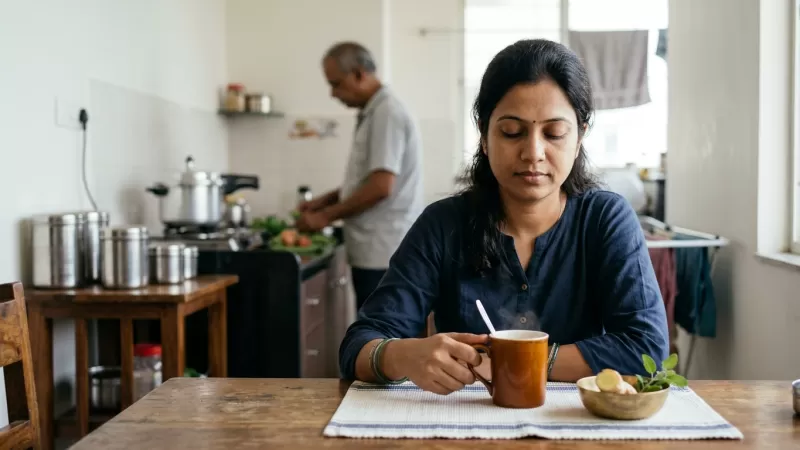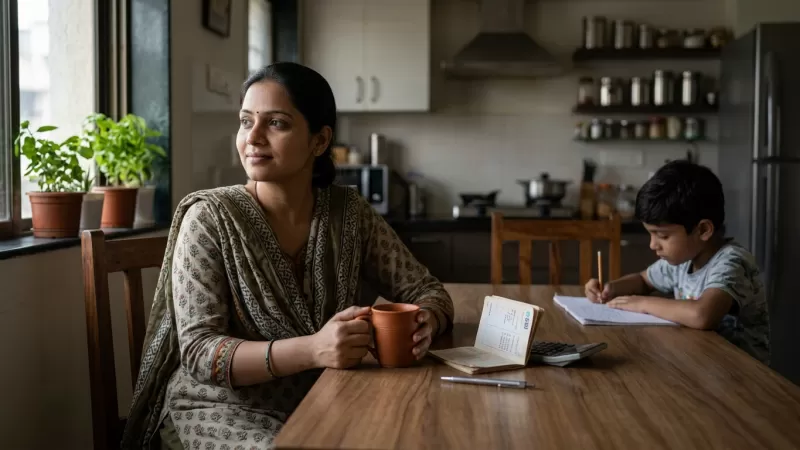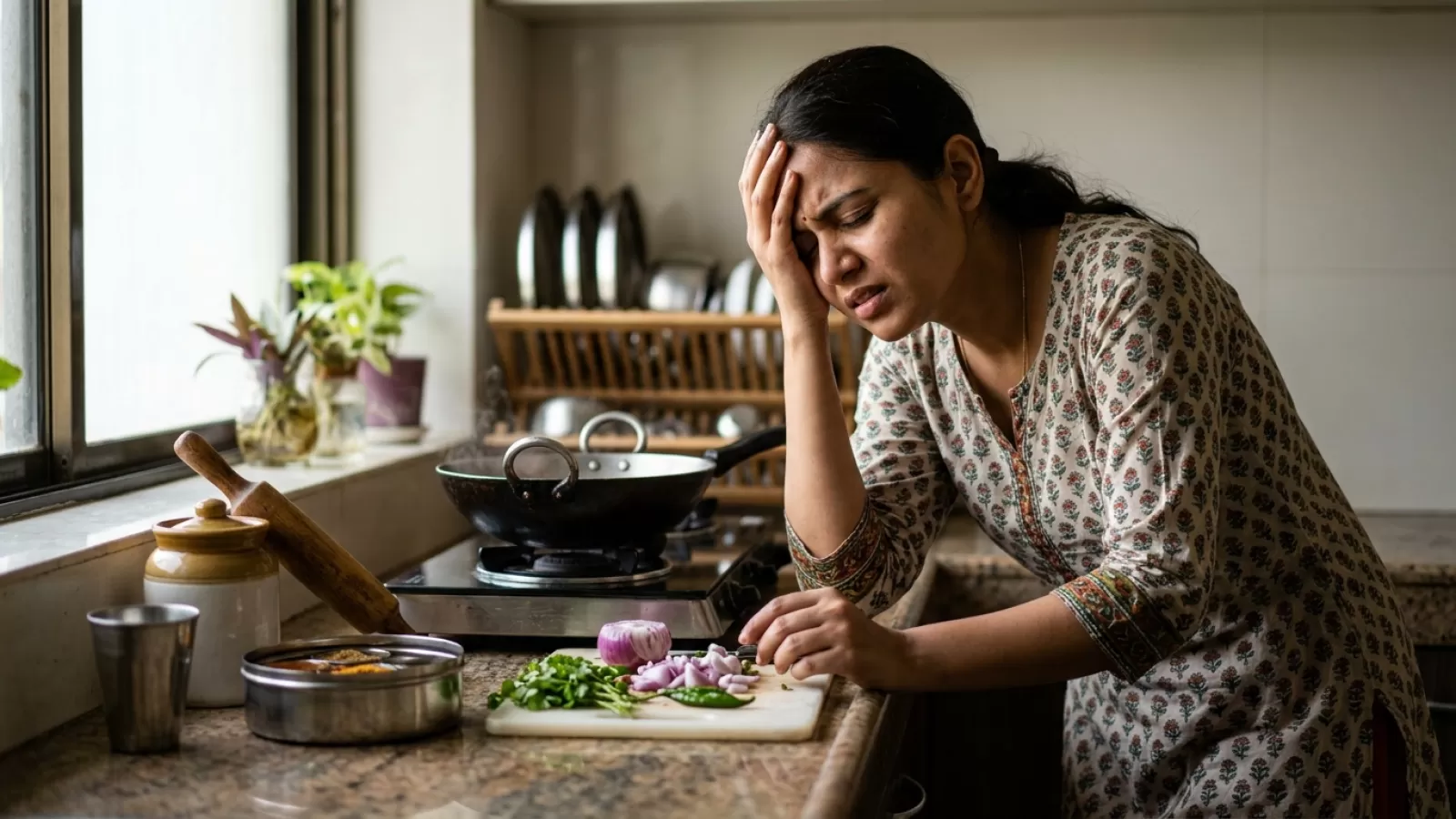
Stress arrives without warning. Sometimes, it catches you off guard—maybe during a heated family discussion, a tough morning with the kids, or just as you’re about to start an important video call for work. In these moments, your heart pounds, your thoughts race, and suddenly, you feel far from calm. This kind of sudden stress is part of modern Indian life—whether you live in a busy city flat or a quieter town. But here’s something many families don’t realise: even in the middle of a hectic day, simple breathing awareness can help you find steadiness and feel a little more anchored.
Why Does Sudden Stress Feel So Overwhelming?
It’s no secret that stress can shake you up, but sudden stress—like an argument, urgent work call, or an unexpected bill—often feels much worse because it happens so quickly. Your mind and body barely have time to react sensibly. In these situations, your body shifts into a sort of emergency mode. You might notice your breath becoming shallow, or even holding your breath without realising it.
It’s not always easy to snap out of this. Many people quietly deal with these feelings, especially at home, not wanting to upset others. But ignoring stress doesn’t really make it disappear. It might just pile up and show itself later as headaches, irritability, or tiredness.
There’s no need to feel guilty about feeling stressed. It’s normal. In fact, almost everyone in a typical Indian home has had moments when they just want to step away and breathe.
Breathing: Your Pocket Tool for Calming Down
In the middle of chaos, it’s easy to forget about your breath. But here’s the catch: breathing is one of the few things you can control, even when everything else feels out of hand. Unlike fancy stress gadgets or time-consuming routines, you always have your breath with you—whether you’re in the kitchen, on your commute, or lying awake late at night.
Simple breathing awareness doesn’t mean complicated yoga or strict pranayama. It just means paying gentle attention to your breath for a few moments. Many grandmothers used to say, “Bas, ek gehri saans le lo” (Just take a deep breath). Turns out, that’s actually very practical advice.
You don’t need a quiet room, special cushion, or even much time. Even a minute or two can help you collect yourself before you speak, decide, or react.
How Does Breathing Calm the Mind?
When you’re anxious, your breathing usually becomes faster and shallower. This tells your body there’s danger, even if the “danger” is just an overflowing pressure cooker or your boss’s WhatsApp message. By slowing down and deepening your breath, you send a signal to your body that things are actually okay—or at least, manageable.
This doesn’t magically erase your worries. But it often helps your heart rate settle, your mind clear a little, and your reactions become less sharp. You’re more likely to respond thoughtfully, rather than snapping or freezing up.
It’s a small, quiet shift. Yet over time, many people find that this makes a noticeable difference in how they handle daily stressors—big and small.
Three Simple Breathing Techniques for Sudden Stress
There are many ways to become aware of your breath, but let’s keep it really easy. You can try any of these whenever you need to feel a bit steadier:
- The 4-4 Breathing: Breathe in for a count of 4. Pause briefly. Breathe out for a count of 4. Repeat this 5-6 times. You can do this while sitting at your desk, waiting for your tea to boil, or even in the bathroom if you need a private moment.
- Hand on Chest Breathing: Place your hand gently on your chest or stomach. As you breathe in, feel your hand rise. As you breathe out, feel it fall. This small physical touch can help bring your mind back from racing thoughts.
- Counting Breaths: Just count each breath out loud or silently—one, two, three, up to five. Then start again. If your mind wanders, that’s alright. Just come back to the counting when you remember.
None of these need you to close your eyes, sit cross-legged, or look “spiritual.” They’re just small ways to anchor yourself, especially when you feel like you’re losing your grip.
Fitting It Into Your Day (Even When You’re Really Busy)
Most people think they don’t have time for calming techniques, especially during work rushes, getting children ready, or handling evening chores. But these breathing pauses are meant to fit into your real routine—not interrupt it. You can try them:
- Before picking up the phone when you see a stressful caller ID.
- While stirring dal or waiting for the pressure cooker’s whistle to settle.
- After a tense conversation, just sitting quietly for a minute.
- During traffic jams, instead of getting frustrated at the horns and chaos.
Some days, you might not remember to do this at all. That’s fine too. The idea isn’t to be perfect, just to have a small tool you can reach for when things feel out of control.
What If It Feels Silly or Useless?
Honestly, sitting and breathing slowly can feel strange at first. You might wonder, “Is this really helping?” In Indian homes, there’s sometimes a quiet skepticism about these things—especially if you’re used to pushing through stress without pausing.
But here’s a gentle thought: even if it feels odd, giving yourself permission to take a few breaths is a sign of self-respect, not weakness. You’re not running away from your duties. You’re just choosing to pause so you can handle them better.
It may not fix every problem, but it often gives you a little more energy and clarity to deal with them. Over time, you might notice you’re less reactive, or that small annoyances don’t stick to you as much.
Helping Family Members (Without Forcing It)
Sometimes, you’ll notice your partner, parent, or child getting overwhelmed. You might feel helpless, unsure how to support them. It’s tempting to say, “Just calm down” or “Do some breathing,” but that can sound dismissive.
Instead, you could try making space for them: offer a glass of water, suggest sitting together quietly, or simply breathe slowly yourself. Children, especially, learn by watching. If you pause to breathe after a stressful moment, they may pick it up naturally.
In many homes, just normalising these small pauses can make a difference. It sends the message that it’s okay to feel stressed, and that simple, practical steps can help.
When Breathing Isn’t Enough
Some days, no matter how much you try, stress just feels too heavy. That happens. Breathing techniques are helpful, but they’re not magic. If sadness, worry, or anger keeps coming back, it’s perfectly alright to talk to someone you trust or seek help from a professional.
There’s no shame in needing more support. Many families quietly deal with stress for years before reaching out. Just remember: you’re not alone, and you’re not expected to handle everything on your own.
But on most days, for many people, a few calm breaths can create a small pocket of steadiness—enough to keep going, even when life gets difficult.