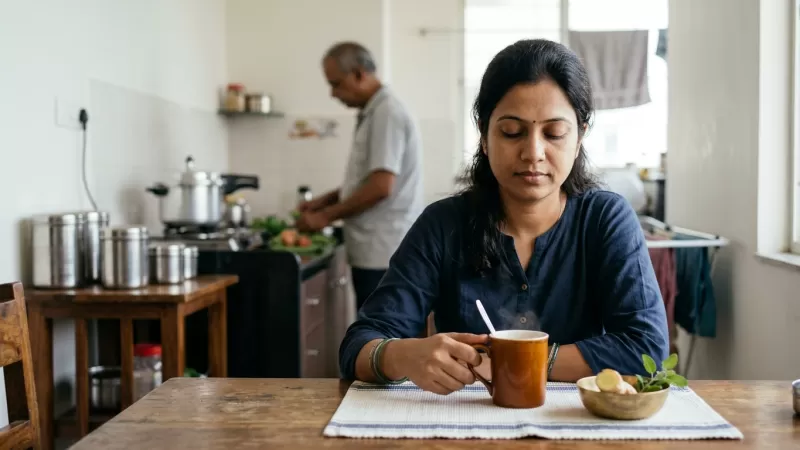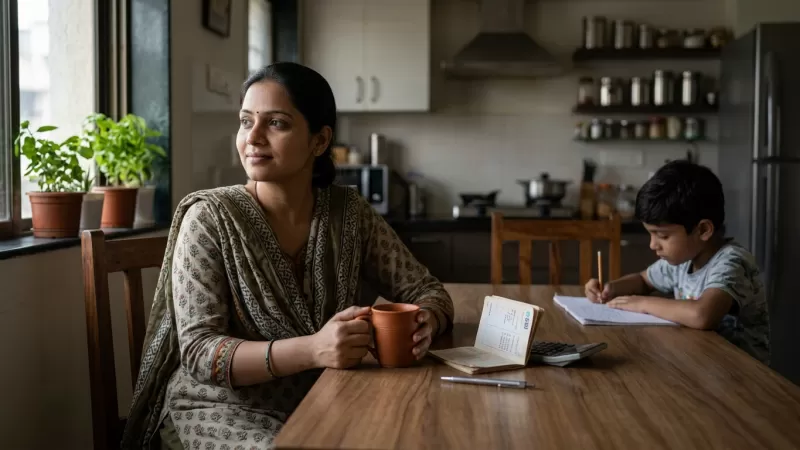
Evenings in many Indian homes are supposed to be peaceful, with the day’s work behind you and family gathering for dinner or a bit of television. Yet, even in these quieter hours, there’s often a quiet, persistent tension that lingers. Maybe it’s from work emails that keep pinging, or perhaps it’s the mind running through tomorrow’s to-do list. Some days, even the silence can feel heavy. The good news is, there are gentle ways to become more aware of this stress and allow it to settle, rather than letting it build up unnoticed.
Recognizing the Hidden Stress of Evenings
It’s easy to think that once the dinner plates are cleared and the house quiets down, the pressure of the day is over. In reality, many people find that tension sticks around, just in a quieter way. Maybe you’ve noticed your shoulders remain tight, or your mind keeps circling back to an argument, a bill to pay, or some unfinished work. This is quite common in Indian households, especially when everyone’s schedules run late and true downtime is rare.
What’s tricky is that evening stress isn’t always loud. It doesn’t always look like shouting or visible panic. More often, it’s a subtle unease—a restlessness while scrolling your phone, or that sigh as you finally sit down. In joint families, there might be the hum of many small worries, while in smaller homes, it could be the loneliness of an empty room after a busy day.
Recognizing that this kind of stress exists is the first step. It’s not a failure to feel it. If anything, it’s just a part of modern life, especially in cities where the day never truly ends.
Simple Awareness: Noticing Without Judging
Most of us are used to pushing through stress, especially when there’s always something left to do—packing tiffin for tomorrow, folding laundry, or making a quick call to a relative. But sometimes, just pausing for a moment to notice how you’re feeling can help your body and mind start to settle on their own.
Awareness doesn’t mean you need to sit cross-legged and meditate (unless you want to). It’s more about pausing, wherever you are, and gently becoming aware of what’s happening inside you. Are your hands clenched? Is your breathing shallow? Are you replaying a conversation in your head?
This kind of noticing tends to work best when you don’t scold yourself for feeling tense. Instead, try to accept it, just for a minute, as something natural. You might even find that naming your feeling—“I’m a bit anxious” or “I’m tired”—allows it to soften a little.
Evening Routines That Gently Lower Tension
In many Indian households, evening routines are already a quiet anchor—the familiar sound of pressure cookers, the smell of tadka, the soft hum of news or serials on TV. These small rituals can be a wonderful backdrop for letting stress settle, especially when you do them with a bit more awareness.
Here are a few ways to weave gentle awareness into your existing routines:
- While making chai or heating up milk, take a slow breath and notice the warmth in your hands.
- As you wash the last few dishes, pay attention to the sound of running water or the feeling of soap bubbles, just for a few seconds.
- If you light a diya or incense, watch the flame or the curl of smoke—there’s something quietly soothing about this.
- When you set the dinner table or fold clothes, try to do it without rushing. Sometimes, the simple act of moving a little slower allows your mind to catch up and unwind.
These aren’t magic solutions, but over time, they can help your body recognize that it’s safe to relax, at least for a while.
Making Space for Quiet Moments (Even When the House is Full)
If you live in a joint family or a busy home, finding a truly quiet moment can feel impossible. Children’s homework, TV noise, or someone on a phone call—it all blends into the evening chaos. That said, it’s usually possible to find tiny pockets of calm if you look for them.
Some families develop small signals—a closed door, a dimmed light, or a cup of tea sipped alone by the window—that let everyone know someone needs a little breathing room. If that’s not possible, even a few minutes in the balcony or staircase can offer a pause.
What matters isn’t the size of the break, but the intention. If you can, let yourself simply be for a minute, without worrying about what’s next. Many people quietly crave these pauses, even if they don’t talk about it.
Gentle Movement for Body and Breath
After a day of sitting at a desk or running around, your body often holds onto stress, even if your mind is ready to rest. You don’t need a fancy yoga mat or a strict routine. Just a few simple stretches or slow movements can help.
- Try rolling your shoulders back and forth while you’re waiting for the rice to cook.
- Stand and gently twist side to side, noticing your breath as you move.
- If you’re able, a slow walk around your home or even up and down the corridor can release a surprising amount of tension.
- Some people like to combine this with music—a favourite old song, or even a bhajan, playing softly in the background.
The key is to keep it gentle. There’s no need to break a sweat or push yourself. The idea is to let your body unwind, bit by bit, so that stress has somewhere to go.
Creating a Calming Atmosphere with Simple Touches
Sometimes, the little things in your environment can either add to your stress or help you let go of it. Harsh tube lights, cluttered tables, or loud TV can make evenings feel more draining. On the other hand, dimming the lights, lighting a scented candle, or playing soft music often makes a difference.
You don’t need to spend money. Even just keeping your favourite corner tidy, opening a window for fresh air, or changing into soft, comfortable clothes can shift the mood. In some homes, people like to sprinkle a bit of rose water, or keep a small bowl of tulsi leaves nearby—these small traditional touches can bring a sense of comfort and familiarity.
Of course, not every evening will be picture-perfect. Some days, the house will be messy, the fan will rattle, and the TV will be too loud. That’s alright. Even on these days, a small effort to create a calming atmosphere can help, even if it’s just for a few minutes.
Letting Go of the Day: Small Mental Practices
One of the hardest parts of evening stress is how the mind clings to the day’s worries. Thoughts about work, family, or news can replay endlessly. Here’s the catch: trying to force yourself to “think positive” or “just relax” often backfires and makes you feel worse.
Instead, some people find it helps to gently acknowledge their worries. Mentally say, “I had a tough day,” or “I’m still worried about this thing,” and then remind yourself that it’s okay to put it down for a while. You can pick it up again tomorrow, if needed.
Other gentle practices include:
- Writing down your main worry on a notepad, then closing the book for the night.
- Mentally listing three things you’re grateful for—like a good meal, a phone call, or simply making it through the day.
- Visualising your stress as a heavy bag, and picturing yourself setting it down as you prepare for bed.
None of these need to take long. The main thing is to give yourself permission to let go, even if it’s just for the night.
Involving Family: Quiet Support Without Pressure
Many families in India are used to sharing everything, but when it comes to stress, people often keep things to themselves. You might feel like you shouldn’t bother others, or you worry about being judged. But sometimes, a little quiet support can go a long way.
This doesn’t mean having long, heavy conversations every evening. It could be something as simple as sitting together in silence for a few minutes, watching a favourite show, or sharing a small snack. These shared moments can be surprisingly soothing, especially when there’s no pressure to talk or fix anything.
Sometimes, family members will notice you’re tense and offer help—a cup of tea, a gentle word, or just a hand on your shoulder. Accepting these small gestures, and offering them in return, can help everyone in the house feel a little lighter.
And if you live alone, reaching out with a quick phone call or message, even if you don’t talk about your stress, can bring a sense of connection that softens the load.
Accepting Imperfect Evenings
Not every evening will be peaceful, no matter how many awareness practices you try. There will be late meetings, power cuts, cranky children, or days when your mind just won’t quiet down. That’s normal. Stress isn’t something to get rid of completely—it’s just a part of life, especially in today’s busy world.
The gentle goal isn’t to create perfect calm, but to notice when you’re carrying tension and offer yourself a bit of understanding. Over time, these small, practical habits can help the stress of quiet evenings settle, even if just a little bit.
After all, most families don’t need a grand solution—just a bit of peace at the end of the day, in whatever way feels possible in their own home.