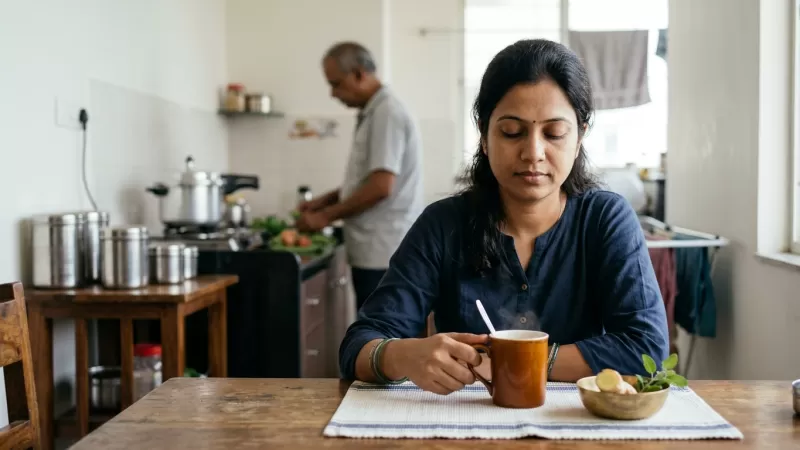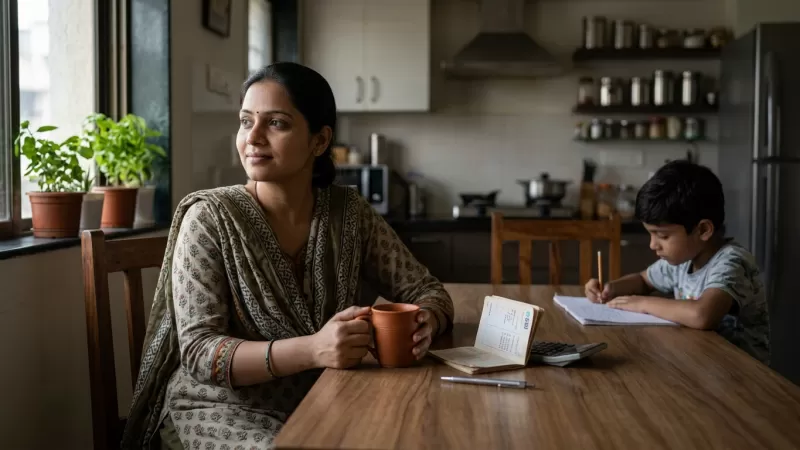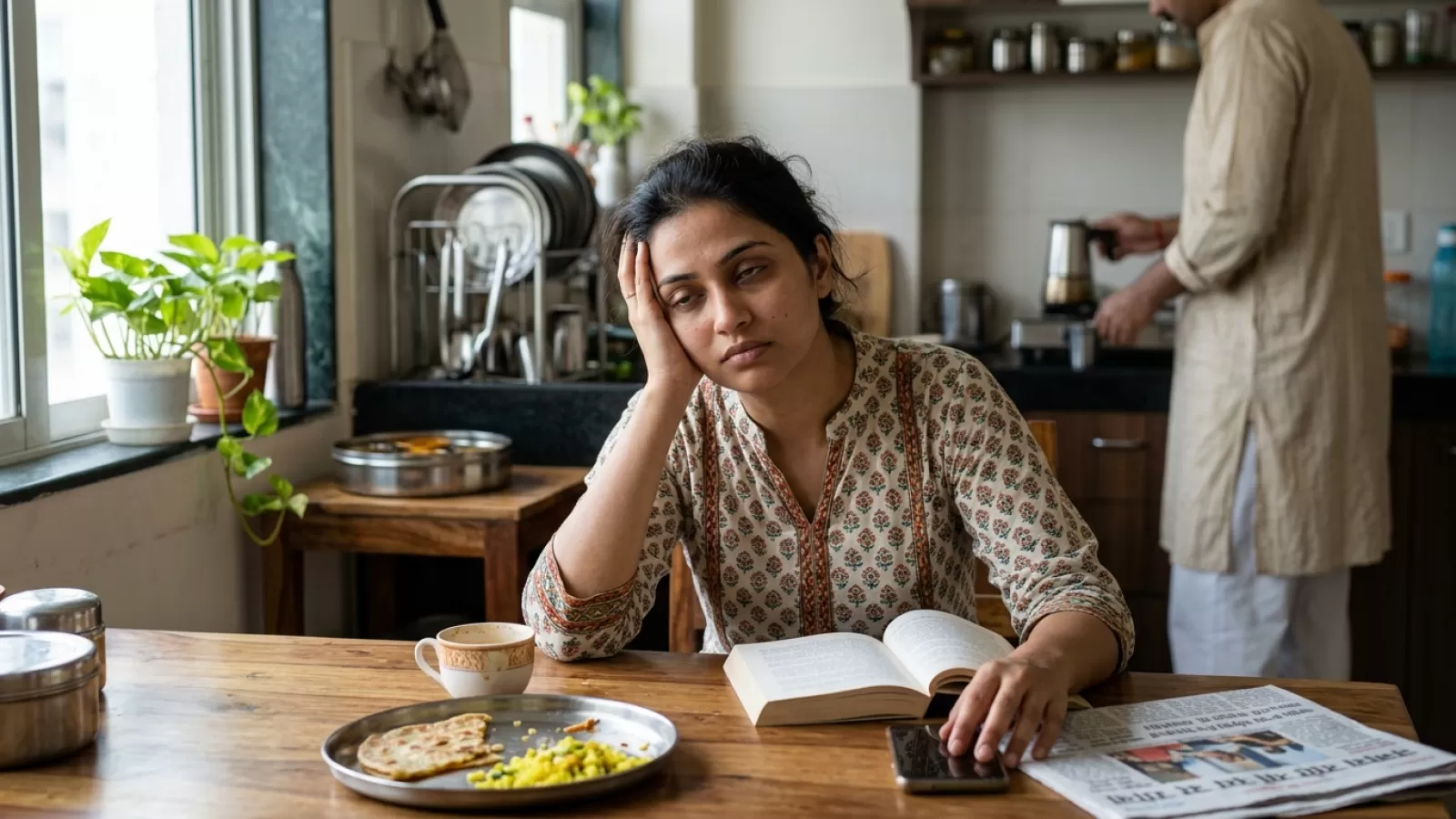
It’s a feeling many people know but struggle to explain. You go to bed on time, you sleep in on weekends, maybe even squeeze in a daytime nap—yet you wake up groggy, drag yourself through the day, and by evening, you’re just as tired as before. In Indian homes, this is so common that it’s almost expected, especially after a busy week. But when even extra sleep and rest don’t seem to help, it can feel frustrating and worrying. Let’s quietly look at why this happens, and some gentle, practical ways to support real recovery—without turning your life upside down.
Why Physical Rest Doesn’t Always Work
On the surface, it sounds simple: if you’re tired, sleep more. But these days, tiredness is rarely just about the body. Many families notice that even after a full night’s sleep, someone still wakes up feeling heavy or dull. The truth is, our nervous systems carry all sorts of burdens—mental, emotional, and even digital overload—that don’t always respond to a soft mattress and a closed door.
When your mind is busy or stressed (from work, family, or just the noise of daily life), your body might be lying down, but inside, you’re still running. This is why, for many, physical rest (like sleeping in till 10 am on a Sunday) doesn’t always bring that refreshed feeling you hope for. It’s not laziness—it’s just that real recovery is more complicated than it used to be.
So if you often think, “I slept, but I’m still tired,” you’re not alone. It’s happening in many homes, across all ages.
The Hidden Ways Stress Creeps In
In Indian life, stress doesn’t always look dramatic. It’s the pressure to finish office work before dinner, the sound of traffic outside your window, the endless WhatsApp pings, and the small worries about children, parents, or bills. Even when you’re not thinking about them, your body holds onto these things.
Here’s the catch: Your nervous system can’t always tell the difference between a real emergency and daily tension. So, even as you rest, your body is quietly bracing itself—ready for the next demand. This is why, sometimes, lying on the sofa all weekend doesn’t fix that deep exhaustion. It’s not your fault. It’s just how our bodies work.
- Too much screen time (TV, mobile, laptop) before bed can keep your mind alert, making rest less deep.
- Constant background worries—like health, money, or family—can make your sleep lighter and less satisfying.
- Lack of natural breaks—going from work to chores to family calls—means your body never really gets to pause.
Understanding the Different Kinds of Rest
Many people think of rest as just “not moving,” but there are actually different kinds. Physical rest is what most of us focus on, but emotional, mental, and even sensory rest are just as important. In today’s world—especially in India, with its noise, heat, and busy homes—these other types are easy to miss.
For example, a day spent scrolling social media or watching TV might seem restful, but your eyes and brain are still working hard. Likewise, sitting quietly while worrying about something doesn’t give your mind a break. And if you’re always surrounded by noise (TV, traffic, relatives chatting), your senses are never truly at ease.
So, if you’re still tired after "resting," it might be a sign that you need a different kind of pause. A gentle walk in a park, a few minutes of silence, or even just closing your eyes for a bit without any screens can sometimes do more than an extra hour in bed.
Simple, Everyday Ways to Support Real Recovery
The good news is, you don’t need fancy gadgets or complicated routines. Many small, familiar things can help your system recover—if you do them with a bit of intention. It’s about adding small pauses and changes, not a complete lifestyle overhaul. Here are a few ideas that tend to work in Indian households:
- Short Breaks Between Activities: After finishing office work or house chores, try sitting quietly for 5–10 minutes—no phone, no TV. Just let your mind wander.
- Gentle Movement: A slow stroll on your terrace, a few gentle stretches, or even sweeping the floor can release tension better than lying down for hours.
- Reduce Sensory Overload: Lower the TV volume, eat one meal in silence, or dim the lights for a while in the evening. Small changes can quickly calm your senses.
- Connect With Nature: Watering plants, looking at greenery outside your window, or feeling the evening breeze can be surprisingly restful for your mind.
None of these need extra time or money. It’s more a shift in how you approach your daily routine.
The Role of Food and Hydration
Food plays a quiet but powerful part in how rested you feel. In many Indian homes, there’s a habit of eating late dinners or having heavy, spicy meals at night. While delicious, these can sometimes leave you feeling sluggish the next day. That said, there’s no need for fancy diets or giving up your favorites.
Instead, try making small tweaks. Having your dinner a bit earlier (even by 30 minutes), choosing lighter dal-rice or khichdi some nights, and drinking enough water—especially in summer—can make a noticeable difference. Many families quietly deal with mild dehydration, especially on busy days when chai or coffee replaces water. This can add to tiredness, but is easy to overlook.
- Keep a bottle of water nearby during work-from-home days.
- Include a simple salad or fresh fruit, even in small amounts, with your usual meal.
- Avoid very spicy or oily food close to bedtime, as it can disturb sleep quality.
These are gentle changes—nothing drastic. The aim is to support your body’s recovery, not to create new stress about “eating right.”
Social Rest: Taking a Break From People (Even Loved Ones)
Here’s something not often talked about in Indian families: Sometimes, even being around people you love can be tiring, especially if you never get a few minutes alone. Joint families, festivals, and constant visitors often mean the house is always buzzing.
It’s okay to want a little time by yourself. You don’t have to feel guilty. Even a short cup of chai on the balcony, a quiet moment in your room, or listening to music with your headphones can help recharge your mind. Social rest doesn’t mean avoiding everyone; it just means giving yourself permission to pause from constant interaction.
Especially after major festivals or family events, it’s normal to feel a bit worn out—no matter how much fun you had. Allowing yourself a day or two to slow down can make a big difference.
Rethinking the Role of Screens
These days, screens are everywhere—TV for news, phones for WhatsApp, laptops for work, and sometimes all at once. It’s natural to use them to unwind, but too much can leave you feeling oddly restless, even if you’re just “relaxing.”
Many people notice that after a long evening watching TV or scrolling, they’re more tired the next morning. The tricky part is, screens can trick your brain into thinking you’ve rested, but actually, you haven’t switched off. If you’re curious, try a screen-free hour before bed, or keep your phone away during meals. The difference is subtle but real.
Again, this isn’t about strict rules. It’s more about noticing how you feel, and gently choosing something else—a book, a chat, or just sitting quietly—when you want deeper rest.
When Should You Worry?
Most of the time, persistent tiredness is just your body’s way of asking for a little extra care. But sometimes, it can be a sign of something more serious. If you find that you’re constantly exhausted for weeks, can’t function at work or home, or have other symptoms like pain, fever, or weight changes, it’s wise to check with a doctor. Don’t try to ignore it or “push through.”
In most families, though, it’s just the ups and downs of a busy, modern life. Tiredness that lingers after weekends or holidays is usually a sign to slow down and add a bit of real rest—not just sleep—into your routine.
It’s not about being lazy or weak. It’s just human.
Treating Yourself With Patience
It’s natural to feel frustrated when more sleep doesn’t fix your tiredness. You might blame yourself or wonder if you’re doing something wrong. But these days, almost everyone feels this way at some point—especially with work, family, and the constant buzz of daily life.
Try to treat yourself with the same kindness you’d offer a loved one. Rest isn’t just about the body; it’s about the mind and heart, too. A little patience, a few small changes, and a gentle approach to daily routines can slowly help you feel more like yourself again.
And remember—sometimes, just knowing you’re not alone is a form of rest in itself.