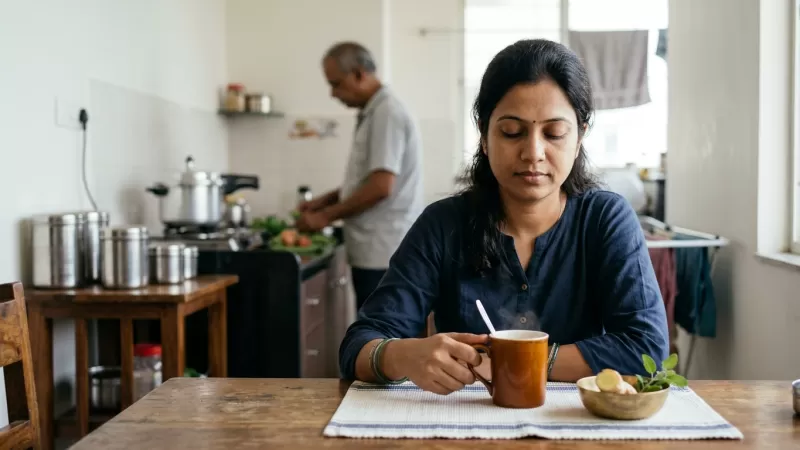
Some days, you might feel like you’ve been in a whirlwind of conversations, meetings, and family demands – the kind of social busyness that leaves your mind buzzing even after things finally quiet down. Maybe it’s a big family gathering, a work event, or simply a long string of phone calls and WhatsApp messages. In many Indian homes, these “people-heavy” days aren’t rare. Still, that heavy, lingering stress after social demands can quietly drain your energy and make it hard to find a true sense of calm.
Recognizing Social Exhaustion in Everyday Life
It’s easy to miss the signs of social tiredness because, in most Indian households, being around people is normal – even expected. After a day full of guests, noisy markets, or back-to-back office calls, you might notice you’re irritable, your head feels heavy, or you can’t focus on simple tasks like chopping vegetables or folding laundry. Sometimes, you just want to sit in silence but feel guilty for needing it.
In joint families or busy flats, finding total privacy isn’t always possible. You might even feel bad for wanting some space, especially after festivals or long days of hosting relatives. It’s a quiet struggle many families deal with, though no one talks about it much.
Here’s the thing: you’re not alone if you feel this way. Social tiredness is real, even if it doesn’t look dramatic.
Why It’s Hard to Settle Down After Social Demands
In Indian culture, there’s a lot of value placed on being available for others. From morning chai with family to evening phone calls with relatives, social interaction is woven into daily life. But after too much of it, your mind and body can stay on “high alert” – replaying conversations, worrying about someone’s reaction, or even thinking about what you could have said differently.
It’s also common to feel restless at night, lying awake thinking about the day. Some people get headaches or feel drained in a way that even a good meal can’t fix. The tricky part is, you may want to withdraw completely, but that’s not always possible or even healthy in a close-knit home.
So, how do you settle quietly and regain your inner peace, without feeling guilty or exhausted?
Soft Transitions: Small Steps to Quiet Down
Instead of waiting for a big chunk of alone time (which rarely comes), you can try “soft transitions” – gentle ways to shift from social busyness to quietness, even in the middle of family life. These aren’t grand rituals, just everyday actions that signal to your mind and body: it’s okay to slow down now.
- Change your physical space: Move to a different chair, sit by a window, or step onto the balcony for a few minutes.
- Have a small, familiar snack: Even something as simple as a cup of warm milk or a few nuts can help you pause.
- Switch on soft lighting: Dimming the lights in your room, or lighting a diya, can have a calming effect.
- Wash your hands and face: This simple act often gives a sense of freshness and signals a change in activity.
These little actions may not seem like much, but over time, they can help you settle more gently after social strain.
Breathing Room: Finding Space Without Total Withdrawal
In most Indian homes, the idea of locking yourself away for hours isn’t practical. Instead, you can create brief “breathing spaces” even in a full house. You might find it’s enough to sit quietly with your eyes closed for a few minutes, or to take slightly longer in the bathroom without feeling guilty.
If you share your home with others, let them know you need a few minutes to yourself – not because you’re upset, but because you want to recharge. This can feel awkward the first few times, but it gets easier. Many families quietly accept this once it becomes a habit.
For some, these mini-breaks can be:
- Stirring a pot of dal slowly, focusing just on the smell and sound.
- Taking a slow walk to the gate or terrace, even if it’s just to stand quietly.
- Listening to a favorite old song, eyes closed, for three or four minutes.
You don’t always need to disappear to feel more settled.
Simple Mind Quietening Practices (That Don’t Feel Like ‘Work’)
Not everyone enjoys formal meditation or yoga after a long, socially demanding day. Sometimes, you just want something easy that doesn’t require discipline or a special setup. Here are a few approaches that many find helpful, especially in Indian homes:
- The “cup of chai” pause: Sitting with your tea or coffee and simply watching the steam rise. No phone, no TV, just five minutes of doing nothing.
- Soft humming: Humming a lullaby or bhajan softly to yourself. The vibration can be soothing, and you don’t need to sing out loud.
- Gentle hand massage: Rubbing a little coconut or mustard oil into your hands or feet, focusing on the sensation for a minute or two.
The idea isn’t to “achieve” anything – just to give your mind a signal that it can stop running for a while.
Evening Routines That Support Emotional Quiet
After a demanding social day, your evening routine can make a big difference. In Indian households, evenings can be busy with dinner prep, homework, or more family time. But small changes can help you settle emotionally without needing total silence or solitude.
Some families find it helpful to lower the volume of the TV or play softer music after 9 pm. Others keep a gentle rule about not discussing stressful topics after dinner. You might notice that a slow walk around your compound, or even quietly folding laundry, feels more calming than scrolling through your phone.
One practical tip: try ending your day with something repetitive and simple. This could be:
- Rolling out rotis for the next day.
- Straightening up the living room or kitchen counters.
- Filling water bottles for tomorrow.
These small, familiar actions help your mind wind down without needing full isolation.
Letting Go of Guilt About Wanting Quiet
One reason many people find it hard to settle after social demands is a sense of guilt – as if wanting peace means you’re less caring or social. In truth, everyone needs a bit of recharge, no matter how much you love your family or friends.
It’s okay if you sometimes feel you’re “not enough” for others after a tiring day. The people who care about you will understand, especially if you’re gentle and honest with them. If you don’t have the words, you can show it through actions – like making a cup of tea for someone while needing a few quiet minutes yourself.
These days, with work-from-home routines and busy evenings, it’s more normal than ever to need short breaks from social busyness. That said, it may take time to get comfortable with this idea, especially in traditional homes.
When Quiet Isn’t Easy: Accepting Small Improvements
There will be times when settling quietly after a social day just isn’t possible – maybe the children are noisy, there’s a neighbor’s function, or the household is extra busy. It’s all right if your mind doesn’t feel peaceful every single evening. Progress is usually slow and imperfect.
On those days, try not to chase a perfect sense of calm. Even a little bit of quiet – a few deep breaths, a pause before bed, a few minutes with the window open – can help more than you realize. Sometimes, it’s enough just to recognize you’re tired and let that be.
And sometimes, you just have to accept that today was noisy and tomorrow might be better.
Building Quiet Habits Over Time
Like any habit, the ability to settle quietly after socially demanding days takes practice. In many homes, it starts with just noticing when you’re feeling overstimulated, and then adding tiny moments of stillness wherever possible. Over time, these add up.
Some families create small end-of-day rituals, like lighting a diya together, sharing a fruit plate, or simply sitting in the same room without talking. These don’t remove all stress, but they do help signal the end of busyness.
You might find that, over weeks and months, your mind learns to settle more easily – not because you’ve withdrawn from life, but because you’ve learned to build little pockets of peace into your routine. In the end, it’s these gentle, regular practices – not grand solutions – that often make the biggest difference in finding your own kind of quiet.