Sometimes you don’t notice how stress quietly builds up in daily life. It’s not always dramatic fights or major setbacks that wear you down—often it’s the smaller, everyday things. In many Indian homes, these minor tensions blend into the routine, making it hard to spot them until you feel exhausted for days on end. If you’re wondering why you’re tired, irritable, or just not sleeping well, it might be worth looking at the hidden stress triggers right inside your own home. Let’s gently explore how these small tensions pile up, and what you can do to become more aware of them—before they start affecting your peace of mind.
Understanding the Nature of Everyday Stress
When people talk about stress, they often think of big events—illness, job loss, or personal crises. But in reality, it's the slow drip of small worries that tends to drain you more over time. For instance, that nagging pile of laundry, the constant noise from the street, or even the pressure of cooking fresh chapatis every evening can start to weigh on you.
You've probably noticed, some days feel heavy for no obvious reason. Often, it's a build-up from several minor irritations that you didn’t even consciously register. In Indian households, the pressure to keep everything in order, meet everyone’s needs, and keep up with social expectations adds up quickly.
There’s no shame in feeling bothered by small things. That said, the tricky part is you may not recognize these as stress at all. They just become a part of "how things are" until your body or mood finally protests.
Spotting Hidden Stress Triggers at Home
It’s easy to miss the subtle sources of stress in your own environment. Many families quietly deal with these every day without talking about them. Here are some common triggers in Indian homes:
- Unfinished chores left lingering in every corner
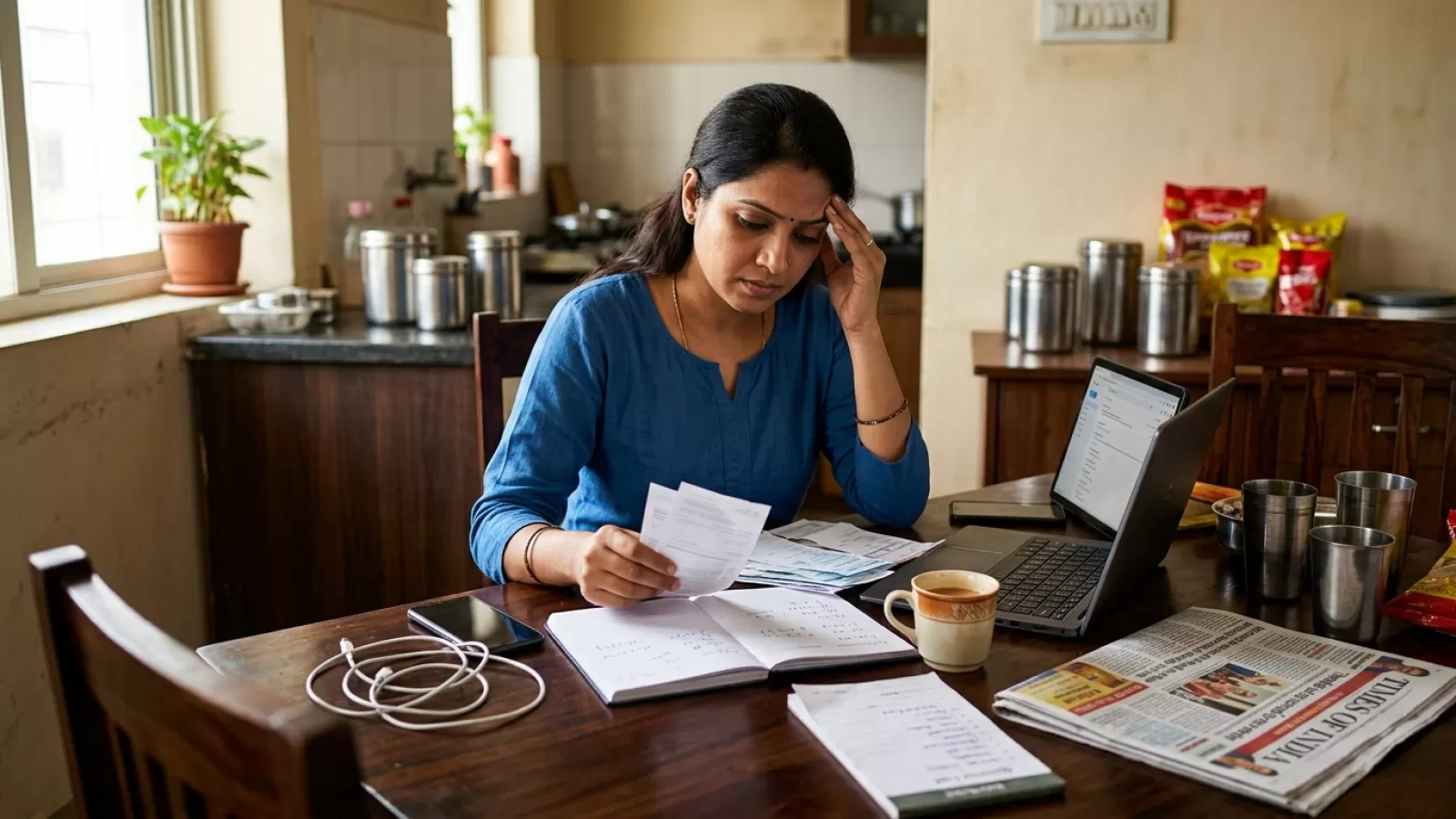
- Constant interruptions during work-from-home hours
- Lack of private space in joint families
- Noisy neighbors or loud TV volumes
- Frequent power cuts, especially in summer
- Pressure to keep up with relatives’ or friends’ lifestyles
Even things like waiting for everyone to come home before dinner, or the expectation to host guests at short notice, can quietly add to your stress. Over time, these small issues start to feel like background noise, but your mind and body still react to them.
Recognizing these triggers is the first step. You can’t change everything, but being aware helps you decide what’s worth your energy.
Why Small Stresses Feel So Big Over Time
One spilled cup of tea or a late evening phone call isn’t usually a big deal. But when these things happen repeatedly—day after day—they start to add up. In many homes, especially where everyone’s routines overlap, small frictions become a regular part of life.
Here’s the catch: your mind rarely takes a break if there’s always something or someone demanding your attention. This is common in busy households, where mothers, working professionals, and even retired elders find very little alone time. That constant state of "just about coping" can be more tiring than a single big crisis.
What seems like a minor hassle at first—a misplaced key, a forgotten grocery item—can feel overwhelming after a long week. It’s no wonder so many people feel ready to snap by Friday evening.
Awareness Practices for Catching Stress Early
Awareness doesn’t mean you have to meditate for hours or keep a detailed diary (unless you want to). It’s more about checking in with yourself, even briefly, during the day. These simple practices can help you notice rising stress before it overwhelms you:
- Pause for a moment before each meal—just notice how you’re feeling in your body and mind.
- Take a few deep breaths when you move from one task to another (like after finishing the dishes or before starting work calls).
- At the end of the day, ask yourself: Did anything keep replaying in my mind today?
- Notice if you’re feeling unusually tired, impatient, or restless—these are often signals of hidden stress.
Awareness is less about solving everything instantly and more about being honest with yourself. Once you notice a pattern, you can decide what to do about it—or at least not blame yourself for feeling "off" for no clear reason.
How Household Roles and Routines Add to Stress
Let’s be honest—Indian homes tend to run on routines. Morning tea, school tiffins, office lunch packing, evening snacks, and late dinners… the list never ends. While routines can offer comfort, they can also feel like a trap when you’re already tired.
Many homemakers feel the pressure to meet everyone’s expectations, even at the cost of their own rest. Working professionals, especially those navigating work-from-home setups, often struggle to separate office worries from home tensions. Elders sometimes feel overlooked or burdened with extra responsibilities.
There’s no perfect way to balance these roles. But, it’s helpful to acknowledge when a routine is adding more stress than support. Maybe it’s okay if the sabzi isn’t fresh every single day, or if you skip folding clothes for one evening. The world won’t end.
Common Emotional Triggers: Comparison, Guilt, and Unspoken Expectations
Not all stress comes from noise or mess. Sometimes, it's emotional. In Indian families, comparison is a quiet but powerful trigger. You see a neighbor buying a new car, a cousin’s child winning a prize, or a friend’s spotless kitchen on WhatsApp—and suddenly you feel lacking.
Guilt is another frequent visitor. You might feel guilty for taking a nap, for saying no to a relative, or for not doing enough for your children or parents. These emotions can be harder to spot because they don’t look like "problems," but they weigh just as much.
Unspoken expectations—like remembering everyone’s birthdays, managing festivals, or always being available—tend to build up quietly. Over time, they can leave you feeling drained and resentful.
It’s natural to care about family and community, but it’s also okay to notice when these feelings are becoming too much. Sometimes, even acknowledging them aloud in your mind can take away some of their power.
Gentle Ways to Respond Once You Notice a Trigger
What do you do after you spot a stress trigger? The answer isn’t always to fix it right away. Sometimes, it’s enough to pause and accept that it’s bothering you. This small act can make a big difference to your mood.
- If a task feels overwhelming, try breaking it into smaller steps—or leave it for later if possible.
- Where possible, ask for help. Many family members don’t mind pitching in if they know you need it.
- Say no politely when you truly can’t take on another responsibility. People usually understand, even if you worry they won’t.
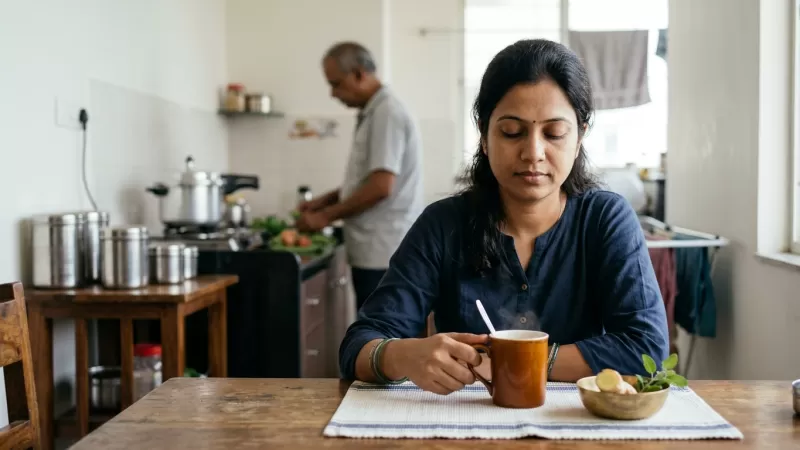
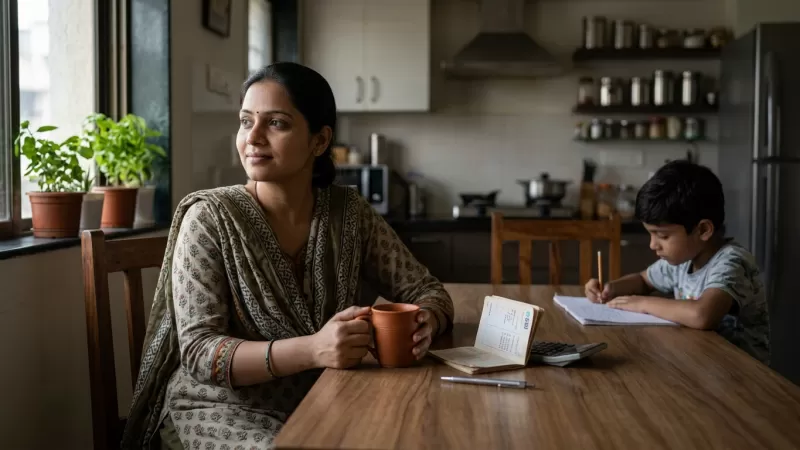
- Take five minutes to yourself, even if it’s just sitting quietly with your tea. That small break can help your mind reset.
You don’t have to get it perfect every time. The point is to treat yourself with a little more kindness and less pressure.
Building a Supportive Home Atmosphere
Most families want peace, but it’s easy to slip into patterns of irritation or blame, especially when everyone’s stressed. Some days, the house feels full of small arguments or silent tension. It happens.
One gentle way to shift things is to talk openly—when you can—about small stresses. Not a big drama, just a simple mention like, “I’m feeling a bit tired today, can we order dinner?” or “Let’s all pitch in and finish chores quickly so we can relax.”
Little rituals can help too. Maybe a short evening walk together, or a few minutes of family time without screens after dinner. These routines don’t erase stress, but they remind everyone that home can be a place of comfort, not just responsibility.
Living with others is never stress-free. But small, conscious changes can keep everyday tensions from piling up until you feel overwhelmed.