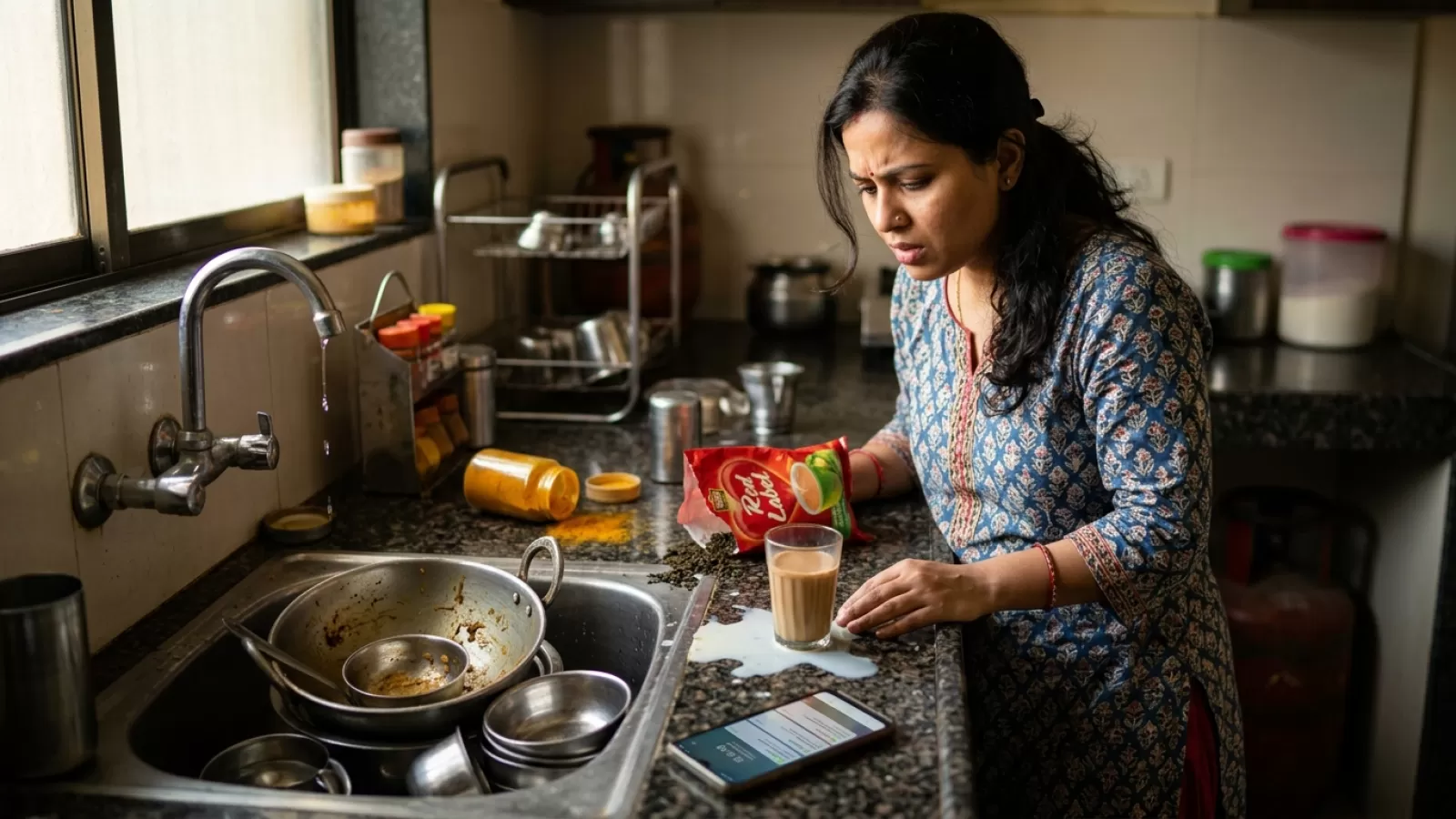
Most days in an Indian home start early and end late. There’s the rush of tiffins, the tangle of traffic, calls from office, homework, that one leaking tap nobody gets around to fixing—little things that just keep coming. On their own, each is a small irritation, barely worth a second thought. But over weeks (or sometimes in a single day), these pile up and can quietly drain your energy. Many families quietly deal with this, often without noticing how much it wears them down.
Why Small Irritations Feel So Big Over Time
It’s strange, isn’t it? You can easily handle one or two minor annoyances—say, a power cut or the milk boiling over. But when these keep happening, they start to feel much heavier than they "should." This is because the mind doesn’t always reset itself after each small hassle. Unaddressed, little frustrations build up like dust collecting behind a cupboard.
These days, with constant notifications and busier schedules, it’s even easier to feel overwhelmed by things that seem minor. It's not just about one slow internet connection or a child’s forgotten homework; it’s the hundredth time in the week you’ve put out a small fire. That’s what can make you snap at someone or feel tired for no clear reason.
Of course, nobody wants to be short-tempered or exhausted by the end of the day. But here's the catch: it's really common, and you're not alone if you sometimes feel like this.
Spotting Hidden Stress: What It Really Looks Like
Most people imagine stress as something dramatic—a meltdown, a big argument. But in many Indian homes, stress is often silent. You might not even recognize it for what it is. Instead, you notice a few of these signs:
- You feel irritable or snappy over very minor things.
- There's a constant feeling of being "on edge"—even during quiet moments.
- Small tasks (like folding laundry or making a phone call) suddenly feel much harder than they should.
- Your sleep is disturbed, or you keep waking up tired.
- You just want to be left alone, even though you usually enjoy company.
These are often the mind’s way of asking for a break. It’s not weakness or lack of willpower. It’s just too many small worries piling up in the background.
Understanding Your Own Stress Patterns
Everyone reacts differently to stress. Some people get restless and start cleaning the house top to bottom. Others withdraw, preferring to sit quietly or scroll through their phone. You've probably noticed your own habits—maybe you reach for a cup of chai, or find yourself raising your voice more often in the evenings.
It helps to gently notice these patterns without judging yourself. You might spend a few minutes at night thinking back over your day—when did you feel most tense? What triggered that feeling? Was it really the overflowing sink, or something that happened earlier on a work call?
These reflections don’t have to be formal or written down (unless that suits you). Sometimes, just pausing and asking yourself, "What’s really bothering me today?" can be surprisingly helpful.
Simple, Everyday Emotional Awareness Practices
The idea isn’t to erase all stress—life is busy, and some level of irritation is just part of living with family, work, and the Indian chaos we all know. But you can get better at noticing when the pile is getting too high. Here are a few gentle practices that fit into most routines:
- The Mini-Pause: Whenever you catch yourself getting annoyed, stop for a few seconds. Take three deep breaths. It sounds basic, but it often interrupts the automatic reaction.
- Check-in with Yourself: Once in the morning and once before bed, ask yourself, "How am I feeling right now?" It’s okay if the answer is just "tired," "irritated," or even "fine." The point is noticing, not fixing.
- Label Your Feeling: Give your emotion a simple name—"frustrated," "anxious," "overwhelmed." Research tends to show that naming feelings can make them less overwhelming.
In many homes, these tiny check-ins get lost in the shuffle. But over time, they help you catch small irritations before they turn into something bigger.
Gentle Ways to Release Everyday Frustrations
Once you notice irritation building up, it helps to let it out naturally—not by shouting, but in quieter ways that work in a typical Indian household. Everyone has their own comfort zone, but here are a few things that often help:
- Move a Little: Walk around your home, stretch your arms, or do a few rounds of the stairs. Even a five-minute walk on your terrace or balcony can help your mind reset.
- Water Therapy: Washing your face, soaking your feet, or even just splashing cool water on your hands can feel surprisingly calming, especially during the hotter months.
- Talk It Out (If You Can): Sometimes, just telling a family member, "Today was a really tiresome day"—without expecting solutions—can lighten the load.
Some families find humor helps. Others, especially elders, quietly chant a mantra or listen to bhajans in the background. The method isn’t as important as the regular release.
Creating Micro-Breaks in the Indian Daily Routine
Here’s something many people overlook: you don’t need a one-hour yoga session or a weekend retreat to lower daily stress. A few micro-breaks, scattered through the day, can make a real difference.
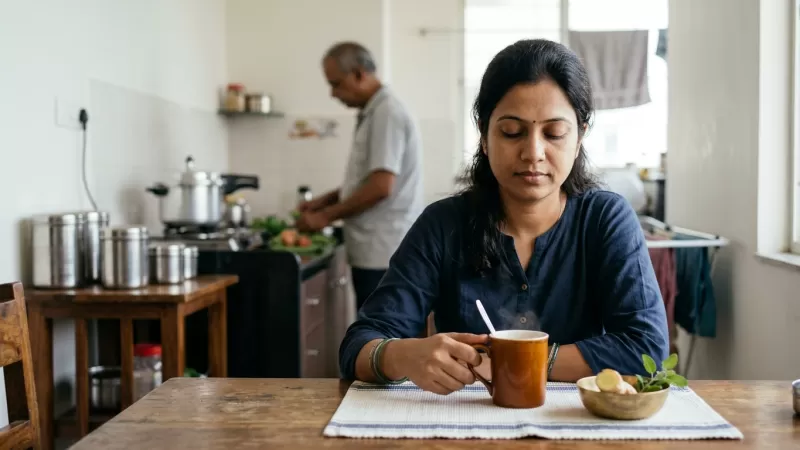
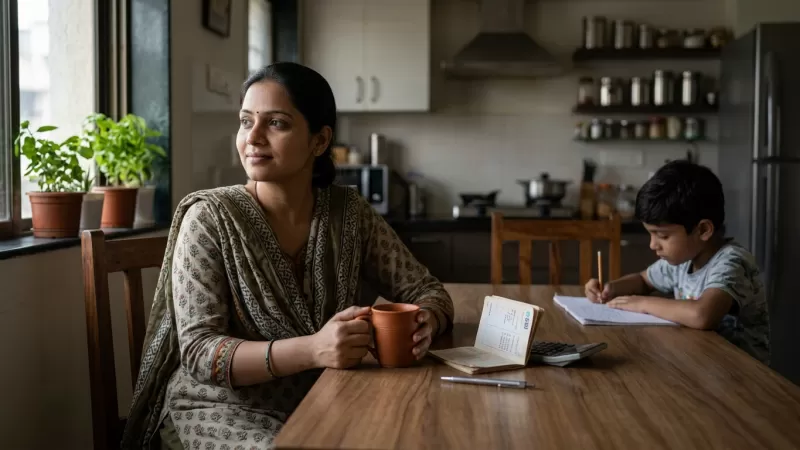
For example, after finishing the morning chores, you might sit with your tea for five minutes and just look out the window. Or, when your work-from-home call ends, you close your eyes and rest your head back for two minutes before jumping into the next task.
These moments don’t solve every problem. But they create small gaps where your mind and body can catch up, instead of running on a constant treadmill. Over time, these breaks can become a quiet source of resilience.
Household Practices That Quietly Support Emotional Balance
Sometimes, the way your home runs can either add to your stress or gently take the edge off. Many Indian families have their own little routines—lighting a diya at dusk, playing soft music during evening chores, or keeping certain corners of the house tidy for peace of mind.
Food also plays a part. A simple dal-chawal meal, eaten slowly with family, can feel comforting after a long day. Even small rituals—like sharing a plate of fruit in the afternoon, or sitting together for evening tea—build a sense of togetherness that helps buffer against stress.
Of course, not every home runs smoothly. There are days when nothing feels in order. But even one small, familiar ritual can create a sense of steadiness when everything else feels a bit too much.
When You’re Too Tired for “Good Habits”
Let’s be honest—there are times when all advice feels useless. You know you “should” take a break or talk it out, but you’re simply too tired or busy. This happens to everyone from time to time, especially during festival seasons, family emergencies, or crunch periods at work.
On these days, it’s okay to let yourself off the hook. Maybe you order in dinner, let the laundry wait, or tune out the world with a favorite old song. The trick is not to judge yourself for being human. Even small acts of self-kindness—like sitting with your feet up for a few minutes—can help you bounce back when things settle.
Remember, you’re not failing at life; you’re just tired. It passes.
Building a Gentle, Ongoing Awareness
No single practice will solve all your daily irritations. Life will always have its share of noise, mess, and unexpected annoyances. But with time—and a little patience—you can get better at spotting when the pile is getting too high, and gently set it down before it overwhelms you.
Most importantly, know that you’re not alone. In many Indian homes, people quietly handle more than they let on. A little awareness, a few small pauses, and some honest conversations can help lighten the load, one day at a time.
Some days will still be hard. That’s normal. But over time, these small steps can make daily life feel just a bit lighter—and that’s no small thing.