There’s something quietly powerful about the early dawn hours. Before the traffic picks up, before the pressure of a busy Indian day begins to build, many of us find that our minds are already wide awake—sometimes with worries, sometimes with a gentle unease that has no name. You might be lying in bed, hearing the first sounds of birds or the distant clang of a milkman’s cycle, and notice stress surfacing in the stillness. In many homes, this is when stress is at its most honest, felt before any distractions arrive. For those looking for gentle ways to release this tension without disturbing the calm of the house, the early morning offers quiet, practical opportunities. Let’s explore a few simple practices you can try, even if you’re not a morning person.
Why Early Dawn Feels Different
Many people notice that their worries feel sharper in the early hours. It’s a time when the world is quieter, but our thoughts can be quite loud. Perhaps you’ve woken up before your alarm, feeling the weight of yesterday’s unfinished chores or today’s long to-do list. This is common—especially in families where responsibilities often spill into the next day.
In Indian homes, dawn is also the time when nature is at its calmest. The air is cooler, there’s less noise, and the mind hasn’t yet been pulled in many directions. This silence can make stress stand out more, but it also gives us a chance to notice and gently address it.
Of course, not everyone can use this quiet time, especially if you’re caring for young children or have night shifts. But if you do find yourself awake, even for 10–15 minutes, you can gently use this window for stress release without waking others.
Breathing Practices for Calm
Breathing is often overlooked because it feels too simple. But in Indian homes, you’ll hear elders remind you to “sit quietly and take a few deep breaths” when things get tense. There’s a reason for this: slow, mindful breathing can signal your body that it’s safe to relax, even if just for a moment.
One of the easiest ways to start is with a practice like 4-7-8 breathing. Here’s how you can do it, sitting up in bed or even standing by your window:
- Breathe in gently through your nose for a count of 4.
- Hold your breath for a count of 7 (only if comfortable).
- Exhale slowly through your mouth for a count of 8.
Repeat this for 3–4 cycles. You’ll probably notice your heartbeat slowing and your mind feeling a little lighter. There’s no need to do this perfectly—just being intentional with your breath during the quiet of dawn can help soften stress.
Gentle Movement Without Waking the House
Many families in India live in small apartments or close quarters, where early morning noise can easily wake sleeping children or elders. That said, movement can be one of the best ways to release tension carried overnight.
You don’t have to unroll a yoga mat or play calming music. Simple stretches, practiced quietly by your bedside, can be enough. Try rolling your shoulders, gently tilting your neck from side to side, or softly rotating your wrists and ankles. These movements help ease stiffness and signal to your mind that it’s time to start letting go.
Sometimes, just standing near a window, stretching your arms overhead, and taking a slow breath while looking out at the soft morning light is surprisingly soothing. The small things add up, especially when done regularly.
Mindful Sips: The First Morning Drink
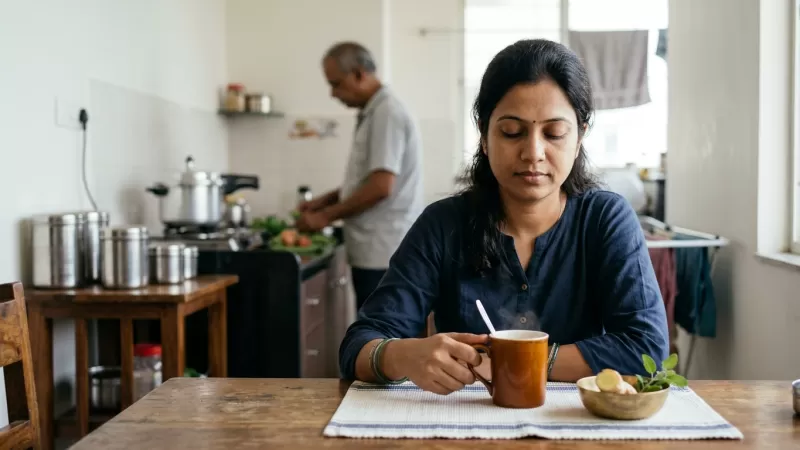
In many Indian homes, the day begins with chai or a cup of hot water. This first drink can also be a quiet stress release practice, if you give it your full attention. Instead of gulping it down while checking WhatsApp messages, try this:
- Sit near a window or in your balcony, holding your cup with both hands.
- Breathe in the aroma, feeling the steam on your face for a moment.
- Take slow, mindful sips, noticing the warmth as it travels down.
This small ritual turns an ordinary habit into a mindful practice. It’s not about fancy teas or complicated routines—just giving yourself a few peaceful moments before the rush begins. The tricky part is not reaching for your phone or starting on chores right away. But with practice, this becomes easier.
Writing Out Worries (If You’re Awake Early)
Sometimes, stress surfaces as a jumble of thoughts that keep circling in your mind. You may have a habit of replaying yesterday’s arguments or worrying about the week’s plans. Here’s where a simple notebook can help.
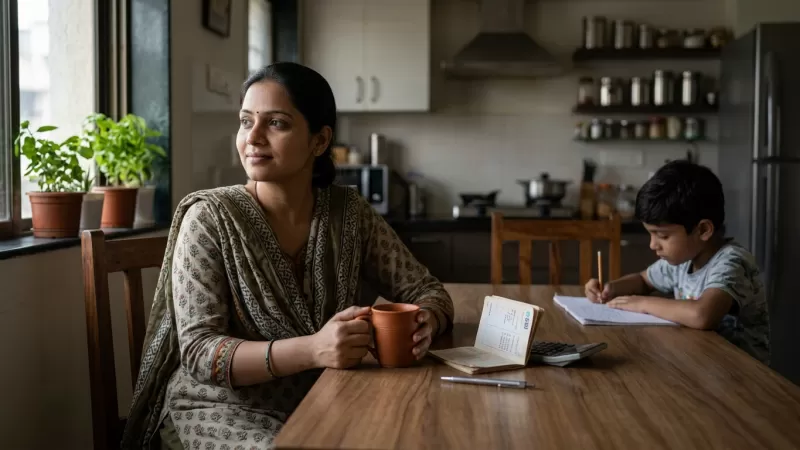
Keep a small diary and pen by your bedside. If you’re awake before everyone else, quietly jot down whatever’s on your mind—no need for perfect sentences or grammar. Just a few lines about what’s worrying you or what you hope for the day.
Writing things down doesn’t make problems disappear, but it often makes them feel a little lighter. It’s a way of telling your mind, “I see you, but I don’t have to hold on so tightly right now.” Many families quietly deal with unspoken stress; a notebook can be a safe place to let some of it out.
Listening to the Early Morning Sounds
Believe it or not, just listening can be a form of stress release. When the house is quiet, pay attention to the sounds outside—a distant temple bell, birds waking up, the soft hum of a ceiling fan. These are sounds we often ignore, but they belong to the natural rhythm of Indian mornings.
If you’re someone who finds meditation difficult, simply sitting and listening for a few minutes can be grounding. There’s no pressure to clear your mind or achieve anything. Just noticing the world as it wakes up can pull your attention away from stress, even briefly.
Some days, you might feel too restless for this. That’s okay. The point is to offer your mind a small, gentle anchor in the present moment, without forcing anything.
Preparing for the Day—Without Rushing
In modern Indian life, mornings can turn hectic so quickly—packing tiffins, helping children get ready, sending messages to the maid, or preparing breakfast. But if you have a few quiet moments before this rush, use them to plan your day gently, rather than jumping straight into tasks.
Try making a simple list of 2–3 things you really need to finish. Don’t worry about making it perfect—just enough to make your morning feel a bit more organized. Many people find that having a small plan helps keep stress from snowballing as the day goes on.
Of course, not every morning will go smoothly. Sometimes, the best you can do is pause for a minute before the day really begins. That’s still valuable.
Things to Remember About Early Morning Stress Release
The early dawn hours aren’t magic, but they do offer a unique kind of quiet that’s hard to find later in the day. If you’re awake and feeling stressed, know that you’re not alone—many people, of all ages, quietly carry this tension.
Practices like mindful breathing, gentle movement, or even just a slow cup of chai aren’t solutions in themselves, but they can become steady supports over time. Stress release doesn’t have to be dramatic or perfect. Often, it’s the quietest routines—done in the half-light of dawn, when the world is still—that help most.
And if some mornings you just want to lie quietly and do nothing at all, that’s perfectly normal too.