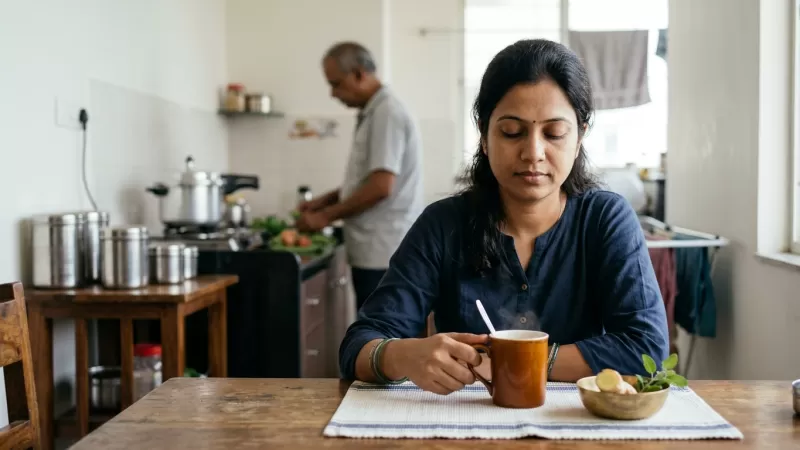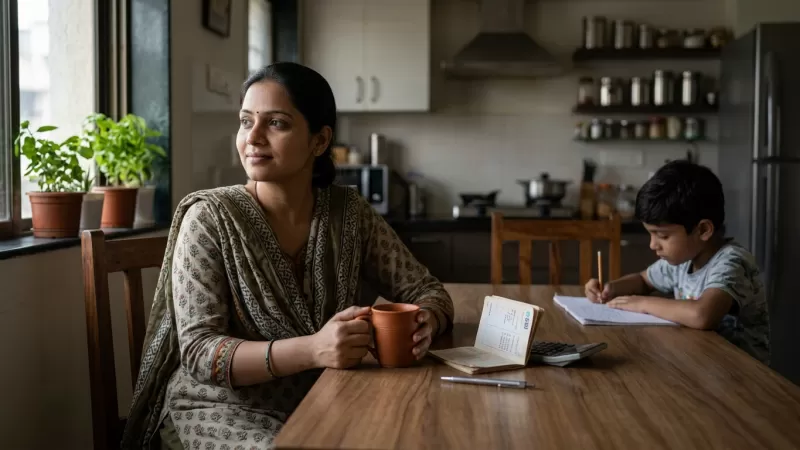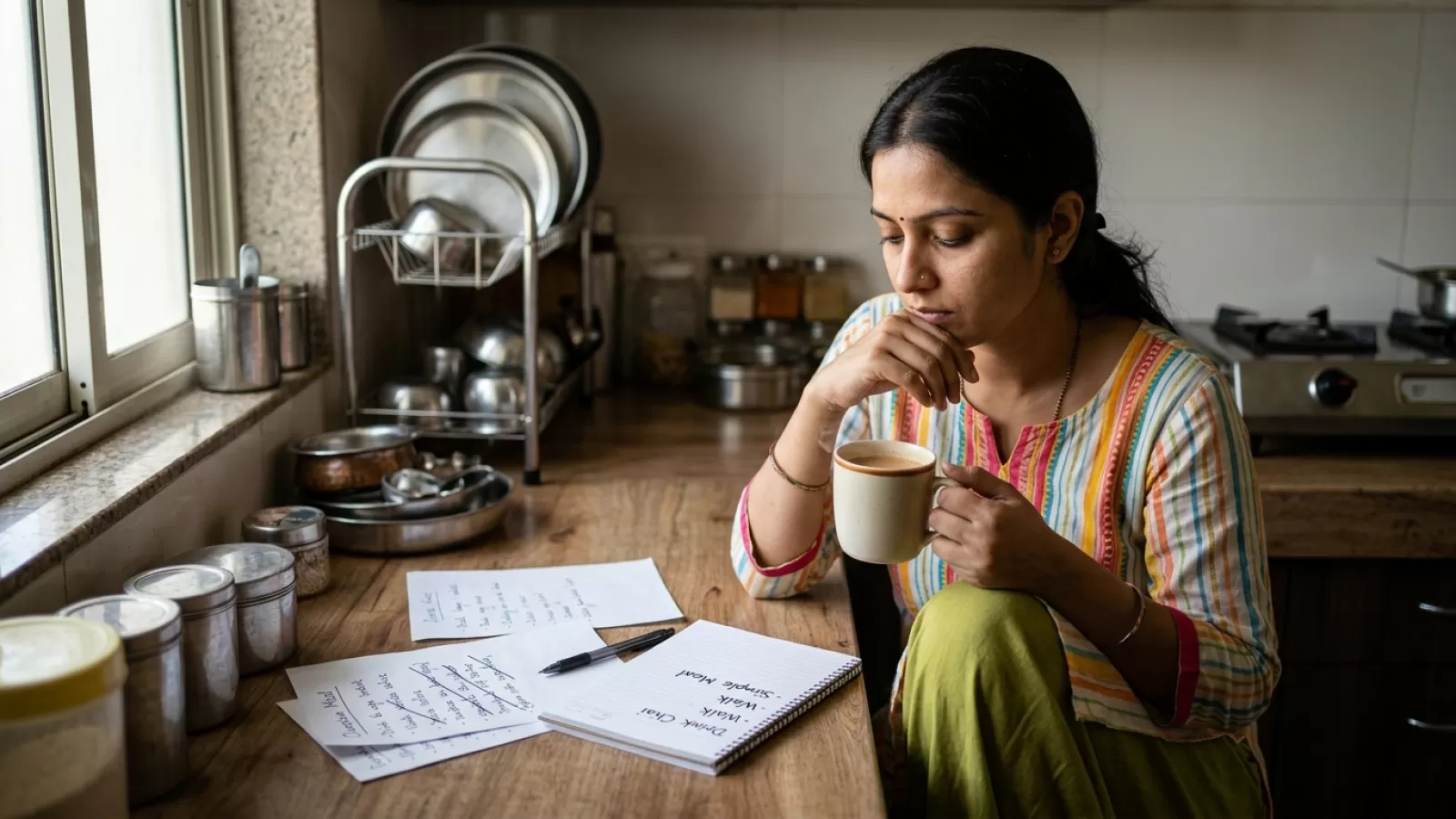
Most of us know the feeling: every magazine, WhatsApp group, or well-meaning neighbour seems to have a new tip for handling stress. Breathe deeply, meditate, journal, walk 10,000 steps, do yoga, count your blessings, repeat mantras, drink herbal teas... The list keeps growing. It’s no surprise that many people—especially in busy Indian homes—end up feeling even more stressed just trying to keep up with all this advice. Sometimes, it feels like relaxation itself has become another chore.
Why Too Much Advice Can Make You Feel Worse
You’ve probably noticed that the more you read about stress relief, the more overwhelming it can feel. There’s pressure to try everything at once, or guilt when you skip a day. For many families, especially those with kids, elders, or long work-from-home hours, these extra routines can be tough to squeeze in.
The truth is, you don’t need a complicated plan to feel a little better. In fact, constantly chasing after the “perfect” stress-busting habit can leave you feeling even more tense than before.
The trick is to simplify, not pile on.
Spot the Stress—Don’t Fight It All Day
Many people quietly deal with headaches, tight shoulders, or snappy moods and don’t even realize it’s stress. Noticing is half the job. You don’t have to label or analyse every feeling. Just take a short pause now and then and ask yourself, “Am I clenching my jaw? Is my mind racing? Am I rushing?”
This simple check-in takes only a few seconds. You can do it while stirring dal or waiting for your tea to boil. You don’t need a fancy meditation app or a special place to sit.
Over time, these small moments of awareness tend to reduce the build-up of daily stress—almost like opening a window to let out stale air. No extra routine, just a gentle nudge to notice yourself.
Let Go of “Perfect” Routines
Here’s the catch: Trying to fit in everything (from green tea to gratitude lists) can make you feel like you never do enough. In many Indian homes, there’s already a rhythm—morning chai, evening TV, chatting with family after dinner. Use what’s already there, rather than adding more.
- Enjoy your evening cup of chai or coffee, really tasting it.
- Pause for a minute after you finish cooking, just standing quietly.
- Let yourself sit quietly with your family, without checking your phone.
These small acts, woven into your existing life, count far more than any new, complicated habit.
Choose Fewer “Must-Dos”—And Drop the Rest
It’s tempting to try every new idea you hear. But honestly, most people only stick with one or two things that feel natural. For example, some folks feel calmer after a short evening walk, while others prefer lying down in a dark room for five minutes after lunch. There’s no single formula.
- If you already enjoy music, play your favourite songs while folding laundry or cleaning up.
- If you like reading, even a page or two before bed can act as a gentle reset.
- If you love a certain food, let yourself savour it without guilt.
Let go of the rest. Trying to force yourself into routines that don’t fit your life often backfires. Sometimes, doing “less” is actually wiser.
Make Use of Ordinary Moments
In Indian families, daily chores rarely stop. But these ordinary moments—like waiting for the pressure cooker’s whistle or washing vegetables—can become small breathers. You don’t have to “practice mindfulness” in a formal way for it to help.
Just notice the feeling of cool water as you wash rice, or the sound of birds outside while you fold clothes. These small shifts in attention often help your mind rest, even if only for a minute or two.
Sometimes, that’s enough. Especially on days when there’s no time for anything more.
Be Honest About Your Limits
There’s a lot of talk about “pushing yourself” and “never giving up.” But some days, you really are tired, and it’s fine to admit it. Seniors, working parents, and homemakers often feel they must keep going for everyone else. But everyone gets exhausted—even the strongest among us.
If you’re feeling stretched, it’s okay to say no to extra chores, skip a social call, or order food instead of cooking. It doesn’t mean you’re weak or lazy. It just means you’re human.
On hectic festival days or after a tough work week, sometimes the most caring thing you can do is give yourself permission to rest, even if only for a little while.
Let Family Habits Work for You
In many joint families, certain routines—like eating together, sharing evening TV time, or walking to the neighbourhood shop—are already built into daily life. These are natural stress-relievers, even if they don’t look fancy.
Try not to underestimate the power of these shared moments. Even a simple conversation while peeling peas or making rotis can lighten your mood. Small chats with kids or elders, jokes exchanged during dinner, or a shared laugh at a favourite TV serial—all of these help lower stress in gentle ways.
There’s no need to make these activities “official” stress-busting routines. Just let them happen, and notice when they make you feel a bit lighter.
Gentle Ways to Ease Tension—No Extra Chores Needed
If you feel like you’re always carrying a little tension in your body, here are some simple, non-intrusive ways many people use to feel a bit better:
- Sit in the balcony or near a window for a few minutes, especially during early morning or evening when the air is cooler.
- Stretch your arms and legs for a few seconds while getting up from a chair—nothing fancy, just natural movements.
- Let yourself yawn and take a deep breath now and then—no rules, just when you feel like.
- Open a window to let in fresh air, even if it’s just for five minutes.
- Listen to the street sounds or temple bells, letting your mind drift for a while.
None of these require special clothes, mats, or apps. They fit into real life as it is, not as we wish it could be.
Remember: Small Changes Add Up
Most stress relief comes from dozens of small acts, not one big change. Over time, these gentle adjustments—pausing for a breath, saying no, enjoying a quiet moment—can make daily life feel less overwhelming.
It’s normal to feel lost or tired sometimes, especially in today’s fast-moving world. You don’t have to fix everything at once. Even a little less pressure is a good start.
After all, in most homes, life rarely goes perfectly to plan. And that’s absolutely fine.