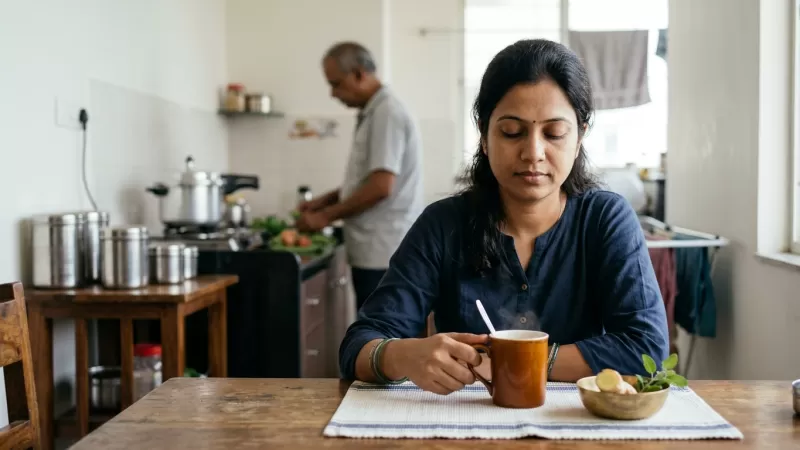
Sometimes, a small thing—like a leaky tap, a misplaced bill, or a child’s forgotten tiffin—can suddenly feel like the world’s biggest headache. You may have noticed, in your own home or with friends, how a tiny issue grows in your mind until it feels nearly impossible to shake off. Why does this happen? And what can you do, gently and practically, to keep daily worries from taking over your peace? Let’s talk about it, honestly and without judgment, as it comes up for so many of us these days.
Why Do Minor Problems Feel So Big?
It’s not just you—this happens in many households. Sometimes, the problem isn’t the tap or the bill itself, but the feeling that everything is piling up. In Indian homes, where daily routines are already packed—school runs, office calls, meals to prepare, elders to care for—even a small glitch can break the rhythm.
Our minds tend to connect one problem to another, so a small worry can remind you of other unfinished tasks or old mistakes. In a busy day, this chain reaction can be exhausting. You might notice your heart beating faster or find it hard to focus on anything else. That’s just how our brains try to protect us, by alerting us to possible threats—even if they’re really quite minor in the bigger picture.
There’s also the ‘what if’ thought: What if the leak gets worse? What if the child falls sick because of the missed lunch? These thoughts, though natural, can make small issues feel like emergencies.
The Everyday Pressure Cooker
Homes in India, especially in cities, run on tight schedules—early morning rushes, traffic, last-minute grocery runs, and late-night work calls. In this setting, you rarely get a real break. When one thing goes wrong, it can feel like the lid is about to burst.
Many families quietly deal with a constant hum of stress. You may not even realize how much you’re carrying until a small issue tips you over. Sometimes, it’s simply the last straw after a long string of little frustrations—power cuts, internet issues, or noisy neighbors.
Here’s the catch: when you don’t have time to slow down, your mind can start treating every hiccup as a crisis. This isn’t a personal weakness. It’s just a sign that you’re human, living in a busy world.
Our Old Habits and Childhood Patterns
You’ve probably noticed that some people stay calm even during chaos, while others worry quickly. Often, this goes back to what we saw growing up. If you grew up in a home where small problems were met with panic or anger, your mind may have learned to react in the same way.
In Indian families, there’s sometimes a tendency to expect perfection—from ourselves and others. If you’ve ever heard, “How could you forget?” or “This always happens to you,” it can add pressure. Over time, these words can stick, making even a tiny mistake feel like a big failure.
That said, being aware of these old patterns is the first step toward changing them. It helps to remember: everyone forgets things or faces small setbacks sometimes.
How Worry Grows: The ‘Snowball’ Effect
Let’s say you spill some dal while serving lunch. In a calm moment, you’d just wipe it up and move on. But when you’re already stressed, the mind starts linking this to other worries: “Why am I so clumsy? Now there’s extra cleaning. I’ll be late for my meeting. What will everyone think?”
This is the ‘snowball’ effect. A small worry rolls along, picking up other concerns as it goes—until it feels huge. This is very common, especially when you’re tired or stretched thin. The tricky part is, even when the original problem is solved, the feeling of stress can linger.
Breaking this chain takes patience, but it is possible with a bit of awareness and practice.
Simple Awareness Habits That Help
There’s no magic formula, but some gentle habits can help you step back from the edge when small worries start to feel huge.
- Pause and Breathe: When you notice yourself spiraling, stop for just ten seconds and take three slow, deep breaths. This can help your mind reset, even for a moment.
- Name the Problem: Say (out loud or in your mind), “This is a small issue. It feels big, but it’s not an emergency.” Sometimes, just naming it reduces its power.
- Check for Overload: Ask yourself, “Am I tired? Hungry? Rushed?” Many times, basic needs—missed lunch, skipped chai—make worries feel much bigger.
- Notice the Snowball: If your mind starts linking one problem to another, gently remind yourself, “Let’s just handle this one thing right now.”
Small steps like these can often help you regain some calm, even on a busy day.
Gentle Ways to Reduce Daily Stress at Home
In many Indian homes, simple routines and familiar comforts go a long way. These aren’t big changes, but over time, they can help keep daily worries from piling up.
- Stick to Simple Routines: Even if life is busy, having a basic routine for meals, rest, and chores can make unexpected events feel less overwhelming.
- Share the Load: If you live with family, ask for help—even with small things. Children can fold clothes; seniors can help with vegetable prep. It may not be perfect, but it eases your burden.
- Take Small Breaks: A short walk on the terrace, a quiet cup of chai, or a few minutes of music can help your mind let go of stress. These aren’t luxuries—they’re small acts of self-care.
It’s easy to forget these things when you’re caught up in daily life. But even a little bit of kindness to yourself can make a difference.
When Stress Keeps Coming Back
Sometimes, no matter what you do, worries keep returning. Maybe it’s a busy season—like school exams, festivals, or a family event. Or perhaps there are bigger changes happening, like a job shift or health concern.
In such times, it’s common to feel irritable or tired. You might snap at loved ones or lose sleep over small worries. If this happens, try not to judge yourself too harshly. These feelings usually pass, especially if you give yourself a little grace and patience.
Remember, you’re not alone. Many families go through these ups and downs quietly. Sometimes, just talking to a friend or loved one about what you’re feeling can help lighten the load.
Building a Kinder Perspective
Life at home, whether in a joint family or a nuclear one, rarely goes exactly as planned. There will always be some mess, some noise, and some things left undone. That’s just how it is.
Instead of aiming for perfect order, it often helps to accept a little bit of chaos. If the roti gets a bit burnt or a meeting runs late, it usually isn’t the end of the world. Over time, you may find that your family remembers the laughter and togetherness far more than the small mishaps.
It’s okay to care about your home and your loved ones. But it’s also okay to let small things go, at least now and then.
Everyday Calm Is Possible
Minor worries can feel huge—especially in busy, modern Indian homes. But with a bit of awareness and some simple habits, you can often keep them in their place. Not every problem needs to become a crisis, and not every day needs to be perfect.
If you find yourself panicking over a small issue, try to pause, breathe, and remind yourself: this is just one moment in a long, busy day. Over time, you may notice these small steps making a quiet difference in your peace of mind.
Because, after all, a little calm—like a warm cup of chai—can go a long way.