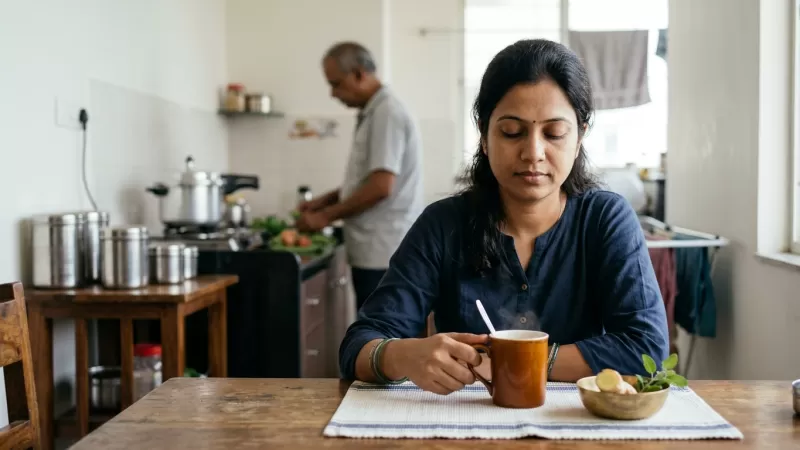
Some days, your mind just feels completely full. Not with exciting ideas or happy memories, but with a running list of things you need to do, things you haven’t done, and things you’re worried might go wrong. You might start the morning thinking of the gas cylinder booking, the office call, your child’s forgotten water bottle, or even that nagging feeling you left the geyser on. This sort of mental clutter is almost invisible, but it quietly drains your focus and makes even the simplest moments feel tiring. Most people don’t notice it until they snap at someone or forget something important. That said, it’s possible to clear a surprising amount of this mental mess with a few simple habits—nothing fancy, nothing expensive. Just the kind of everyday routines that fit into the flow of Indian home life, whether you’re running a kitchen, working from home, or looking after a family with mixed routines.
Why Mental Clutter Builds Up So Easily
You’re not alone if you feel your mind buzzing with tasks and worries. In many Indian homes, especially in cities, the pace has picked up in recent years. Mornings are often rushed, and evenings can stretch late, especially if you’re balancing work, home, and maybe even elder care or children’s studies.
Unlike physical clutter, which you can see and clear out, mental clutter tends to sneak up on you. It comes from juggling too many roles, sudden changes in plans, WhatsApp notifications, or even just remembering small things like paying the milkman or recharging your phone. Over time, this pile-up makes it hard to be fully present, whether you’re eating dinner with family or trying to finish office work.
It’s not about being weak or disorganised. It’s just the way modern life goes, especially when your responsibilities keep shifting. Even people who seem very sorted quietly deal with this.
Start With a Simple External Brain
Here’s the catch: trying to keep everything in your head is exhausting. One of the easiest ways to declutter your mind is to stop relying on memory alone. People in offices often use sticky notes, but you can do something similar at home.
- Keep a small notebook (or even a few loose pages) somewhere easy to reach—maybe near your tea tray or on the fridge.
- Write down to-dos, grocery items, bills to pay, or anything else as soon as it pops up.
- If you prefer, use your phone’s notepad app. Some people find writing by hand feels more satisfying, but do what feels natural.
This small external ‘brain’ helps you stop rehearsing the same thoughts. You no longer have to remind yourself ten times a day to call someone back or buy coriander. The relief is subtle, but it’s real. And no, you don’t have to make a perfect list—just jot things down as they come.
Use Micro-Routines for Repeated Tasks
Many Indian households have repeated tasks—packing tiffins, sorting laundry, checking locks before bed. The tricky part is that these routines can feel like endless mental loops, especially when you’re tired or distracted.
One helpful approach is to create mini-routines that you follow almost without thinking. For example, you could:
- Keep keys, wallets, and chargers in a fixed spot (maybe a small tray near the entrance).
- Set up a weekly day for certain chores—like washing bedsheets on Sundays or cleaning the fridge every second Saturday.
- Assign a small basket for bills and letters, and clear it out every Friday.
After a while, your brain stops questioning these little actions and just does them. It’s not about being rigid; it’s about reducing the number of small decisions you need to make each day. That little bit of saved energy adds up.
Declutter Your Digital Space, Not Just Your Home
Phones and laptops are a big part of modern Indian life, whether you’re handling work-from-home meetings or keeping up with family groups. But digital clutter—like too many notifications, unread WhatsApp chats, or endless photos—quietly adds to your mental load.
- Set aside just 5-10 minutes each evening to clear WhatsApp messages or delete unnecessary photos.
- Turn off non-essential notifications. You don’t have to be available for every ping.
- Organise important documents into clear folders, especially things like child’s school PDFs or utility bills. Even a little order makes searches less stressful.
It’s okay if you can’t do it all at once. Even a little digital tidying, done regularly, makes your mind feel lighter.
Practice the ‘One In, One Out’ Habit
Physical clutter in your home—old newspapers, plastic containers, clothes you don’t wear—can actually weigh on your mind, even if you’re not fully aware of it. There’s a simple habit that many families quietly use: whenever you bring something new into the house, let go of something old.
For example:
- If you buy a new kurta, donate or repurpose one you rarely wear.
- When you get a new kitchen container, recycle or pass on an older one.
- Swap out old magazines or books when new ones arrive.
This ‘one in, one out’ habit keeps your physical space manageable. And when your home feels a bit lighter, your mind often follows.
Make Space for Quiet, Even If It’s Brief
Indian homes are rarely silent. There’s always some background sound—pressure cooker whistles, TV, children studying, someone on a phone call. That said, even a few moments of quiet can help reset your mind.
You don’t need to meditate for an hour. Try sitting quietly with your chai, or just watching the sky from your balcony for five minutes. Some people use the time after lunch, others find a pause before the evening rush. These small pauses aren’t a luxury—they’re a gentle way to clear the mental dust that builds up during the day.
It’s normal if your mind still wanders a bit. What matters is giving yourself permission to be still, without reaching for your phone or planning your next errand in your head.
Share the Load—Even Small Tasks Count
Many people, especially homemakers and working mothers, end up carrying the invisible weight of everyone’s needs. Sometimes it feels quicker to just do things yourself. But sharing even small tasks can lighten your mental load.
- Ask children to put away their own shoes or school bags. It may not be perfect, but it helps.
- Let your spouse or another family member handle a couple of phone calls or bill payments, even if you need to remind them once.
- In joint families, divide weekly chores or errands, instead of letting one person quietly handle everything.
It’s not about being strict or making announcements. It’s about breaking the habit of shouldering every little thing alone. This can free up valuable headspace and make you feel less drained by evening.
Build a Gentle Evening Wind-Down
After a busy day—whether you’re working, managing a home, or both—your mind needs a signal that it can slow down. For many families, late dinners and TV are the norm, but a short evening routine can help ease lingering worries before sleep.
Some ideas:
- Clear the dining table or kitchen counter right after dinner. A tidy space brings a sense of closure.
- Spend five minutes listing tomorrow’s top three tasks in your notebook, so you don’t keep thinking about them in bed.
- Switch off overhead lights and use softer lamps or nightlights. The shift in lighting can signal your brain to relax.
You don’t have to do all of this every night. Even one or two calming habits, repeated regularly, can help your mind let go of the day’s endless checklists.
Remember—It’s Not About Perfection
Here’s something you’ve probably noticed: no matter how many routines you try, some days just feel more cluttered than others. That’s normal, especially in Indian homes where unpredictability is part of daily life—guests dropping in, sudden power cuts, or school circulars arriving late.
It’s easy to feel frustrated when your mind stays busy despite your best efforts. But even a little decluttering—making a list, clearing a corner, or sitting quietly for a few minutes—can make the day feel more manageable. The goal isn’t to empty your mind completely, but to make enough space for calm and focus, even in the middle of all the usual chaos.
And sometimes, just remembering that you’re not the only one feeling this way brings its own comfort.