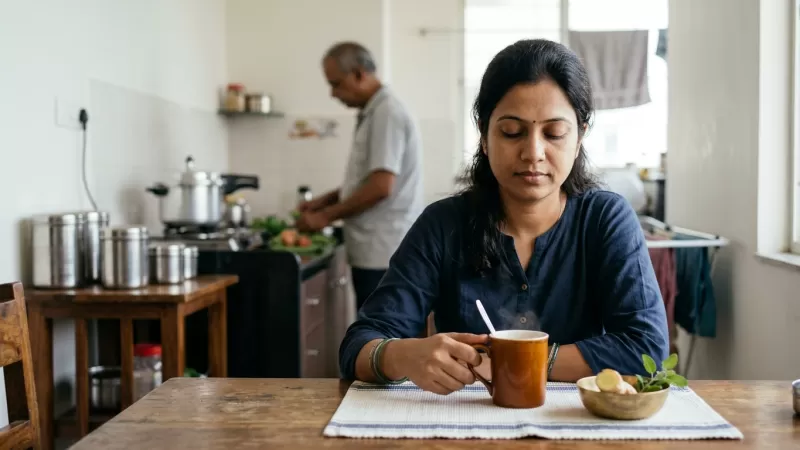
Some days, it feels like small frustrations stack up before you even finish your morning tea. A leaky tap, children refusing breakfast, choked traffic on the way to work or school, a colleague’s careless comment, the endless ping of WhatsApp groups… It’s rarely the big things that wear us down most. In many Indian homes, it’s the steady trickle of little irritations that quietly sap our patience by evening.
Most people don’t explode right away. Instead, the feelings simmer—showing up as a heavy head, a snapped reply, or just a tired sigh over dal and roti at dinner. These days, with busy routines and long hours, small frustrations often go unnoticed until they become a burden. That’s why it helps to have a few mental reset practices on hand. Think of them as tiny pit stops, giving your mind a chance to breathe before the pressure grows.
Why Do Small Frustrations Add Up?
On their own, small annoyances seem harmless. But over time, they collect quietly—almost like dust in corners of the house. You might not even realize how much they’re affecting you until your patience suddenly disappears over something minor.
You've probably noticed how, in a typical day, it’s not just one big problem but a series of small things that leave you feeling drained. Maybe your internet goes down during an important call, or your maid takes unexpected leave right before guests arrive. Each one is manageable, but together, they can make even simple tasks feel overwhelming.
The tricky part is, Indian households often run on tight routines—meals to prepare, elders to care for, children’s homework, and work deadlines. There isn’t much space to pause. So, learning a few reset habits is less about stopping life and more about slipping in moments of calm, even in the middle of everything.
Recognizing When You Need a Reset
Sometimes, you only realize you’re tense once it’s too late. But there are often early signs—tightness in your jaw, a persistent frown, snapping at family, or just feeling restless and unable to sit still for your evening chai.
Many families quietly deal with these feelings without talking about them. But noticing the signs can help you step back before things get heavier. You might find yourself:
- Feeling irritated by small things, like a misplaced remote or noisy neighbors
- Being unusually quiet or withdrawn, even among loved ones
- Finding it hard to focus on a simple TV serial or household task
- Having trouble sleeping or waking up already tired
These days, especially with constant notifications and busy schedules, these signs crop up more often. If you spot them, it’s often a good moment to try a mental reset—even if it’s just for five minutes.
Simple Breathing Practices for Everyday Stress
Breathing is something you can do anywhere. It doesn’t need a yoga mat or a special setting. In fact, many Indian elders have quietly practiced deep breathing for years—sometimes while waiting for the pressure cooker whistle, sometimes while standing in line at the bank.
One gentle way is to sit comfortably, close your eyes (if possible), and count your breaths. Try this:
- Inhale slowly through your nose, counting to four.
- Hold your breath for two counts.
- Exhale gently through your mouth, counting to six.
- Repeat for five to ten breaths.
It sounds simple, and it is. But even a few rounds can ease that sense of tightness many people feel after a long day. If you’re alone in the kitchen or waiting for a call to connect, it’s an easy thing to try.
Here’s the catch: It may feel awkward or pointless at first. But over time, these tiny pauses can make a real difference in how you handle those everyday annoyances.
Creating Small Physical Breaks
Sometimes, the body needs a break before the mind can calm down. In many homes, especially for those who manage most of the household work, the day rarely offers a true pause. But it’s possible to slip in micro-breaks—short, intentional movements that gently signal your body to reset.
You don’t need a formal exercise routine for this. Some ideas that quietly fit into a busy Indian day:
- Stand up and stretch your arms overhead between chores or meetings.
- Take a slow walk to the balcony and look at the sky for a minute or two.
- Roll your shoulders gently backward and forward while waiting for water to boil.
- If you’re able, step out to your building’s staircase or corridor for a few breaths of fresh air.
Often, these small physical resets are overlooked. But moving your body, even briefly, tends to ease built-up tension—and sometimes gives your mind a fresh start too.
Rituals That Mark the End of a Stressful Spell
Indian households are full of little rituals—lighting a lamp at dusk, washing hands before dinner, or just sitting with evening tea. These ordinary habits often offer a natural transition from one phase of the day to another.
If you’ve had a rough afternoon, try using such a ritual as a mental reset. For example:
- Wash your face and hands slowly, paying attention to the coolness of the water.
- Light an agarbatti or diya, even if just for five minutes, and watch the flame.
- Play a favorite old Hindi or regional song (not just on headphones, but aloud in the room).
- Change into comfortable home clothes before starting the evening routine.
These acts aren’t magic solutions. But they do signal to your mind and body: "That part of the day is over, a new part is beginning." Many elders have quietly relied on such habits for years, and there’s something comforting about their regularity.
Gentle Ways to Let Off Steam Without Hurting Anyone
When frustration builds, it sometimes spills out at home—on family, children, or helpers. It happens in many homes, even when you don’t want it to. Finding a safe outlet can help you avoid those moments you regret later.
Some gentle, non-harming ways to let off steam:
- Write down what’s bothering you on a scrap of paper, then tear it up and throw it away.
- Talk aloud to yourself in a private corner—sometimes just saying things out loud can clear your head.
- Clap your hands sharply a few times, or shake out your arms, as if brushing off the tension.
- Do a few quick chores with extra energy—sweeping, wiping a counter, or arranging something, just to move the frustration out of your system.
Not everyone finds these things useful, but for some, they’re enough to release that immediate pressure, helping you come back to family or work with a bit more patience.
Quick Mindful Distractions That Actually Help
The idea here isn’t to ignore problems, but sometimes, a little distraction gives your mind a break from cycling through the same irritation. In modern Indian homes, with so much noise and busyness, quick mindful distractions can offer relief.
Some examples:
- Look out the window and count how many birds or people you see in two minutes.
- Arrange your spice box (masala dabba) or a kitchen shelf for a few minutes—something about bringing order helps settle the mind.
- Run your fingers over a textured surface, like a cotton dupatta or the grain of a wooden chair, paying close attention to the feeling.
- Water a plant or tidy up a small corner of your home—just a tiny space, not a full clean-up.
These tiny distractions can act as a reset button, especially when you feel stuck in a cycle of annoyance. It’s not about escaping, just giving your brain a short pause before returning to the day.
When to Seek Comfort from Others—and When to Have Space
In joint families, or even in small nuclear households, it’s common to keep frustrations to yourself, not wanting to trouble others. But sometimes, sharing a simple, “Today was a little tough,” can lighten your load.
If you feel comfortable, talking things over with a spouse, sibling, parent, or even a neighbor over chai can offer quiet comfort. Sometimes, just being heard is enough. On the other hand, there are days when you may need a bit of space—ten minutes alone in your room, or a short walk outside, without anyone asking questions.
Both are fine. The important thing is to notice what you need, and allow yourself a little kindness—whether that’s company or solitude. Many people feel guilty for needing breaks, but it’s a normal part of living with others, especially when life is moving fast.
Building a Reset Routine into Your Day
With busy Indian routines—children’s online classes, office calls, meals, and errands—resetting your mind isn’t always easy. It’s not practical to expect long stretches of peace. Instead, the idea is to build small, regular resets into your day, so tension never gets a chance to pile up too high.
This might look like:
- Taking two minutes at lunchtime to just sit quietly, eyes closed, before eating.
- Using the time after dinner for slow, mindful washing up or folding clothes, rather than rushing through.
- Making a habit of a short prayer, song, or breath practice after your evening chores are done.
- Reminding yourself gently: "It’s okay to pause. The rest can wait for a few minutes."
No routine is perfect, and some days will slip by in a blur. That’s normal. If you can manage even one or two resets a day, you might notice the difference in how you handle daily challenges. Over time, these small steps can add up to a calmer, more balanced you—able to face daily life, with all its small frustrations, a little more gently.