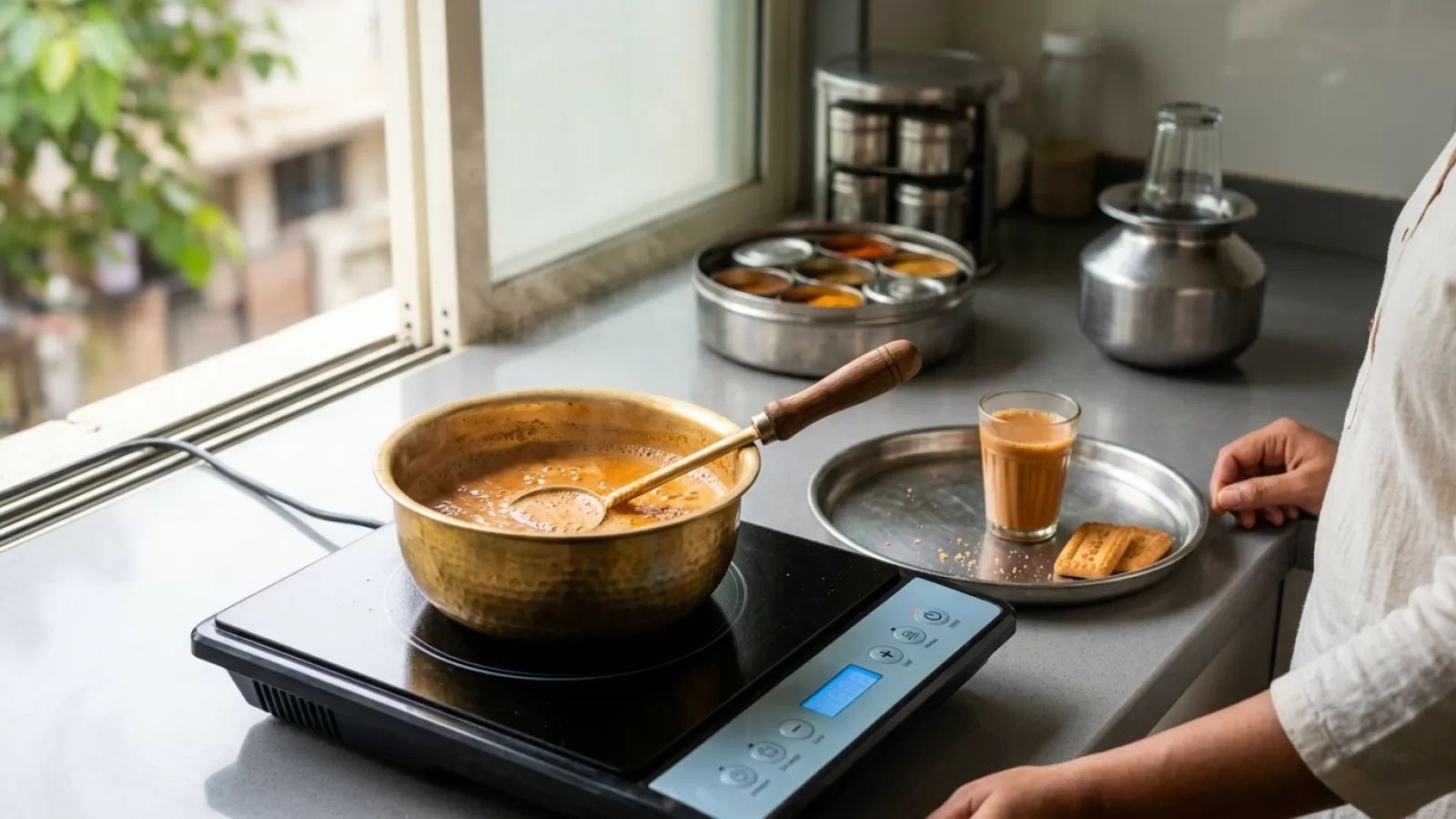
There’s a quiet moment, often just before the alarm rings, when you know you’re not looking forward to the day. In many Indian homes, this feeling tends to creep in slowly: those mornings when the smell of chai doesn’t quite perk you up, or the work laptop on the table feels unusually heavy. The pressure to stop burnout Indian professionals face isn’t about one dramatic breakdown—it’s the slow build over months of long workdays, late-night calls, skipped family dinners, and promising yourself that relief will come just after this week, this project, this quarter.
That said, the tricky part is that stopping burnout for Indian professionals doesn’t usually mean taking a dramatic step or announcing a day off. In most families, work is woven tightly into daily life. You find yourself replying to emails between spoonfuls of dal and rice, or squeezing in a client call while your child does homework beside you. Burnout builds quietly, almost invisibly, until it’s no longer possible to brush it aside.
Why Burnout Builds Slowly in Indian Professional Life
Burnout is not just about feeling tired or stressed—it’s a deep, ongoing exhaustion that seeps into your mind and body. In India, the boundaries between work and home often blur, especially as many families share small spaces and multiple generations under one roof. For many, work-from-home setups mean that dining tables double up as office desks, and the office hour never really ends.
Work culture in Indian offices, whether in tech parks in Bengaluru or government offices in smaller towns, tends to reward those who put in “extra effort.” Staying late, always saying yes, and rarely complaining are often seen as signs of dedication. That expectation, combined with the pressures of managing family responsibilities, home chores, and sometimes even elder care, means that the load rarely eases.
In many homes, career advancement is not just about personal growth—it’s about providing for the family and meeting the hopes of parents, spouses, and children. This keeps you going even when your mind and body are asking for a break. It’s not laziness or weakness; it’s a reflection of how deeply work is tied to self-worth and family stability here.
Why the Pressure to Keep Going Feels So Strong
There’s a saying in many Indian circles: “Just adjust.” Most people are taught from childhood to keep going, to not complain, and to push through discomfort. In offices, those who voice their exhaustion often worry about being seen as less capable. At home, sharing feelings of burnout may be met with reminders of hard times faced by previous generations or gentle nudges to “just rest on Sunday.”
Work-from-home has made it even trickier. When your kitchen is in earshot of your workspace, it’s easy to keep working while stirring sabzi or answering a call during lunch. Many professionals in India find themselves working through power cuts, juggling family needs, or even fielding work calls while travelling on crowded trains or buses.
Human resource managers often find that Indian professionals rarely ask for help until the signs of burnout become disruptive—like missing deadlines or falling ill. The pressure to meet expectations, combined with a sense of duty to both employer and family, means early warning signs are easy to dismiss.
Clues That Burnout Is Sneaking Up On You
- Constant Fatigue That Doesn’t Go Away: Even after a Sunday spent at home or a full night’s sleep, you wake up tired. The heaviness lingers through breakfast, mid-morning chai, and beyond.
- Loss of Interest in Work You Once Enjoyed: That first day when opening your laptop feels like a burden, or you find yourself zoning out during meetings you used to lead with energy.
- Getting Irritated Easily at Home and Work: Small things—like a slow internet connection or a noisy street—feel impossible to tolerate. You snap at family members or coworkers over minor issues.
- Frequent Forgetfulness or Mistakes: Missing deadlines, overlooking small but important tasks, or struggling to remember details that were once second nature.
- Physical Signs Without Clear Cause: Headaches, stomach problems, or body aches that don’t have a clear medical reason, often showing up during periods of high stress.
It’s easy to brush these off as “just a phase” or blame the weather, but when these patterns continue for weeks or months, they are usually early burnout signs Indian adults experience before real trouble sets in.
Simple Shifts That Make a Difference in the Early Stages
- Draw a Firm Line for After-Work Hours: In many families, work blends into evenings. Try setting a fixed time to shut down your laptop and step away, even if it means leaving a few emails for the next morning. This habit can help prevent professional burnout in India by giving your mind a real pause.
- Build Micro-Breaks Into Your Day: It’s not always possible to take long breaks, especially for those managing both home and office from the same space. But standing up to stretch, making a cup of chai, or even just stepping onto your balcony for five minutes gives your mind and body a short reset.
- Share the Load at Home, Even in Small Ways: Many working professionals, especially women, shoulder most of the household responsibilities in addition to work. Asking family members—children, spouse, elders—to help with simple chores (like cutting vegetables or folding laundry) can lighten your burden, making it easier to avoid burnout in Indian work life.
- Rethink What “Productive” Means: There’s often an unspoken rule that busier means better. Try focusing on a few key tasks each day instead of completing every single thing on your list. Some days, making simple khichdi for dinner instead of an elaborate meal is more than enough.
- Talk About It—Even If It Feels Odd: Mention to a trusted coworker or family member that you’re feeling unusually tired or overwhelmed. Sometimes, just voicing your struggle makes it easier to see what needs to change and can help stop burnout in Indian professionals before it’s too late.
When Burnout Creeps Into Everyday Indian Routines
In a kitchen in Nagpur at 6am, the ceiling fan stirs up the warm breeze as the first pressure cooker whistle sounds. The city is waking up, but the person in the kitchen already feels exhausted—last night’s client call went late, and the next online meeting is just an hour away. The usual excitement for a hot cup of tea and the radio’s morning news is missing. Instead, there’s a sense of running on autopilot: making rotis, packing tiffins, answering work messages, all while feeling drained before the office day has even started.
This is how burnout often shows up for Indian professionals—not as a dramatic collapse, but as a steady leak of energy and joy from the ordinary moments. By the time you notice something is wrong, it’s already begun to affect both your work and your family life. That’s why stopping burnout for Indian professionals must start early, with small but steady changes to break the cycle.
How to Recognise When It’s Time for Professional Help
Sometimes, even after making changes at home and work, the exhaustion won’t lift. If you find yourself unable to cope with daily tasks, losing interest in everything (not just work), or feeling hopeless for weeks, it may be time to speak to a doctor or counsellor. Many people in Indian families hesitate to seek help, but early support can make a big difference. Safe spaces for these conversations are growing, even if they still feel unfamiliar.
Common Questions
Many Indian professionals wonder if what they’re experiencing is just regular tiredness or something more serious. It’s common to feel unsure about when to act, how much to share, or whether small changes really help. These questions come up in homes and offices across cities and towns every week—let’s address them in detail, grounded in daily Indian realities.
What are the earliest warning signs of burnout in Indian professional life that most people miss until it is too late?
The first signs are usually subtle. For example, a working professional commuting in Bengaluru might feel unusually irritable after small traffic delays—something they handled just fine last year. Or, after finishing dinner, you find it difficult to remember what was discussed during a meeting. Many families in Indian cities have quietly discovered that when everyday enjoyment fades—like looking forward to weekend poha or chatting with children—it’s often an early burnout sign Indian adults overlook until exhaustion sets in.
How do you address early burnout in Indian work culture where pushing through is expected and admired?
Start with small, consistent changes. For instance, say no to extra projects when possible, or take five-minute breaks to stretch during long calls. Share your struggle gently with a trusted colleague or family member. Fitness coaches who train working adults often find that most movement in Indian homes comes from daily tasks, not planned exercise, so weaving in small pauses during chores can help. It’s not always easy, but these micro-steps make a difference, even in “always-on” Indian office environments.
Is it possible to prevent burnout in Indian professional life without significantly changing the job or the workload?
Yes, small changes can go a long way. Many families have found that setting clear boundaries, such as no work calls during dinner, helps. Swapping late-night screen time for a quiet walk or chatting with family can provide rest. While it’s not always possible to change jobs or workloads in India, regularly taking micro-breaks and sharing responsibilities at home are practical ways to prevent professional burnout in India before it becomes serious.
How do you explain to a manager or family that you are approaching burnout in a culture where that is rarely acknowledged as valid?
Use relatable language and examples. For instance, you might say, “I’m finding it harder to focus after long days, and it’s affecting my work.” Or, “I’m feeling so tired that I’m not able to enjoy time with the family.” In Indian homes, connecting it to visible changes (like missed meals or irritability) helps others understand. Managers are slowly becoming more aware, especially as more people speak up about needing support to avoid burnout in Indian work life.
When does professional burnout in Indian adults require professional support rather than lifestyle adjustment?
If you notice ongoing sadness, hopelessness, or you’re unable to perform basic daily tasks, it’s time to consider professional help. For example, if even a restful weekend or support from family doesn’t bring relief, or if your physical health is suffering without clear reason, it’s best to speak with a doctor or mental health professional. Many Indian adults wait too long, hoping things will improve on their own, but reaching out early can prevent deeper problems.