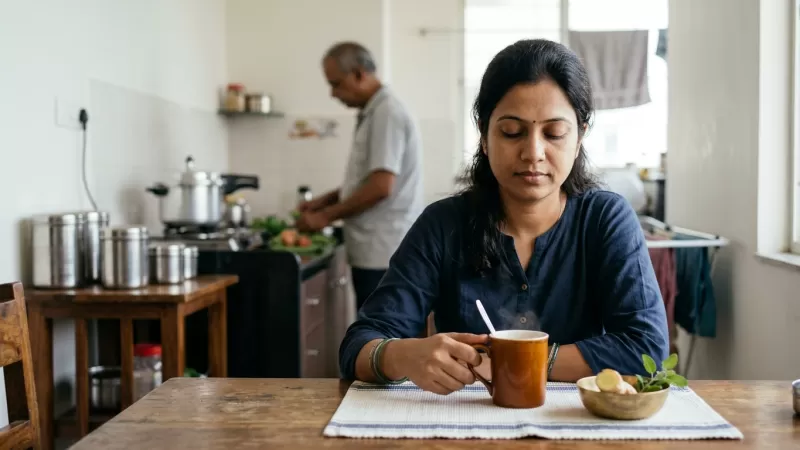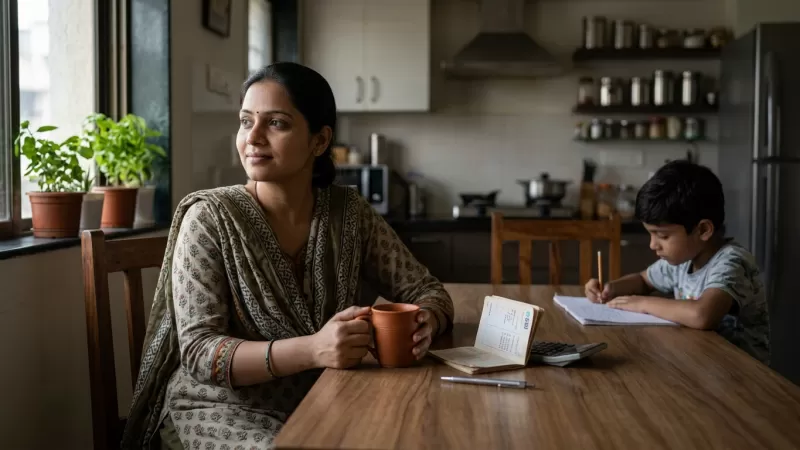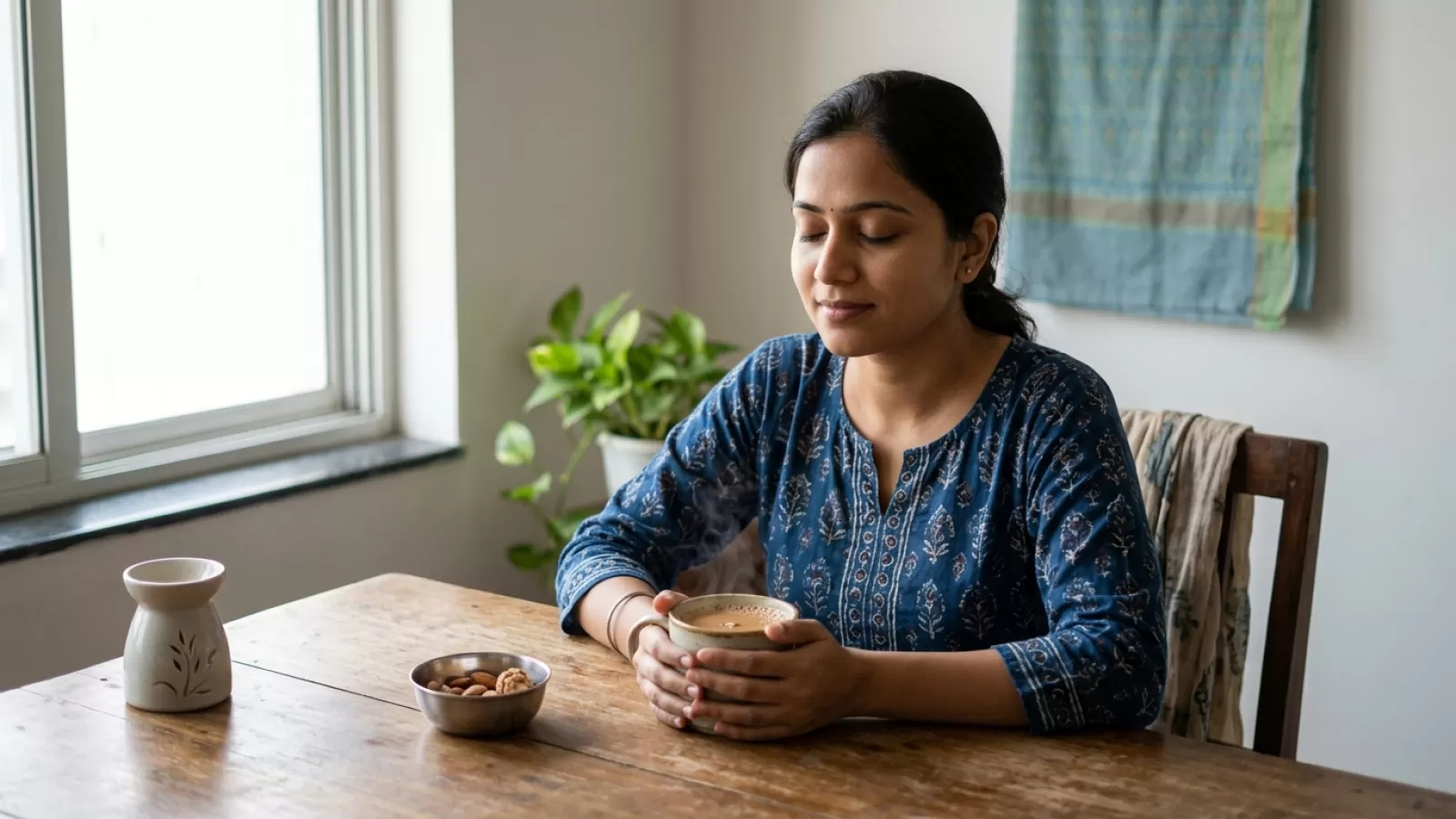
Most of us carry around a quiet weight, tucked away in our shoulders, jaws, or even our stomachs. It’s the kind of tension you don’t notice until you finally sit down for a cup of chai after a long day, or when you lie awake at night, unable to truly relax. This build-up often comes from unspoken words, disagreements at work, or even the tiny frustrations of family life that add up over time. In many Indian homes, letting these feelings out openly isn’t always comfortable or possible. But there are ways—gentle, private ways—to ease this emotional strain, and you can do them right where you are, in the comfort of your own home.
Understanding Emotional Tension in Daily Indian Life
For most people, stress isn’t a sudden storm. It’s more like humidity in Mumbai during monsoon—it creeps in, stays for a while, and sometimes you only notice it when you’re exhausted. Emotional tension can come from anything: a disagreement with your spouse, a child’s exam pressure, or even the worry of aging parents' health. Sometimes, it’s the pressure to keep things running smoothly or to keep everyone happy.
In many families, there’s a tendency to "just move on" or "not make a fuss." But those feelings don’t really disappear; they usually find a spot somewhere in your body. Maybe you find yourself clenching your jaw during a tough phone call, or your shoulders creeping upwards as you juggle work and home demands. It’s common, even if hardly anyone talks about it openly.
These days, with fast-paced routines and less personal space, it gets even harder to process feelings in a healthy way. That said, the good news is, you don’t need anything fancy to start feeling lighter. Small, gentle habits at home can help you release tension without anyone noticing.
The Simple Power of Conscious Breathing
Breathing is something we all do, but most of us rarely pay attention to it—unless we’re out of breath climbing stairs or during a coughing fit. Yet, the way you breathe can quietly help your body release emotional tension.
Here’s the catch: during stress, people tend to take short, shallow breaths. This makes your body feel as if it’s always on alert. To break this cycle, try setting aside two or three minutes (maybe after closing the kitchen at night or before you get up from bed) to notice your breath. Just observe it, without forcing anything.
- Sit comfortably, keep your back straight, and close your eyes if you like.
- Inhale slowly through your nose, counting to four.
- Pause for a moment, then exhale through your mouth, counting to six.
- Repeat for 6-8 cycles.
You may notice your shoulders dropping, or your heart rate slowing down. Even if you don’t feel much at first, it tends to get easier with practice. And no one around you needs to know—this can be your quiet moment of release.
Gentle Movement You Can Do in Everyday Clothes
Not everyone has time or energy for full workouts, especially after a long day of cooking, working, or managing children. But gentle movement doesn’t mean you have to roll out a yoga mat or put on exercise gear.
Try this: as you go about your day, pay attention to places where you feel "stuck"—maybe your neck feels stiff after working at the dining table, or your legs ache after standing in the kitchen. You can release some of this tension through small stretches or movements.
- Circle your shoulders slowly a few times—forward, then backward.
- Gently roll your neck from side to side, breathing out as you go.
- Stand up and reach your arms overhead, stretching upwards like you’re trying to touch the ceiling.
- Shake out your hands and feet for a few seconds.
These movements may seem too simple, but over time, they help your body let go of hidden stress. It’s a bit like stirring dal gently so it doesn’t stick to the bottom—small actions prevent big problems later.
Creating a Quiet, Personal Ritual
Many people find comfort in small routines—lighting a diya in the evening, sipping tea while looking out the window, or even just watering plants on the balcony. Creating a personal ritual doesn’t have to be spiritual or dramatic. It’s about giving yourself a few minutes where you aren’t performing for anyone else.
The trick here is consistency, not complexity. Maybe you spend five minutes in a quiet corner with your favorite book, or you listen to a soothing song after lunch. You could even just sit quietly and look at the sky.
- Light a candle or diya and watch the flame—it’s calming for many.
- Write down one thing that bothered you today (and then tear up the paper if you wish).
- Listen to soft instrumental music with your eyes closed.
These rituals signal to your mind that it’s okay to slow down. Over time, they become a safe space for emotional release, even if it’s just a few minutes a day.
Using Familiar Home Comforts to Soothe Your Senses
In Indian homes, comfort often comes in small, familiar ways—a warm glass of milk before bed, the scent of fresh coriander in dal, or the cool touch of a wet towel on the face during summer. Engaging your senses can gently tell your body that it’s safe to let go of tension.
For some, it’s the aroma of masala chai or the sound of a pressure cooker in the background. For others, it might be the feel of your favorite cotton kurta or the softness of your pillow.
- Prepare a simple, soothing drink like jeera or tulsi water and sip it quietly.
- Wrap yourself in a soft shawl or use a warm compress on tense areas.
- Notice the colors, textures, and scents in your home—sometimes even arranging fresh flowers or cleaning a corner can be surprisingly calming.
These comforts aren’t about indulgence—they’re about sending gentle signals of safety to your mind and body. You might even find that, after a few minutes, the tightness in your chest or jaw has eased a bit.
Letting Out Emotions in Private Ways
Not everyone likes to talk about feelings, especially in front of family. But emotions need a way out, or they tend to show up as headaches, body aches, or irritability. There are quiet, private ways to let out what you’re holding inside, even if you’re not someone who enjoys long conversations.
- Try humming softly to yourself while doing chores—many people find this soothing.
- Write a letter to yourself or someone else (you don’t have to send it).
- Draw, doodle, or color, even if it’s just scribbles—sometimes hands know what words cannot express.
- If you feel tears coming, it’s okay to let them flow when you’re alone. It’s a natural release, not a weakness.
The important thing is not to judge yourself. In many families, people quietly deal with their burdens. Allowing yourself a private space to feel is a quiet act of self-care, not selfishness.
The Gentle Support of Nature and Fresh Air
When life gets heavy, many people find relief in stepping outside, even if it’s just on the balcony or at the window. There’s something about fresh air, the rustle of leaves, or even the distant sound of children playing that helps you feel less trapped by your own worries.
You don’t need a big garden. Sometimes, sitting by an open window for a few minutes, watching clouds or the daily life outside, can quietly shift your mood. During winter, the late morning sun on your back can feel like a gentle hug; in the evenings, the cooler breeze can help clear your head.
If you can, try to bring a bit of nature indoors—a potted plant, a bowl of water with floating flowers, or even just opening the curtains to let in more light. These small touches make a difference, especially on days when things feel too much.
Accepting That It’s Okay to Have Bad Days
This might be the hardest part, especially if you’re someone who manages a lot for others. Many people feel guilty for feeling low or irritable, especially with so much to do. But the truth is, everyone has ups and downs—even those who seem calm on the surface.
Some days, you’ll do everything right and still feel tense. That’s normal. It’s okay if you can only manage a few deep breaths, or if you skip your ritual some days. The goal isn’t to be perfectly relaxed all the time—it’s to have a few ways to soften the weight, bit by bit.
Here’s something you might find oddly reassuring: even the smallest effort to care for yourself counts. Over time, these gentle habits can help you move through stress a little more easily, without needing to make a big show of it.
Most people won’t notice the changes, but you will. And sometimes, that’s enough.