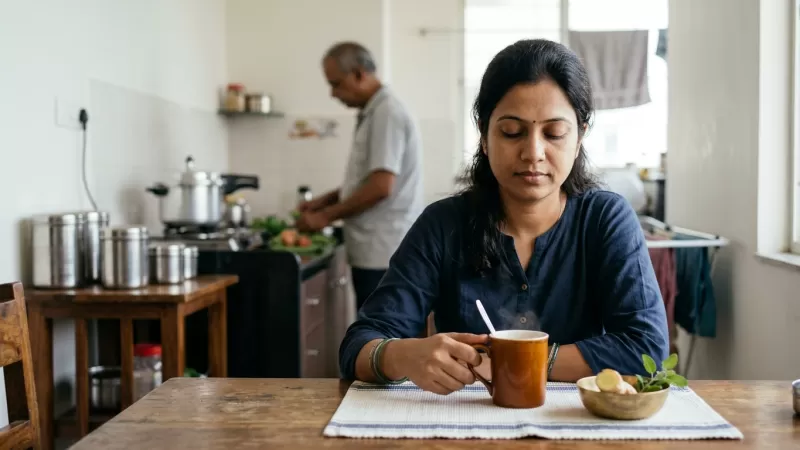
It’s surprising how much we all hold in during our regular days. Maybe it’s a rude auto driver, a child’s sharp tone, a colleague’s careless email, or simply the heat and noise outside. Most of the time, these little things just slip by, barely noticed. But over weeks or months, they can build up—almost like dust collecting behind the sofa—until suddenly, you snap or feel completely drained. If this sounds familiar, you’re not alone. Many families quietly deal with these hidden irritations, not out loud but in small ways—a slammed door, a heavy sigh, or just a feeling of restlessness that lingers through the evening.
Why Small Annoyances Add Up
In Indian homes, life moves quickly. Morning routines are rushed with tiffin packing, school drop-offs, and office calls starting early. By the time you sit down with a cup of tea, you’ve already brushed off several small irritations. Often, we tell ourselves it’s nothing, or we shouldn’t complain. But honestly, these tiny frustrations don’t magically disappear. They tend to hide somewhere in the background, waiting for a chance to come out—sometimes in ways we don’t expect.
You may find yourself snapping at someone you care about, feeling unexplainably tired, or just wanting to be left alone. That’s the catch: when we don’t notice or address these small irritations, they pile up. It’s not about being weak or over-sensitive. It’s just how our minds work, especially when we’re stretched thin.
There’s no need to feel guilty about this. It’s normal, and it happens in most homes, even if nobody talks about it openly.
What Does "Grounding" Actually Mean?
These days, you might hear people say you should “ground yourself” when you’re upset. But what does that really mean? In simple terms, grounding is just a way to bring your attention back to the present moment, instead of letting your mind run wild with worries or irritations. It’s not about meditation or deep self-analysis (unless you enjoy those). It’s more about simple, practical actions that help you feel steady and less overwhelmed.
Think of grounding like holding onto something steady during a storm. It gives you a moment to pause, breathe, and remember: you’re here, right now, and you can handle this—one step at a time.
The best part? It doesn’t have to be complicated or time-consuming. In fact, some of the most effective grounding practices fit easily into a regular Indian household routine.
Why You Don’t Need Intense Self-Analysis
Some advice out there suggests digging deep into every feeling or tracing each irritation back to its root. That can be helpful for some, but for most people—especially those with busy schedules or family obligations—it’s simply not practical. After all, who has the time or energy to analyze every passing annoyance?
There’s nothing wrong with just acknowledging that you’re a bit irritated, tired, or fed up. No need to argue with your feelings or force yourself to see the “bright side” every time. Sometimes, a gentle acceptance does more good than overthinking.
Grounding is about small actions that help you move forward, not endless self-talk or debate. In many homes, this approach feels more natural and manageable.
Simple Grounding Practices for Everyday Life
Here’s the good news: you don’t need fancy tools or special training to ground your emotions. Most of these practices use things you already have at home. The aim is to gently shift your focus and help your mind settle, even for a few moments.
- Feel water on your hands: Washing your face, rinsing your hands, or even splashing cool water can bring immediate relief, especially after a heated moment or a stressful phone call. You’ve probably noticed how this simple act tends to reset your mood, especially during summer.
- Tune into familiar sounds: Listen to the hum of the ceiling fan, the sizzle of tadka, or the distant call of a street vendor. Allowing yourself to notice these sounds, even briefly, helps anchor your mind.
- Touch something textured: Hold your steel glass, feel the roughness of your cotton saree, or run your hand over a wooden table. These tiny sensory experiences can quietly shift your attention away from irritation.
- Notice your breath: No need for fancy breathing exercises. Just pause and feel your breath—how it comes in, how it goes out. This can be done anywhere, even while waiting for the pressure cooker to whistle.
None of these take much time. They’re about small pauses, not big routines.
How Food and Routine Can Help
It’s not a myth—what and how you eat affects your mood. In Indian families, mealtimes are often rushed, especially when everyone’s schedules are different. Skipping meals or eating chaotically can make you feel more irritable or tired.
Try to stick to familiar foods (dal, rice, simple sabzi, curd) when you’re feeling off. These comfort foods don’t just nourish your body; they also signal safety and routine to your mind. There’s a reason so many of us turn to khichdi or homemade soup when we’re feeling low.
If possible, sit down for at least one meal without screens or distractions. Even if it’s just ten minutes of quiet, this small act can ground you in the middle of a busy day.
Gentle Movement in Small Spaces
When emotions build up, your body often feels tense—shoulders tight, jaw clenched, maybe even a headache. You don’t need to join a gym or start an intense workout. Sometimes, just moving gently through your home is enough to release some of that tension.
- Walk slowly from one room to another, paying attention to your steps.
- Stretch your arms above your head or out to the sides—nothing fancy, just a good stretch.
- If you’re standing at the stove, roll your shoulders or gently twist your torso.
- During a phone call, pace around or sway side to side instead of sitting stiffly.
These movements aren’t meant to burn calories or shape your body. They’re simply ways to remind yourself you’re here, in this space, and capable of handling the moment.
Letting Others Know—Without Drama
One thing that can help is quietly letting family members know when you’re feeling a bit off. You don’t have to make a big announcement or start a heavy conversation. Sometimes, a simple line—“I’m a bit tired today,” or “Can you give me a few minutes?”—is enough. Most people will understand, even if they’re busy themselves.
In many homes, everyone is dealing with their own little irritations. Being honest about your mood (without blaming anyone) can actually make the atmosphere lighter. You might even find others open up too, and suddenly, the pressure eases for everyone.
That said, not every family is used to talking about feelings. If it feels awkward, just try it in small ways. Even a sigh or a gesture can communicate your need for a pause.
Making Space for Yourself—Even in a Full House
If you live in a joint family or a small flat, finding personal space can be tricky. But you don’t need a separate room or a long break to ground yourself. Sometimes, just stepping onto the balcony, standing by an open window, or sitting quietly with a cup of chai does the trick.
Here are a few ways to carve out small moments:
- Close your eyes for a minute while sitting at the dining table.
- Step outside to water the plants or feed the birds—these small tasks can be grounding.
- Take an extra minute in the bathroom to splash water on your face or just breathe.
- Listen to a favorite old song while folding clothes.
It’s not about escaping your responsibilities, but about giving your mind a tiny break so you can come back steadier.
Over Time, Small Habits Make a Big Difference
None of these grounding practices are magic solutions. They don’t erase all stress or make life perfect. But when you use them gently and regularly, you’ll probably notice that emotional crashes become less dramatic or less frequent. The build-up of irritation doesn’t disappear, but it softens, making your days feel a little more manageable.
It’s okay to have rough days and moments when nothing works. That’s just part of life, especially with the ups and downs of Indian households. The important thing is that you’re not alone, and you don’t have to handle everything perfectly. Sometimes, taking a moment to ground yourself is the kindest thing you can do—not just for you, but for everyone around you.
After all, even a small pause can help you find your footing again, no matter how busy or noisy life gets.