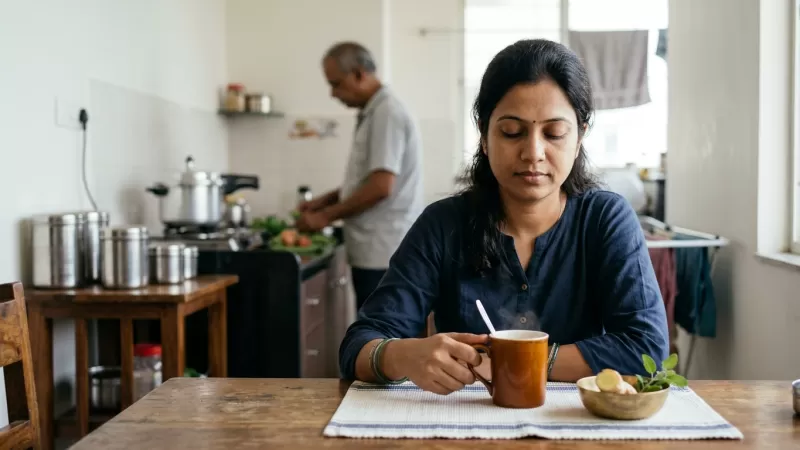
It’s that time of year again—someone sneezes, your throat feels a bit scratchy, and before you know it, your mind starts racing: Is it just a cold, or something more? In many Indian homes, especially during the changing seasons, these thoughts quietly creep in. You want to trust your body to recover, but the worry just lingers. If you find yourself spiraling into health anxiety over minor symptoms, you’re not alone. Here’s a gentle, practical guide to help you break free from those racing thoughts and find comfort—right in your own home.
Understanding Why Health Worries Linger
Let’s be honest—these days, a minor cough or fever can set off alarms in your mind. We’ve all heard stories of serious illnesses starting with small symptoms, and sometimes, the news or WhatsApp forwards don’t help. In joint families, someone might mention a distant relative’s experience, making it feel even more real.
The tricky part is, your brain is just trying to protect you. It’s natural to be cautious, but when the worry grows out of proportion, it can leave you feeling tired, distracted, or even a bit hopeless. Many people silently struggle with this—especially those who have kids, elderly parents, or their own health history to think about.
It might help to remember: mild symptoms, especially during winter or monsoon, are extremely common. Most of the time, your body really does know how to heal itself.
Breathing Techniques You Can Use Anytime
When your mind is racing, your breath often becomes shallow without you even realising it. Slow breathing can be a surprisingly powerful way to ground yourself. You don’t need fancy techniques—just something simple that fits into your daily routine.
- 2-4-6 Breathing: Breathe in for 2 counts, hold for 4, and breathe out for 6. Do this three or four times. It’s easy to remember, even in the middle of a busy kitchen or late-night worry.
- Counting Breaths: Just notice your breath. Silently count each inhale and exhale up to ten, then start again. If your mind drifts (and it probably will), that’s okay—just return to counting.
You might notice your shoulders relaxing after a few rounds. It’s a small thing, but in many homes, this quiet breathing can make a difference—even during noisy mornings or when dinner is late.
Finding Comfort in Familiar Routines
You've probably noticed that daily routines—like making chai, folding clothes, or watering plants—have a calming effect. There’s something about familiar tasks that grounds you, especially when your mind feels out of control.
Try gently focusing on the sights, sounds, and smells around you. When you wash your hands, feel the water. When you prepare dal, notice the aroma and the rhythm of stirring. These aren’t distractions, but simple ways to bring your attention back to the present moment.
If you’re struggling to focus, it’s perfectly normal. Some days, even small chores feel overwhelming. But often, these little rituals can quietly anchor you when anxiety feels heavy.
Soothing With Warmth and Rest
Many Indian families turn to warmth for comfort—a cup of ginger tea, a soft shawl, or even a hot water bag on a sore back. There’s something reassuring about it, especially in the evenings when worries tend to grow.
Rest is another gentle tool. You don’t need to force yourself to sleep if you’re anxious. Just lying down, closing your eyes, and letting your body be still for a while can make a difference. Some people find that a short nap or a quiet sit by the window helps break the cycle of worry.
Here’s the catch: It’s easy to feel guilty for resting, especially if chores pile up or someone needs you. But your body and mind both need breaks—sometimes, just five or ten minutes is enough.
Limiting the Information Overload
These days, you can find endless information about symptoms online, and not all of it is helpful. Scrolling through articles or group messages can make small worries grow bigger, especially late at night or when you’re alone.
- Try to set a limit on how often you check for health information. Once or twice a day is usually enough.
- If you’re tempted to Google every symptom, consider asking a trusted family member to help filter what’s actually useful.
- If something you read makes you more anxious, it’s okay to step away and focus on what’s happening in your own home, not just on a screen.
You don’t have to know everything right away. Often, less information means less anxiety.
Gentle Distractions That Really Work
Sometimes, your mind just needs a break from itself. Gentle distractions—like listening to soft music, watching a favorite old movie, or even chatting with a neighbor—can help shift your focus.
Here are a few ideas that tend to work well in Indian households:
- Sorting old photos or recipe books
- Calling a childhood friend or sibling for a light conversation
- Watering balcony plants or tending to a small garden
- Doing easy stretches while watching TV
These aren’t solutions, but they do offer moments of relief. Sometimes, that’s all you need to get through a tough hour.
Trusting Your Body’s Recovery Process
This part isn’t easy—especially when every cough or headache feels suspicious. But in most cases, your body is stronger than you think. Every day, people recover from minor colds, fevers, or stomach upsets at home, using simple foods and rest.
Warm dal, khichdi, or nimbu pani have comforted generations. If you’re eating, drinking enough water, and resting, you’re already doing a lot to help yourself heal.
Of course, if something feels truly unusual or severe, it’s wise to check with a doctor. But for everyday symptoms, gentle care and patience often help more than worry does.
When Worry Still Feels Too Much
Sometimes, no matter what you try, the anxiety just sits there. It can make you irritable, tired, or even tearful. Many families quietly deal with this, especially after stressful events or during uncertain times.
If you find yourself stuck in loops of worry for days, it’s okay to share your concerns with someone you trust. Sometimes, just talking things out—without expecting solutions—can ease the load.
Remember, feeling anxious doesn’t mean you’re weak or failing. It’s a sign that you care, and that you’re trying your best. Small steps, gentle routines, and a little kindness towards yourself can help release that lingering tension, one day at a time.