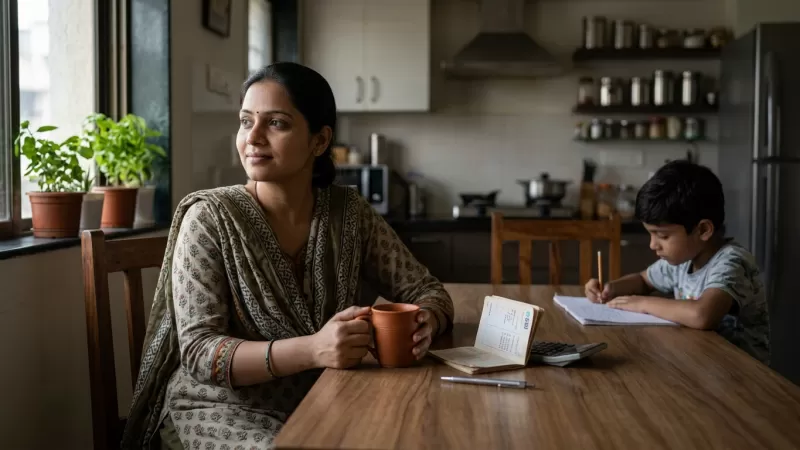
Sometimes, even if your body is resting quietly—maybe you're lying down after a long day or sitting with your evening tea—your mind just won't settle down. Thoughts keep buzzing, worries linger, and it feels like true calm is always just out of reach. Many families in India quietly deal with this, especially on busy days, festival nights, or after watching the evening news. The mind can be restless even when everything else seems peaceful around you.
Why Restlessness Happens Even When You’re Still
Restlessness of the mind isn’t always easy to explain. It’s not just about having too much to do; sometimes, there’s no clear reason at all. You might finish all your chores, the kids are asleep, the house is quiet—but your thoughts keep running.
Often, this kind of restlessness arises from small daily stresses piling up: an argument in the morning, a long commute, worrying about a relative’s health, or just the pressure of juggling work-from-home and family expectations. These days, with so much happening online and offline, it’s common to carry the day’s noise into the night.
What’s tricky is that you can’t always "think" your way out of it. Sometimes, telling yourself to relax only makes things worse. That’s when gentle breath practices can help you slow down—without needing to learn fancy techniques or sit for long, strict meditations.
How Breath Affects the Mind
In most Indian homes, elders often remind us to "take a deep breath" when things get tense. There’s some quiet wisdom in that. Breathing and our emotional state are closely connected. When you’re upset, your breathing tends to become shallow and quick. When you’re relaxed, it slows down naturally.
This connection between breath and mind is something you can use to gently nudge yourself toward calm. You don’t need to control your breath perfectly or follow strict patterns. Just becoming aware of your breath, for even a few minutes, can begin to settle an overactive mind.
And here’s the catch: it’s not about forcing anything. If you’ve tried complicated breathing practices and felt more restless instead, you’re not alone. A softer, less structured approach often works better, especially when you’re already feeling unsettled.
A Simple Breath Settling Practice for Everyday Life
This practice isn’t about counting your breaths or holding them in any special way. It’s more like gently watching your breath as it comes and goes, without trying to change it. You can do this practice anywhere—in your bed, on a balcony, or even while waiting for your dal to simmer.
- Find a comfortable position. You don’t have to sit cross-legged; just relax your body.
- Close your eyes or keep your gaze soft.
- Notice your natural breathing. Don’t try to make it deep or slow—just observe.
- Each time your mind wanders, gently bring it back to your breath. No scolding, no pressure.
- Do this for 3–5 minutes, or longer if you feel like it. Even a couple of minutes can help.
That’s it. Some people find it helpful to place a hand on the chest or belly, just to feel the movement. There’s no right or wrong way here.
Making Breath Practice a Part of Your Routine
Fitting a new habit into daily life isn’t always easy, especially with busy mornings, late-night work calls, or family demands. Breath settling doesn’t require a fixed time. It’s a practice you can slip into different parts of your day.
Some families find a few minutes before dinner, after cleaning up, works well. Others try it right before bed, when the city’s noise finally quiets down. If you’re working from home, a short break between meetings can be surprisingly refreshing.
The idea is not to treat it like another task on your to-do list. Let it be gentle. Some days you’ll forget, and that’s fine. The main thing is to notice when your mind feels too full, and to remember this small pause.
What If It Feels Awkward or Pointless?
Many people give up on simple breath practices because they feel nothing is happening. You might get bored, irritated, or even more restless at first. That’s normal. The mind doesn’t always settle down just because you want it to.
Sometimes, it helps to lower your expectations. You’re not trying to "empty your mind" or reach some perfect calm. The real aim is just to slow the pace of thoughts a little, or to give yourself a small pocket of quiet in a full day.
If you find yourself feeling uncomfortable, try shifting your attention to the physical sensations of breathing (like the air moving in and out of your nose), or listen to the sounds around you instead. There’s no need to force yourself to sit still if you really can’t. Even a few mindful breaths while folding clothes or preparing chai can bring a bit of calm.
Using Breath Practices During Stressful Times
Festivals, exam seasons, or family gatherings can be lovely—and also exhausting. The house fills up, routines go out the window, and everyone’s emotions run high. In such times, breath settling can become a quiet anchor, even if you only find a minute or two for yourself.
You might notice your heart racing after a heated conversation or your chest feeling tight before a big event. That’s usually a good moment to pause and notice your breath, even if it’s just for a few cycles.
Children and elders can join in too. It’s not unusual for a grandmother to sit quietly on the veranda, eyes closed, simply breathing. These small moments can help the whole household stay a bit steadier, especially when life gets hectic.
Adjusting the Practice for Different Needs
Everyone’s body and mind are different. Seniors may prefer to practice sitting on a sturdy chair, while some busy professionals might do it at their work desk. Homemakers might find a minute in the kitchen, right before starting the next round of chores.
On days when you feel extra restless—maybe after a long day in the heat, or after hearing upsetting news—it might help to pair your breath practice with something comforting. For example, holding a warm cup of milk, listening to soft bhajans, or sitting near a window can make the experience more pleasant.
If you have any health concerns or breathing difficulties, always be gentle with yourself. The goal is comfort, not discomfort. If you’re unsure, it’s always best to do what feels right for you at that moment.
Small Reminders for Everyday Calm
In many Indian homes, quietness is woven into ordinary routines—lighting a diya at dusk, pausing before meals, or sitting together for a few silent moments in the evening. These small pauses are a natural way to settle the mind, even if you’ve never called them "breath practices" before.
Here are a few gentle reminders to help bring calm into your day:
- You don’t need to set aside a special time—use moments when you’re already sitting quietly.
- If thoughts distract you, it’s okay. Come back to the breath when you remember.
- Let your breath settle naturally; don’t try to control or deepen it unless it feels good.
- Consistency matters more than perfection. A little, done often, is better than a lot, done rarely.
Calm isn’t something you force. It’s something you allow, a little at a time.
Final Thoughts: Letting Go of Perfection
Many people think peace of mind is something you "achieve" by working hard at it, or by doing everything just right. The truth, as you’ve probably noticed, is that life is often unpredictable—some days are smooth, others are restless for no obvious reason.
Breath settling practices are not about fixing yourself, but about giving your mind a gentle break, whenever you need it. There will be days when it comes easily and days when it doesn’t. That’s normal.
So if you find your mind racing, even when your body is still, remember: sometimes all it takes is a few soft breaths, and the patience to let things settle on their own. No rush. No pressure. Just a bit of quiet, right where you are.