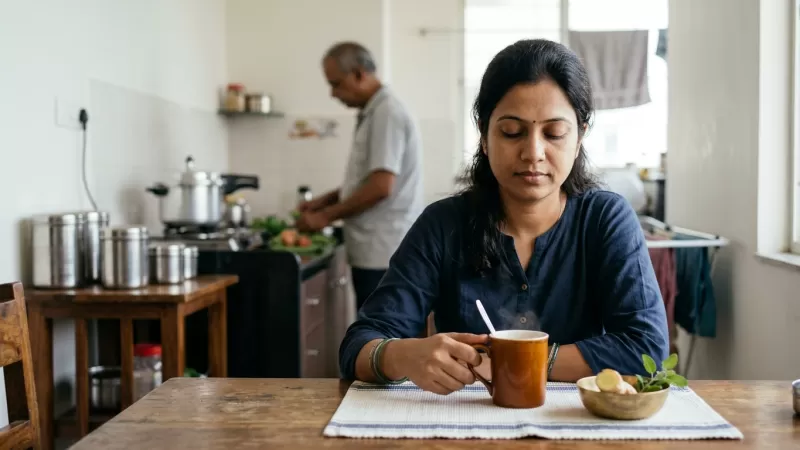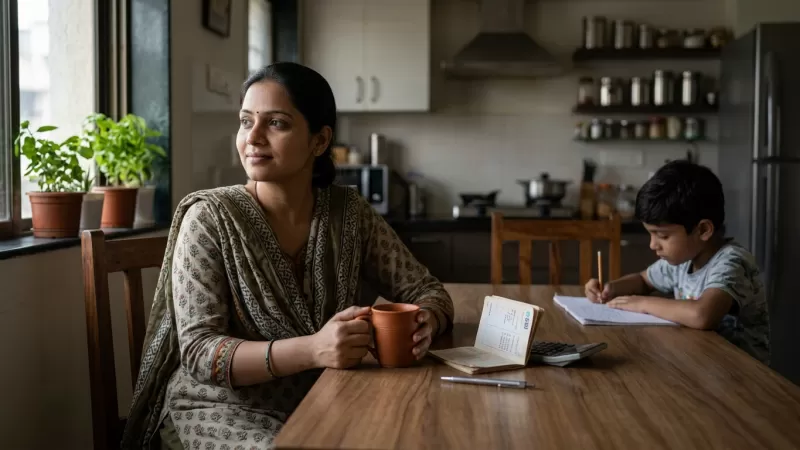
Some days just feel heavy, don’t they? Maybe you’ve been pulled in different directions, juggling family needs, work calls, WhatsApp messages, or just the steady stream of visitors and relatives who seem to pop in and out of Indian homes. When you finally get a moment to yourself, there’s this strange feeling: you’re tired, but also too wound up to fully relax. It’s emotional fullness—a kind of quiet crowding in the mind that doesn’t disappear with a cup of chai or a scroll through the news. In many homes, this feeling lingers late into the evening, making sleep restless or conversations a bit sharper than usual. The good news is, there are gentle, practical ways to soften these emotions and let some of that tension out, without needing to dig up old memories or force yourself to "fix" everything on the spot.
Recognizing the Signs of Emotional Fullness
Sometimes, you can tell you’re emotionally full just by how your shoulders feel—tight, almost hunched. Or maybe your mind keeps replaying a conversation from earlier in the day. It’s common to feel restless, easily irritated, or even just numb after a socially or mentally demanding day. Many people quietly deal with this, especially when every day seems busy in its own way.
Here’s the catch: emotional fullness isn’t always about big problems. It can simply be the build-up of many small moments—listening to a friend’s worries, handling work emails, or managing children’s moods. There’s no need to label these feelings as dramatic or unusual. They’re just part of life, especially in joint families or close-knit neighbourhoods where privacy is rare.
You might notice yourself sighing more deeply, feeling slow to respond, or wanting some silence but not knowing how to get it. Recognizing these little signals is the first step. It’s not about diagnosis, just gentle noticing.
Why Forcing Release Doesn’t Always Work
Many of us, especially during busy seasons like the school year or before festivals, try to push our feelings away or distract ourselves. Sometimes, people believe that if they just "think positively" or "let it go," everything will settle. But emotions, like stubborn old stains on a kurta, don’t always leave when you want them to.
Trying to force yourself to cheer up, analyze every thought, or even meditate with a strict agenda often backfires. You might become more frustrated, or end up feeling like you’re failing at something that’s supposed to help. This is especially true when you’re already tired or overwhelmed from a long workday or family gathering.
The truth is, emotional release is a gentle process. It’s more like letting steam slowly escape from a pressure cooker, rather than forcing open the lid. The mind and heart often respond better to soft, regular habits than to big, dramatic efforts.
Simple, Everyday Practices for Gentle Emotional Softening
There’s something comforting about turning to familiar routines when you feel full inside. You don’t have to set aside a special hour or buy anything new. Small, everyday actions can soften the mind and make space for release. Here are a few that tend to work well in many Indian households:
- Light tidying up: Folding clothes, washing the last few dishes, or arranging cushions can help your body move and your mind settle. It’s not about perfection—just gentle motion.
- Evening balcony time: Sitting quietly on the balcony or by a window, watching the streetlights or listening to distant sounds, can be surprisingly soothing. No phone, no agenda—just being there for ten minutes.
- Slow breathing: Not deep, forced breaths, but simply noticing the air coming in and out. Some people like to count to four as they inhale and exhale, especially before bed.
These may seem ordinary, but in real life, ordinary things are often the most helpful. They give your mind permission to slow down and process emotions at its own pace.
Using Familiar Senses to Calm the Mind
Indian homes are full of sensory comforts—scents from the kitchen, the feel of cotton bedsheets, the sound of a ceiling fan, or even the taste of warm haldi doodh. Engaging your senses gently can help release emotional tension without needing words or explanations.
For many, simply lighting a diya or agarbatti in the evening, or listening to soft bhajans or old film songs, brings a sense of quiet. Others might find calm in the ritual of making chai or peeling fruit slowly, noticing the smells and textures. There’s no right or wrong here—just finding what feels good to you.
- Wrap yourself in a favourite shawl or dupatta
- Splash cool water on your face and hands
- Let your bare feet touch the floor for a minute
Sometimes, these simple comforts do more than hours of overthinking.
The Role of Gentle Movement (Not Exercise!)
There’s often pressure to take up intense workouts or rigid yoga routines to “release stress.” But after an emotionally heavy day, what usually helps is softer movement—nothing that needs special clothes or equipment.
For example, stretching your arms overhead while standing in the kitchen, or rolling your shoulders gently while waiting for the pressure cooker’s whistle. Some people sway a little to music, or just walk slowly around the home, looking out at the night sky or checking on sleeping children. It’s about allowing your body to remember comfort, not chasing after fitness goals.
On sticky summer evenings, even fanning yourself with an old newspaper and letting your body rest can feel like a quiet release. The idea is to move without expectation, with kindness towards yourself.
Letting Emotions Flow—Not Analyzing Every Feeling
Here’s something you’ve probably noticed: the more you try to "solve" every emotional moment, the more tangled things get. In busy homes, especially with multiple generations, it’s normal for feelings to bump into each other. You don’t have to make sense of every mood or conversation. Allowing yourself to feel without judgment is often more healing than overthinking.
Some people find it helpful to speak out loud to themselves, just a line or two—“Today was a lot. I’ll rest now.” Others prefer to hum or sing softly, or even mutter a small prayer or mantra. This doesn’t have to be a performance—just a gentle way to let things move through you.
If you feel like crying, it’s okay. If you don’t, that’s okay too. Emotional release isn’t always dramatic or obvious.
The Quiet Power of Small Rituals
Most Indian homes have little rituals that mark the end of the day—putting away the day’s shoes, turning off the living room lights, or setting out tomorrow’s uniforms. These rituals, though practical, also signal to the mind that it’s safe to slow down now.
Lighting a diya, saying a short prayer, or even just sitting together for five minutes after dinner can create a sense of closure. If you’re alone, you might enjoy arranging your bedside table, or writing a single sentence about the day in a notebook. The aim isn’t to check off another task—it’s to give yourself permission to end the day softly.
During festival times, these rituals become even more important, as days get busier and emotions run higher. You don’t have to invent anything new—using the routines you already have is often enough.
On Days When Nothing Seems to Help
Some evenings, despite your best efforts, emotional heaviness refuses to lift. Maybe the day was just too much, or worries about family or finances are weighing on you. It’s common to feel a bit lost or impatient with yourself, especially when you see others seeming more cheerful or relaxed.
This is where gentle acceptance can make a difference. It’s okay to have off days, and it’s okay if your mind feels clouded for a while. You’re not alone—many families quietly deal with this, even if it isn’t discussed openly. On such days, simply doing the basics—eating a light meal, drinking some water, and lying down with a fan on—can be enough.
Sometimes, rest itself is the release your mind needs. Things often look different after a night’s sleep or a new morning.
Finding Your Own Way, Gradually
No single practice works for everyone, every time. Indian life is beautifully varied—what soothes a busy homemaker in Mumbai might not be the same for a retired couple in Jaipur or a young parent in Chennai. The idea is to notice what helps you feel softer, lighter, and less crowded inside, without needing to force or analyze too much.
Try different approaches gently, and don’t worry if your way looks simple or ordinary. Over time, small habits become reliable anchors. And remember, you don’t have to be perfect at this—just kind to yourself, especially on emotionally crowded days.
The world outside may be loud and busy, but your home—and your heart—can still find quiet ways to let go.