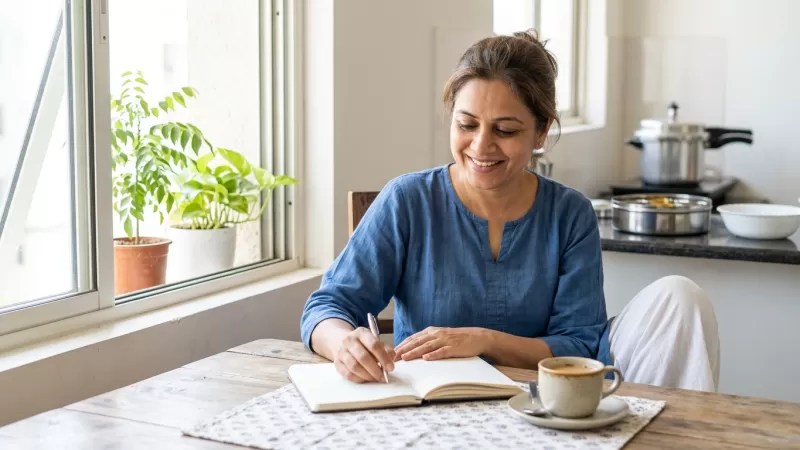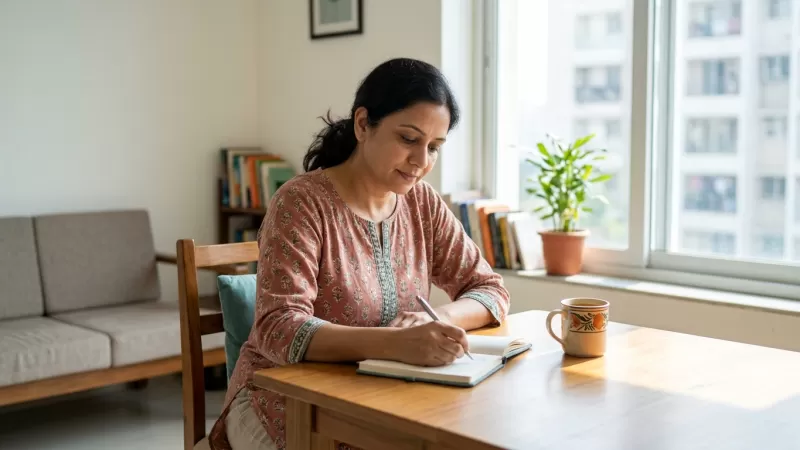
Some evenings in Indian homes, you might notice a strange hush. The house is full — the TV is on, pressure cooker whistles echo, someone is folding laundry — but there’s a quiet heaviness that settles in. Many Indian adults, especially those who seem steady through the wildest storms, carry emotional tension silently. For them, emotional tension release happens not through talking, but through small, non-verbal acts — sweeping the floor, stirring dal, or brisk walks during a power cut.
The thing is, in households where holding stress silently is almost a tradition, emotional tension release for Indian adults must fit into daily routines. You see it in the way a working professional in Pune, after a long day of video calls, quietly wipes down the kitchen counter or stands on the balcony with a palmful of makhana. Stress release silent Indian adults often look for comfort in movement, not words.
Why Indian Families Often Keep Emotional Tension Hidden
In many Indian homes, there’s a pattern: adults tend to hold stress silently, rarely letting others see cracks. This isn’t always about pride or emotional suppression as a flaw. Often, it’s because expressing stress in front of family — especially elders or children — can feel like adding a burden or breaking a sense of stability. People around you might already be managing their own share; why add one more worry?
It’s common to see the eldest at home — the one everyone relies on — quietly taking on extra chores, staying up late, or giving up small comforts during tough times. In joint families, space is shared, privacy is rare, and the expectation is to just keep going. Emotional tension release for Indian adults, then, often happens in ways that don’t draw attention: a longer shower, extra kneading of dough, or rearranging a shelf.
There’s also the cultural idea that talking about stress or showing vulnerability can be seen as weakness, or worse, as being self-centered. That said, many families in India have quietly discovered that movement, music, or even silent prayer can help ease the load — habits passed on, often without words.
Why Expressing Stress Isn’t Always an Option
There are deep reasons behind holding stress silently India. For starters, Indian culture puts a high value on emotional restraint, especially in front of elders or children. Many adults have grown up hearing, “Don’t complain, just do your work.”
For working professionals, the pressure to appear steady — at work and at home — often means swallowing stress until it shows up as headaches, digestive trouble, or sudden irritation. Fitness coaches who train working adults often find that most movement in Indian homes comes from daily tasks, not planned exercise. This shows how tension is managed quietly, through routine, not always through open expression.
In many households, being the reliable one means never letting your worries spill over. There is also a sense of protecting family harmony. If you’re the one who always keeps things together, it can feel safer to process stress internally, even if it’s hard on your body. And sometimes, speaking about your feelings just isn’t practical in a busy, shared household where everyone has their own struggles.
Small Signs That Stress Is Building Up
- Physical symptoms: Headaches, neck pain, sudden tiredness, or unexplained stomach issues often point to silent stress holding. These signs creep in gradually, usually on weekends or after a long stretch of work.
- Short patience for small things: Getting unusually irritated by minor household messes or loud noises is another clue. The stress might not be spoken, but it seeps into how you react.
- Sleep changes: Many adults who hold stress silently in India find themselves waking too early or feeling unrested even after a decent night’s sleep.
- Restless hands and feet: Fidgeting, tapping, cleaning, or pacing while on the phone — these movements are often the body’s way to discharge tension when words don’t come easily.
- Craving alone time: Suddenly feeling desperate for a few minutes alone in the kitchen or on the balcony, especially after family gatherings or work calls, is a subtle sign that your internal pressure is rising.
Everyday Habits That Quietly Help Release Emotional Tension
- Engage your body in routine movement: Mopping floors, sweeping, kneading dough for roti, or hand-washing laundry can become a form of emotional tension release for Indian adults. The repetitive movements help settle racing thoughts.
- Creative rituals: Doodling on old envelopes, arranging flowers, playing a musical instrument, or even humming quietly while making chai. These small acts allow tension to move through you, especially if you don’t prefer talking about your feelings.
- Short, silent walks: Many working professionals find that a brisk walk around the block after dinner or standing in the building lobby during a power cut gives their body a chance to shake off the day’s stress, without needing to explain anything to others.
- Handwork and fidgeting: Stringing beads, shelling peas, or even rolling out puris can help. The hands occupy the mind, letting difficult emotions pass in their own time. This is one of the most effective emotional release habits in India, especially for those who hold stress silently.
- Brief moments of sensory focus: Lighting a diya, smelling ground coffee, feeling cool water during handwashing — these tiny sensory pauses are a quiet way to reset, especially in busy homes.
The tricky part is, these habits only work if you give yourself permission to do them without guilt. They may look small, but over time, they help your body and mind let go of what words cannot carry.
Silent Stress Release in Everyday Indian Life
It’s not always dramatic. More often, it’s woven into the background of ordinary routines. During summer, when tempers run high and sleep is patchy, you’ll see someone meticulously arranging their spice box or wiping down the fridge. In many Indian homes, the one who rarely complains is the first to wake and the last to sit down — and their movements are just a little more forceful after a tough week.
A working professional commuting in Bengaluru might keep their headphones on after reaching home, not to listen to music, but just to create a bubble. Someone else might water the plants with extra care, or stay longer in the shower — not out of luxury, but because these are private spaces for quiet release.
Many families in Indian cities have quietly discovered that everyday chores, small creative acts, and even ordinary fidgeting can help release pent-up emotional tension. The release is subtle, but real.
When You Might Need More Than Routine Habits
If you notice that the usual movement or creative rituals aren’t helping, and you’re experiencing ongoing physical symptoms — like pain that doesn’t go away, constant stomach upset, or sleep that never feels restful — it may be time to check in with a doctor or a trusted professional. Sometimes, tension held silently for too long can turn into something the body can’t manage alone.
It’s not about weakness. In many Indian families, asking for support feels unfamiliar, but when daily habits stop working, your body is asking for help in its own way. A gentle, private conversation with your family doctor can be the first step.
Common Questions
Let’s talk through some of the most common concerns about emotional tension release for Indian adults who hold stress silently. Many of these questions come up in real homes, and sometimes it helps to see how others approach these moments. Here are some detailed answers based on everyday experience.
Why do some Indian adults hold stress entirely silently and what does this do to the body over time?
In many Indian families, adults feel responsible for keeping the peace and not worrying others. This habit often starts young and becomes a way of coping. Over time, holding stress silently India can lead to headaches, muscle tension, digestive issues, or even skin flare-ups. The body finds its own way to release what isn’t spoken. It’s not always obvious at first, but small signs — like tiredness, irritability, or an upset stomach — tend to build up if stress isn’t released through some form of movement or activity.
What are the most effective emotional tension release practices for Indian adults who do not naturally express stress outwardly?
For those who aren’t comfortable talking about stress, physical movement is often the best release. Sweeping, cooking, or even brisk walking can help. Creative activities like painting, singing softly, or gardening are emotional release habits India has relied on for generations. Silent rituals — lighting a diya, focusing on a scent, or taking cool showers — also help. The key is to find small, repeatable actions that feel natural in your daily routine.
Is it genuinely harmful to process stress internally and quietly rather than expressing it to others?
Processing stress quietly isn’t always harmful. Many Indian adults manage just fine without talking about every worry. But when holding stress silently India becomes the only coping style, it can start to affect the body. If you notice ongoing physical symptoms, trouble sleeping, or a heavy feeling that doesn’t go away, it might be time to try new ways of releasing tension — even if it’s through private, non-verbal habits.
How do you release significant emotional tension if talking about it does not feel natural or appropriate?
Many adults find relief through movement — cleaning, walking, or gardening. Some enjoy listening to music or singing softly while cooking. Creative acts like doodling or arranging flowers can help too. If you live with family, even spending an extra few minutes alone in the bathroom or balcony can give you the space to reset. Emotional tension release Indian adults trust often comes from these quiet, physical acts rather than open conversations.
When does held emotional tension in Indian adults become a physical or psychological health concern?
If you’re getting headaches, stomach issues, or sleep trouble that lasts more than a few weeks, or you notice increased irritability or sadness, it may be more than just everyday stress. In many homes, people wait too long before seeking help. If routine habits and movement aren’t helping, or if your ability to do daily tasks drops, consider speaking with a doctor. Sometimes, the body’s signals are a gentle nudge to pay closer attention.