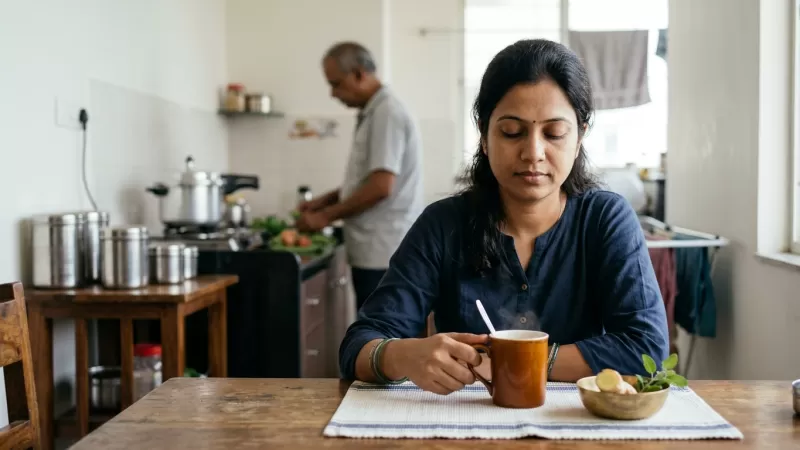
Some days, the pressure builds before you even realise it. A sharp word from a family member, a tough phone call with a relative, or a small disappointment at work—these things pile up quietly. In many Indian homes, you keep moving, handling chores, answering messages, finishing your daily routine. Yet, by night, a heaviness can settle in. This guide is about those everyday tensions that don’t seem big by themselves, but together, they can weigh you down. Let’s look at gentle ways to "settle" your emotions, soften the edges of your day, and help you find a little peace before tomorrow begins.
Why Small Tensions Accumulate
It’s quite common in our lives for small things to keep adding up. Maybe your morning started with a hurried breakfast, or you got caught in traffic, or perhaps someone in the house made a comment that stung. These things don’t seem serious at the time, but as the hours pass, you might notice a tiredness in your mood or a tightness in your chest.
Most families in India rarely get a perfect, quiet day. Someone’s always running late, someone else is frustrated, the phone rings with yet another demand. These minor irritations can stick to you, especially if you haven’t had a chance to talk them out or simply pause for a breather.
That said, you can’t always control what happens around you. What you can do is gently "settle" your feelings at the end of the day, so things don’t carry forward and get heavier tomorrow.
Recognising Your Own Signs of Overload
Sometimes, you don’t even realise you’re feeling tense until you snap at someone or lose patience over something small. This is very normal, especially when you’re juggling many roles—parent, spouse, worker, caretaker, and so on. These days, with blurred lines between work and home, it’s easy to miss your own warning signs.
You might notice, for example:
- Feeling unusually tired even if you’ve rested
- Finding it hard to focus on simple tasks
- A short temper or a sense of restlessness
- Little aches in your neck, shoulders, or back
- Not enjoying things you usually like (your evening tea, favourite TV show, or chatting with family)
None of these mean there’s something wrong with you. They’re just signals—like your mind and body asking for a little attention and care. The tricky part is noticing them before they turn into bigger problems.
Pausing: The Gentle Reset
One simple thing that often gets overlooked is the pause. Many of us move straight from one thing to the next—finishing office work, starting dinner, helping kids with homework, managing house help, and so on. You might feel that if you stop, everything will pile up even more. But sometimes, simply pausing for a minute or two can make a big difference.
Here’s how you can try this:
- After a tense moment (like a heated phone call), just sit down and take a few slow breaths before you get up again.
- Between finishing one chore and starting another, stand by a window and notice the sky or the sounds on the street.
- In the kitchen, while waiting for the dal to boil, lean against the counter and close your eyes for a few seconds.
It doesn’t have to be formal meditation or anything complicated. Just a pause, with your attention on your breath or surroundings, can give your mind a small reset.
Talking It Out—But Gently
In many families, people keep things to themselves, thinking it’s better not to burden others. But bottling up small hurts or irritations can make them grow bigger inside you. Sometimes, just saying something out loud—even if it’s just to acknowledge the feeling—can help you move past it.
This doesn’t mean you need to start a serious conversation every time you’re upset. It can be as simple as telling your spouse, “Today was a bit much,” or sharing with a friend, “I’m just feeling off.” You might be surprised how often the other person has felt the same way.
That said, not everyone finds it easy to talk, especially about emotions. If you find it awkward, you can even write down your thoughts in a small notebook at the end of the day. Sometimes, seeing your feelings on paper makes them easier to handle.
Simple Home Rituals for Emotional Settling
Small, familiar rituals can help signal to your mind that it’s time to let go of the day’s tension. These don’t need to be elaborate or spiritual—they just need to feel comforting to you. In many Indian homes, these rituals happen naturally, but you might not have thought of them as emotional settling.
- Evening chai on the balcony, without your phone
- Lighting a diya or incense stick at sunset, taking a slow breath while you do it
- Brushing your hair gently at night, feeling the day slip away
- Sitting with your feet in warm water for a few minutes before bed
- Listening to a favourite song from your school or college days
These small acts can be surprisingly effective at calming your nerves. The key is to do them with some attention—not just as chores, but as a way to gently signal, “The busy part of the day is over.”
Letting Go of Perfection—It's Okay to Have Bad Days
Here’s something honest: Not every day will end on a peaceful note, and that’s perfectly okay. There’s a lot of pressure these days to always be cheerful, productive, and positive. But in real life, especially in busy Indian homes, messy feelings are part of the deal.
If you find yourself replaying a small argument or worrying about an unfinished task, try to remind yourself that one tense day doesn’t mean tomorrow will be the same. Sometimes the best emotional settling practice is a simple, gentle acceptance: "Today was tough, and that’s alright. I’ll try again tomorrow."
You don’t have to fix everything before bedtime. A little self-kindness goes a long way.
Finding Comfort in Routine
There’s a reason why many elders in Indian families have a set routine. Routines can be a quiet anchor when life feels unpredictable. Even something as simple as making roti, folding clothes, or watering plants at the same time every day can give you a sense of control and calm.
When you feel unsettled, try leaning into your familiar routines rather than rushing through them. Notice the feel of dough in your hands, the sound of water running, or the smell of fresh laundry. You might find, after a few days, that these little routines help your mind settle, almost without effort.
Of course, some days get thrown off—late dinners, guests, or power cuts. But having at least one small routine to return to can be quietly comforting.
Gentle Movement to Loosen Tension
Physical movement, even the simplest kind, can help "shake off" the emotional tightness that builds up through the day. This doesn’t mean intense exercise or anything that feels like another task on your list. Think softer, more natural movements.
- Stretch your arms and shoulders while watching TV in the evening
- Take a slow walk around your home or on the terrace after dinner
- Sit on the floor and gently roll your neck or wrists
Many people in India already do this without thinking—like when you stand up after a long phone call and stretch, or when you rub your temples after a noisy day. These small movements tell your body that it’s safe to relax now. If you notice your body loosening up, your mind often follows.
When Tensions Linger: Accepting Help
Sometimes, no matter what you do, the tightness or anxious feeling doesn’t go away easily. Many families quietly deal with this, often thinking, "It’s just part of life." It’s true—life is rarely smooth. But if you find that little tensions are piling up to the point where you’re always restless, unable to sleep, or snapping more often than usual, it’s okay to reach out for help.
This could be as simple as talking to a trusted friend, spending more time with people who make you feel safe, or gently asking family members for a bit more understanding. In some cases, people find it helpful to speak with a counsellor or family doctor. There’s no shame in needing support, especially during difficult times.
For most people, though, small steps—pausing, talking, gentle rituals, and simple movement—make a noticeable difference over time. The main thing is not to ignore what you’re feeling. You’re not alone in this, even if it sometimes feels that way.
So, as you move through your day, remember: it’s the small, steady practices—done with kindness and patience—that help settle the mind and heart, little by little. Even on the busiest days, a few gentle moments can go a long way.