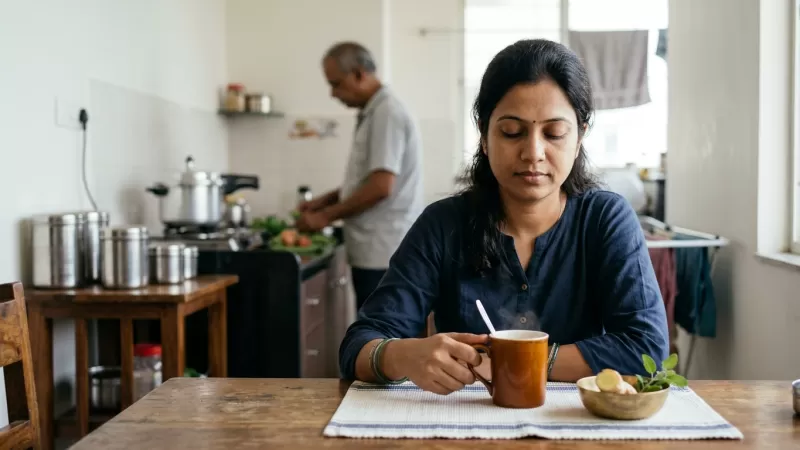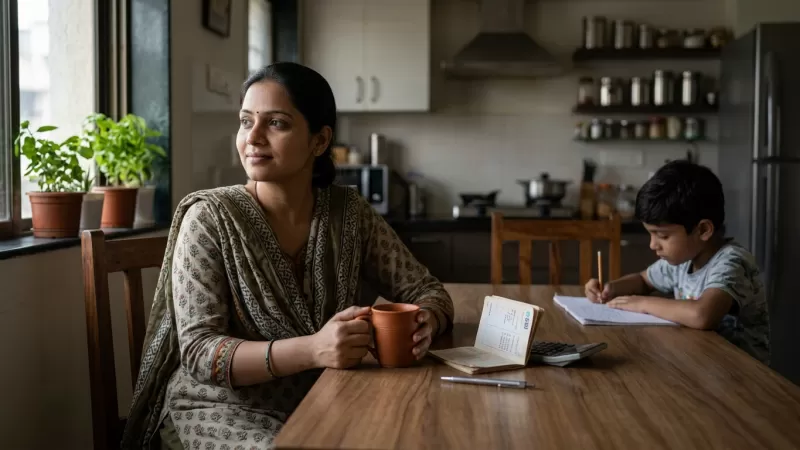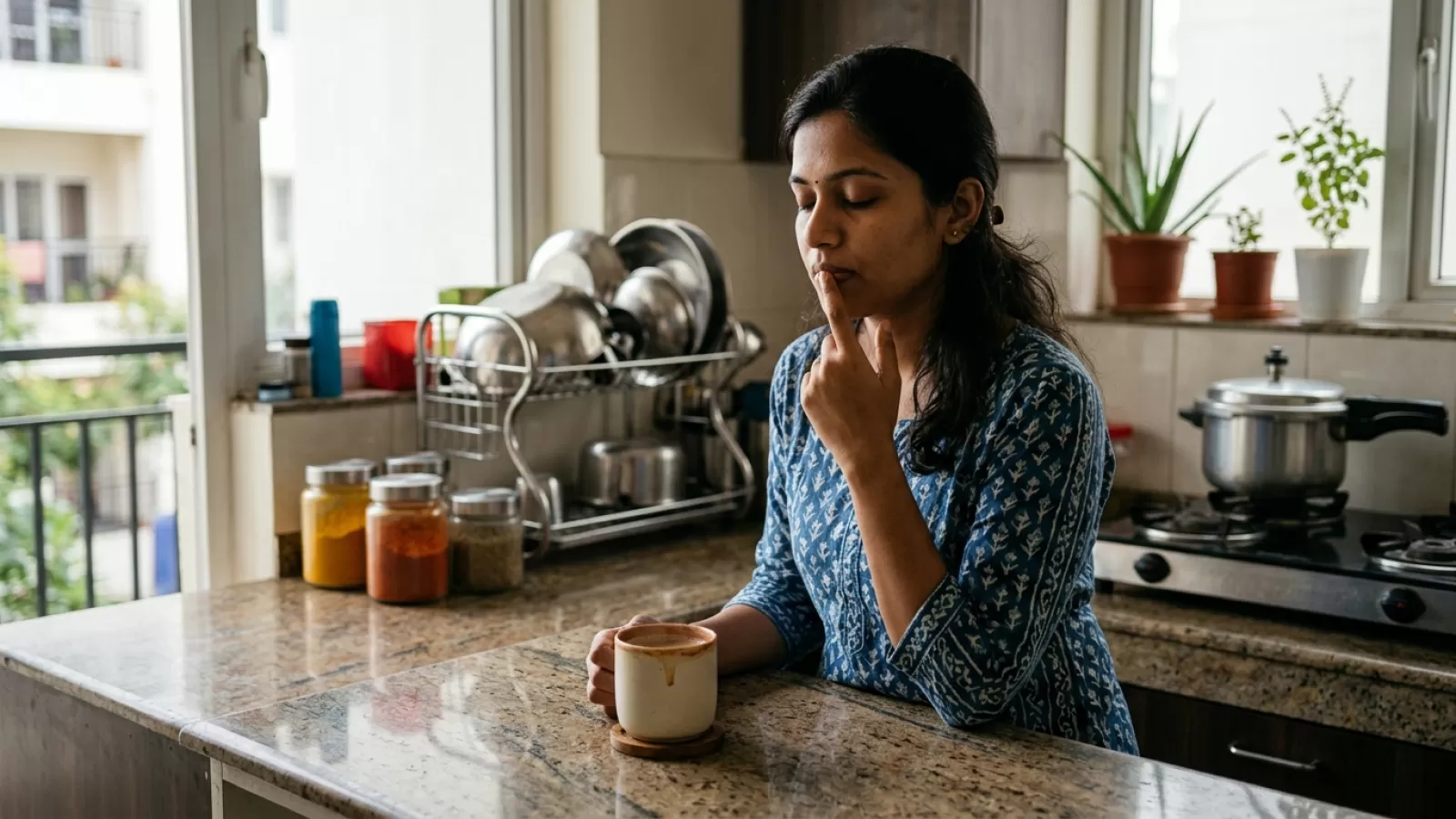
Most people these days feel like their day is running ahead of them. You wake up, and before you know it, it’s evening, and you’ve barely had a chance to catch your breath. Especially in Indian homes—where work, family, and household routines all overlap—it’s common to find yourself working non-stop. But here’s something many families quietly deal with: when you keep going without even the smallest pause, it’s not just your body that gets tired. Your mind starts to feel foggy, and even simple tasks become harder.
Why Pauses Matter (Even When You’re Busy)
There’s a simple truth that most of us ignore: small pauses during the day help you get more done, not less. It’s not about taking long breaks or stopping your work completely. Instead, it’s about giving your mind a few seconds to reset. You might notice, after a long stretch of staring at your screen or chopping vegetables without a break, mistakes begin to creep in. That’s your brain telling you it needs a breather.
These little pauses aren’t about being lazy or wasting time. In fact, they can help you feel less drained by evening. Many older relatives might remember how, in earlier years, people would pause for a cup of chai or stand at the balcony for a moment—those weren’t just habits, but ways to reset without fully stopping.
It’s easy to brush off the need for these small moments. The tricky part is, in the rush to finish everything, we forget that quality suffers when we never pause.
What is a Small Pause? (It’s Not What You Might Think)
Let’s clear up a common confusion: a pause doesn’t always mean you have to leave your task or take a proper break. Instead, it’s simply a moment of shifting your focus, even if just for a few seconds. You can still be at your desk, in front of the stove, or on a call. The idea is to let your mind step back from what it’s doing—just for a moment—so it can return a little fresher.
Some examples of small pauses:
- Quietly looking out the window for 10–20 seconds.
- Taking a single deep breath and noticing it, before resuming your work.
- Changing your sitting position or standing up briefly, even if you keep thinking about your task.
- Pausing your typing or chopping to gently stretch your fingers or wrists.
You don’t have to make a big show of it. In fact, the best small pauses are subtle and fit naturally into your routine.
Simple Pausing Techniques For Any Routine
Here’s the catch: not every technique works for everyone. But there are a few that fit easily into most Indian routines, whether you’re working in a home office, bustling kitchen, or even caring for kids or elders.
- Micro-breathing: Inhale slowly for four counts, then exhale for four. Do it once or twice. You can do this while stirring dal or waiting for your computer to respond.
- Window Glance: Stand or sit near a window and simply observe the outside—trees, sky, even the neighbour’s terrace. 10 seconds is enough.
- Shoulder Roll: Roll your shoulders forward and backward, just once or twice. It’s helpful after long calls or chopping vegetables.
- Water Sip: Take a slow sip of water, paying attention to the coolness. You get refreshed and hydrated at the same time.
- Mini-Reset Walk: Walk to another room and back, maybe under the pretext of picking up something, and notice your steps for a few seconds.
None of these require you to leave your work completely or explain yourself, which is often appreciated in joint families or busy offices.
Pausing Without Disturbing Your Flow
One worry you might have: will these tiny pauses break your rhythm or distract you further? In reality, they’re so short and gentle that you usually return to your work with the same—or even better—focus. Instead of losing your flow, you’re giving your brain a mini-reset, like blinking away the blur in your eyes.
Here’s something often noticed in Indian homes: homemakers pause for a second while waiting for the cooker’s whistle or when flipping rotis. These don’t interrupt the flow of work, but they do help the mind feel less crowded.
If you’re doing something that requires deep concentration, like handling finances or writing reports, a tiny pause after each section or big step can actually make the next part easier. The key is to make the pause so natural that it doesn’t even feel like a break.
Making Pauses a Habit (Even During the Busiest Days)
Building these small pauses into your daily rhythm takes some practice. At first, you might forget, or feel guilty about not working every second. That said, with gentle reminders, it gets easier.
- Set a phone alarm—not to stop work, just as a reminder to do a quick stretch or look away for a moment.
- Link your pause to another habit, like taking a breath each time you finish answering a call or message.
- Encourage family members to join in small pauses, so it feels normal, not odd.
- Allow yourself to pause after tricky tasks (like solving a tough problem or dealing with a difficult person), even if it’s just a few seconds.
Many people find that after a week or two, these pauses become automatic, and they don’t need reminders anymore.
Dealing With Guilt or Resistance
In Indian families, especially among homemakers and professionals, there can be a sense that if you’re not busy every second, you’re not doing enough. This belief is common, but it’s not always helpful. Over time, working without any pause tends to leave you irritated or exhausted by the evening.
If you feel guilty about pausing, try reminding yourself that even machines need to cool down or reset. It’s not about being inefficient. It’s about staying steady for the long run.
Sometimes family members or colleagues may not understand at first. But when they see you’re less tired or in a better mood, they usually come around.
Pauses for Different Life Stages
The kind of pause you need might change depending on your life situation. For seniors, a gentle stretch or a calm gaze at a plant works well. For busy parents, pausing while waiting for the school bus or during a TV ad break can do wonders. Professionals working from home can use the time waiting for a file to upload as their mini-pause.
During festivals or busy seasons, even a few seconds of pausing while lighting diyas or arranging sweets can help you stay grounded. It doesn’t have to be a dramatic time-out—just a small mental breath.
Children, too, often benefit from learning these habits early. You might notice that kids naturally pause between activities, and it helps them switch gears more easily.
Signs You Need a Small Pause (And When to Take One)
Everyone’s signals are a bit different, but there are a few common signs that you could use a mini-pause:
- You’re rereading the same line or making silly mistakes.
- Your body feels tense, or your shoulders are creeping up.
- You snap at someone over a small thing.
- Your eyes feel dry or strained.
- You keep switching between tasks but not finishing any.
When you notice any of these, it’s often wise to take a 10–20 second pause. Most of the time, you’ll return with a bit more clarity or calmness.
Of course, if you’re in the middle of something urgent (say, frying pakoras or in a Zoom meeting), you might have to wait for a natural gap. That’s okay. Pausing isn’t about perfection.
Letting Pauses Fit Naturally Into Indian Life
In the end, these small pauses are like adding a pinch of salt to dal—not always noticed, but they make everything work better. Indian homes are full of movement and multitasking, so you don’t need to create a big fuss about pausing. Just let these moments slip in quietly, as part of your flow.
Some days are harder than others. But even one or two small pauses can make a real difference in how you feel by the end of the day.
Most people won’t even notice you’re doing it. But you’ll know, because things start to feel just a little lighter. And sometimes, that’s enough.