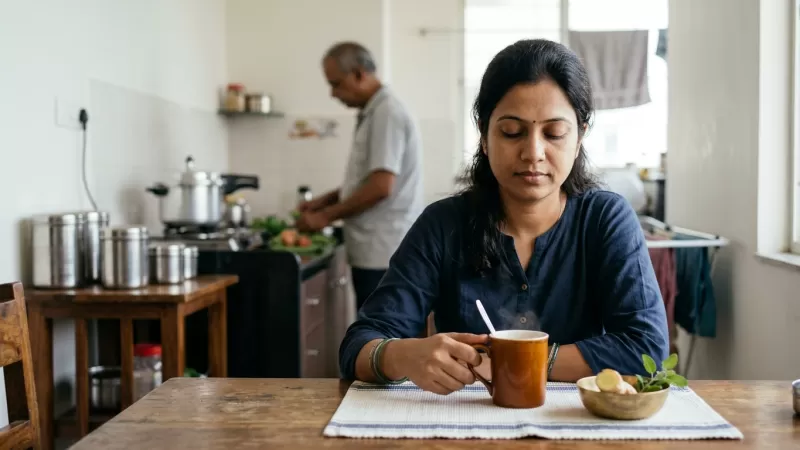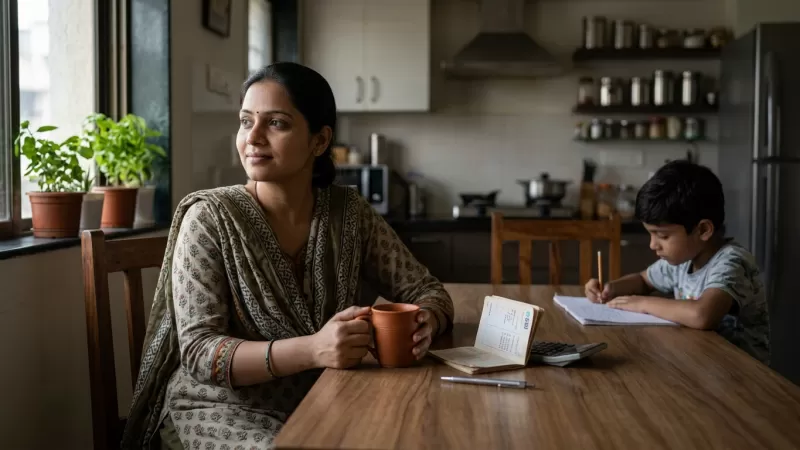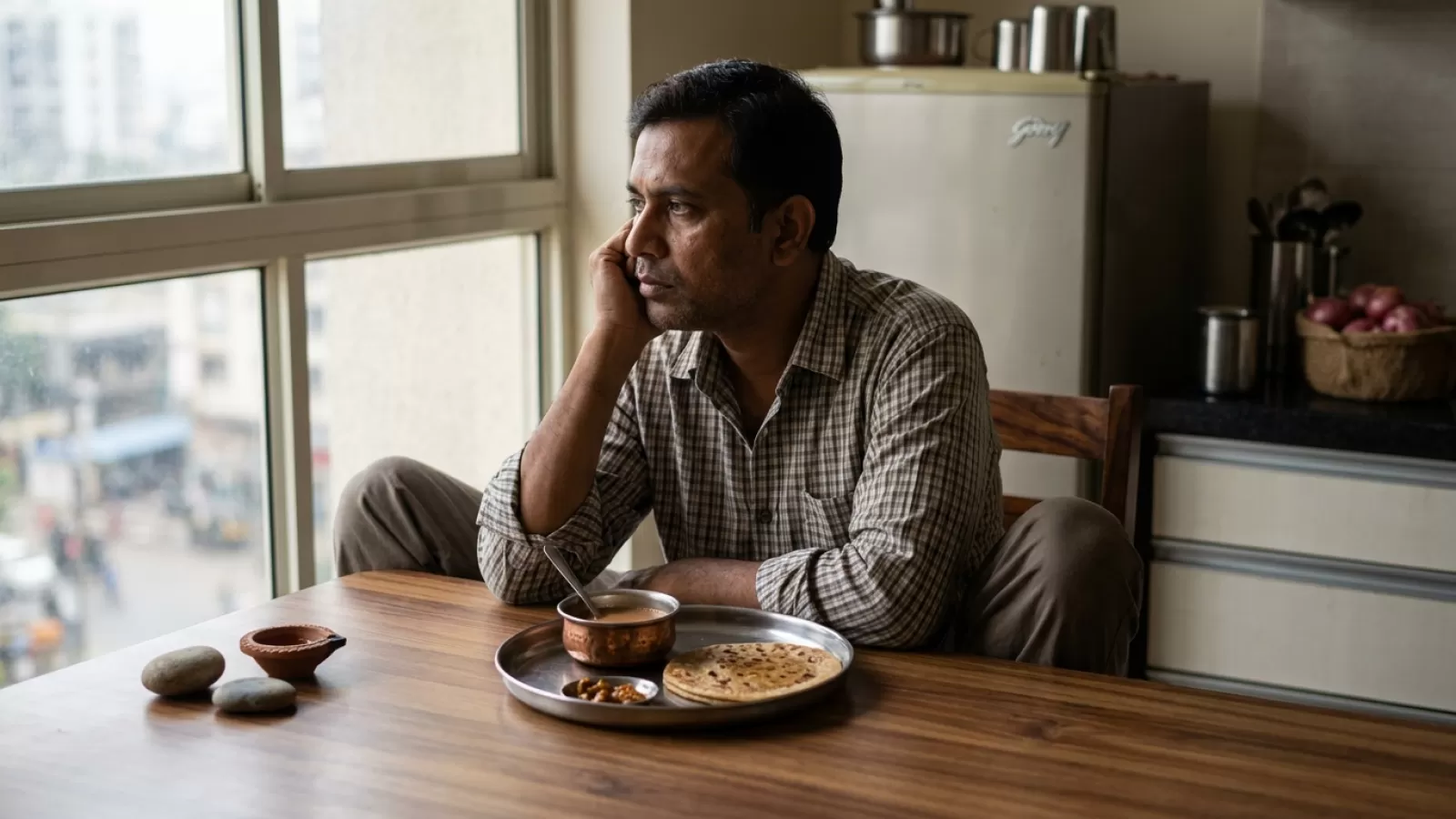
After a long day—whether you’ve been running around in the city traffic, meeting office deadlines, or managing a lively household—many people find it surprisingly hard to simply unwind once the day is done. You might finish dinner, sit on the sofa, and yet still feel your mind racing or your body tense. If this sounds familiar, you’re definitely not alone. Quietly, in many homes, this sort of restless tiredness has become quite common, especially these days when the boundaries between work and home seem blurrier than ever.
What’s Really Going On? The Hidden Patterns in Our Bodies
It might feel like you’re just “wired” or “can’t switch off,” but there’s often a reason—hidden in your nervous system. When you spend all day in a state of high alert (rushing for the metro, handling endless calls, or even worrying about children’s studies), your body’s stress response can stay switched on, even after you’ve officially stopped working. It’s as if your mind and body forgot how to signal, “It’s safe now, time to relax.”
Many people expect that once the chores are done, relaxation will just happen. The tricky part is, relaxation sometimes needs a gentle nudge, especially if your nervous system has become used to being on guard. This isn’t about weakness or lacking discipline—it’s just a modern reality, particularly in busy Indian cities and homes where multitasking tends to be the norm.
So, if your mind feels busy or your shoulders remain tight late into the evening, there are some very gentle ways to encourage a sense of ease—without making your evening feel even busier.
Pause, Don’t Push: Gentle Approaches Work Best
One thing you might notice is that forcing yourself to relax rarely works. If someone says, “Just calm down” or “Don’t think so much,” it usually makes things worse. What often helps is inviting a little softness or space into your routine, rather than piling on new tasks or rules.
Here’s a simple idea: give yourself permission to do nothing for a few minutes after work. Not scrolling on your phone, not planning tomorrow, but simply sitting quietly—maybe near a window, or just on your bed. No pressure to meditate or be productive. Just sit, breathe, and let your senses notice the little things (the sound of the fan, the feeling of your kurta, the taste of chai if you like).
It’s surprising how a few minutes of doing absolutely nothing can signal your nervous system that it’s time to slow down. You don’t need any special setting or equipment—just a willingness to pause, even in a busy home.
Comfort in Familiar Evening Rituals
Many Indian families have their own small, comforting rituals in the evenings. Sometimes it’s lighting a diya, preparing a simple cup of masala chai, or just quietly folding clothes while chatting with family members. These small routines are often more than just chores—they can be tiny signals to your mind that the day is winding down.
If you’ve lost touch with these rituals, try bringing back something familiar. It doesn’t have to be elaborate. Even rinsing your face with cool water, changing into house clothes, or laying out tomorrow’s clothes can gently transition your mind out of “work mode.”
Some families like to sit together for a short prayer or bhajan, while others may just gather in the living room and talk about their day. There’s no right or wrong way, but a bit of predictability in your evenings can go a long way in calming your inner restlessness.
Letting Go of “Shoulds”: Accepting Imperfect Evenings
Here’s the catch—many people feel guilty if they aren’t able to relax “properly.” You might compare yourself to friends who seem to effortlessly unwind, or feel frustrated if your mind is still busy after dinner. But the truth is, not every evening will feel peaceful. Some days, your mind might stay jumpy, or family tensions might crop up just as you’re settling down.
It’s okay. You’re not failing at relaxation. In fact, accepting that some evenings will be restless can itself be a relief. When you stop fighting your own mind, you often find a bit more ease, even if things aren’t perfect. Over time, this gentle approach can make a real difference.
Try to notice if you’re putting pressure on yourself to “relax the right way.” Instead, focus on what feels possible and kind to yourself. Sometimes, just dimming the lights and putting your feet up counts as a win.
Soothing Sensory Signals: Calming the Body First
Sometimes, starting with the body helps the mind follow. Many people find that certain sensations can quietly tell the nervous system that it’s safe to dial down. In Indian homes, it’s common to use sensory comforts—think of a warm bucket bath in the evening, wrapping up in a soft shawl during winter, or even sitting on the cool floor after a hot day.
Some gentle practices that often help:
- Washing your feet with cool or warm water before bed
- Lighting agarbatti or a favorite scented candle (if you like)
- Listening to soft, familiar music or old songs
- Gently massaging your hands or feet with coconut oil
These aren’t “fixes,” but small ways to tell your body, “You can let go now.” For many, these sensory cues become reliable signals that work better than just trying to talk yourself into relaxation.
Quiet Activities That Don’t Feel Like More Work
After a long day, even well-meaning advice to “take up a hobby” or “learn something new” can feel overwhelming. That said, some activities are gentle enough to help without adding pressure. These aren’t about achievement—they’re about giving your mind a soft place to land.
Consider these low-effort options:
- Coloring with your children or grandchildren—no need to stay inside the lines
- Watering indoor plants or arranging fresh flowers
- Listening to a favorite radio program or podcast while lying down
- Idly flipping through old photo albums or recipe books
The key is to choose something that feels easy, not like another item on your to-do list. If you skip it, that’s fine too. The point is to have a few options ready for when you need them.
Evening Eating Habits: Gentle, Not Strict
You’ve probably noticed that very heavy or spicy dinners sometimes make it harder to relax and sleep well. In many Indian homes, late dinners are common—especially if everyone comes home at different times. That said, you don’t need to overhaul your food habits overnight. Small tweaks often help.
Some families quietly find that lighter, familiar foods in the evening—like dal, rice, curd, and simple sabzi—tend to help with both digestion and mental ease. You might notice that eating dinner a little earlier, when possible, gives you more time to wind down before bed. But if your routine doesn’t allow for this, don’t stress. Even having a cup of warm milk or a bit of fruit after dinner can feel soothing.
It’s not about strict rules. It’s about noticing what helps you personally feel comfortable in the evenings, and making gentle adjustments when you can.
Accepting Restlessness: A Normal Part of Modern Life
Many people today expect that relaxation should come easily, as if there’s something wrong when it doesn’t. The truth is, in today’s fast-paced, noisy world, it’s normal to feel restless, even after the day’s work is over. If you’re struggling to unwind, it doesn’t mean you’re weak or lacking willpower—it often just means your mind and body have gotten used to being switched on.
What matters is how you respond to this restlessness. Try to treat yourself with the same patience and gentleness you might offer to a loved one. Over time, these tiny practices—pausing, using familiar rituals, choosing comforting activities—tend to invite a bit more ease into your evenings, even if only in small ways.
Some evenings will feel peaceful, others may not. That’s just how life goes, especially in a busy Indian home. The important thing is to keep finding little moments of softness where you can, and to know that it’s okay to take it slow.