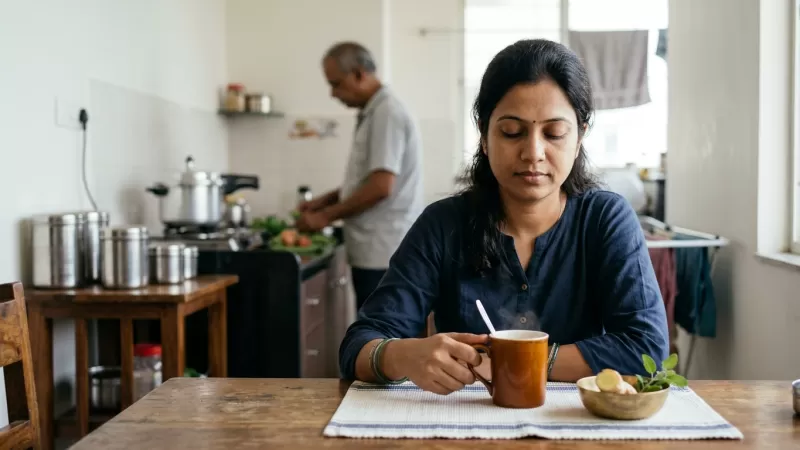
After a long day, you finally sit down—maybe with a cup of chai or just your own thoughts. But instead of feeling peaceful, your mind keeps racing. You might find yourself scrolling your phone without purpose, fidgeting, or even feeling a bit anxious. Many people, especially in busy Indian homes, quietly struggle with this restlessness. It’s not laziness or lack of willpower. Often, it’s just a sign that your mind and body have gotten so used to being busy, they’ve forgotten how to switch off.
Why Does Rest Feel So Uncomfortable?
In many Indian families, life is always moving. There’s always something on the list—checking on the pressure cooker, replying to a WhatsApp group, making sure the milk doesn’t boil over. Even if you have a help at home, the mental load remains. When you finally try to relax, your nervous system is still running on high gear. It’s as if your mind is asking, “What’s next?” instead of, “Can I pause?”
These days, with both partners working or kids attending online classes, the home itself becomes a workplace, a school, and a kitchen—sometimes all at once. The result? Your brain doesn’t know when it’s allowed to switch from "doing" to just "being." You might notice that even during a festival holiday, you’re still thinking about unfinished chores.
Here’s the catch: Most of us aren’t taught how to rest. We learn how to work hard, but rarely how to let our bodies and minds truly unwind.
The Invisible Pressure to Stay Busy
You’ve probably noticed how being busy is almost a badge of honour. If you’re not doing something productive, there’s a tiny voice inside (or sometimes a family member’s comment) that makes you feel guilty. This pressure is especially strong if you’re used to managing a household or balancing office deadlines.
Some common reasons people resist rest:
- Feeling guilty about taking a break when others are working.
- Worrying that things will fall apart if you’re not constantly alert.
- Believing that rest is only for the elderly, unwell, or lazy.
- Associating relaxation with being unproductive or wasting time.
It’s no wonder sitting still feels so unnatural! The mind tries to fill the quiet with plans or worries, rather than letting you enjoy the moment.
The Overstimulated Mind: Why It Happens
The past few years, with constant news updates, family WhatsApp forwards, and the lure of endless streaming, have made overstimulation almost normal. Even children seem busier than ever. Between screens, noise, and multitasking, the nervous system rarely gets a real break.
In Indian homes, background sounds—TV serials, cooker whistles, traffic—add to this. It’s easy to forget what silence or stillness even feels like. Many people say they feel “off” when things get too quiet, as if something’s missing. That’s simply a sign that your mind has gotten used to constant input.
Restlessness isn’t always about how much you have to do—it’s about how much your mind is holding. Sometimes, even when the work is done, your brain is still on guard.
Recognising Your Own Rest Resistance
It helps to gently notice your patterns around rest. When you try to slow down, do you suddenly remember small tasks? Do you reach for your phone or TV remote without thinking? These are common signs.
Some subtle clues you might spot:
- Difficulty sitting quietly for more than a few minutes.
- Feeling uncomfortable or guilty when you’re not "doing" something.
- Restless legs, tapping fingers, or fidgeting.
- Unwanted thoughts crowding in as soon as you lie down.
Everyone’s pattern is a bit different. What matters is simply noticing, without judgment, that you’re finding it hard to relax. That’s the first gentle step.
Simple Ways to Ease Into Rest
Rest doesn’t have to mean lying down in silence or doing nothing at all. For most people, it’s easier to start with small, familiar activities that feel comforting. Here are a few ideas that fit naturally into everyday Indian routines:
- Chai or Herbal Infusion Ritual: Take five quiet minutes to really savour your evening chai or a cup of warm water with tulsi. Focus on the warmth, the aroma, and the act of holding your cup.
- Gentle Movement: Sometimes, your body needs to move a little before it can rest. Try slow stretching, a few rounds of deep breathing, or even just walking barefoot in your balcony or terrace for a few minutes.
- Light Household Tasks: Folding clothes, watering plants, or arranging a shelf can be restful if done mindfully. The point isn’t productivity, but letting your mind slow down while your hands are gently busy.
- Listening to Soothing Music: Old Hindi film songs, bhajans, or simple instrumental music can help shift your mood. Many people find music eases the mind into relaxation better than silence.
The trick is to choose something that doesn’t overstimulate you (like scrolling news or fast-paced TV) but isn’t so empty that your mind panics. A little bit of structure, a little bit of comfort.
Making Rest Part of the Routine
In most Indian homes, daily routines are built around meals—breakfast, lunch, tea, dinner. You can gently anchor a bit of rest around these times. For example, after lunch, instead of jumping back into chores, spend five minutes just sitting and letting your body digest. After dinner, resist the urge to check your phone or do last-minute work. Try dimming the lights and listening to calming music or simply chatting with family about pleasant topics.
It’s easier to build a rest habit if you tie it to something you’re already doing. Small breaks add up over time and teach your mind that it’s safe to slow down.
Of course, some days will be too hectic, and that’s okay. You’re not failing if you miss a day. The idea is to gently nudge your routine, not overhaul it overnight.
Managing Guilt and Self-Talk Around Relaxation
Let’s be honest—guilt is a big barrier. You might feel lazy or selfish for taking time out, especially if others at home are busy. But rest isn’t indulgence. It’s part of taking care of yourself so you can care for others better.
If your mind starts judging you (“Why are you wasting time?”), try reminding yourself that everyone, even the busiest person, needs moments of pause. Think of rest as recharging, not abandoning your responsibilities.
Some people find it helpful to set a gentle boundary: "I’m taking 10 minutes for myself now, and then I’ll get back to things." Over time, family members may also come to respect these small pauses, especially if they see you calmer and more patient as a result.
Creating a Calmer Environment at Home
Sometimes, your surroundings make it harder to relax. Harsh lighting, loud TV, clutter, or constant phone notifications can all keep your mind on edge. You don’t need a fancy makeover, but a few small changes can help.
Simple ideas to try:
- Keep one corner of your home clutter-free—a chair, a balcony spot, or near a window.
- Switch to softer lighting in the evenings. Even a small lamp or diya can change the mood.
- Put your phone on silent or in another room when you want to rest, even for 10 minutes.
- If possible, open a window for some fresh air or listen to natural sounds.
These little shifts signal to your mind and body that it’s okay to relax now. You might be surprised how much difference five minutes of calm can make after a noisy day.
Accepting That Rest Takes Practice
Here’s something most people don’t say: Resting is a skill, and like any skill, it takes practice. If you’re not used to it, it can feel uncomfortable or even boring at first. That’s entirely normal.
With time, your mind and body will relearn how to slow down. There will still be days when rest feels impossible—during exams, festivals, or family emergencies. But slowly, you’ll notice moments when your mind doesn’t jump to the next thing, and your body feels a little lighter.
It’s not about reaching perfect relaxation. It’s about making space for a bit more ease, in the middle of everyday busyness.
So, next time you find yourself restless as soon as you sit down, remember: you’re not alone, and there’s nothing wrong with you. Sometimes, letting yourself do nothing for a few minutes is the wisest thing you can do.