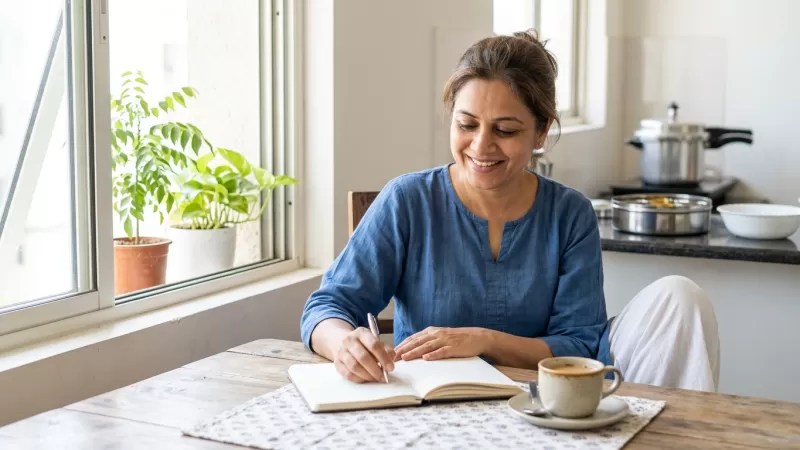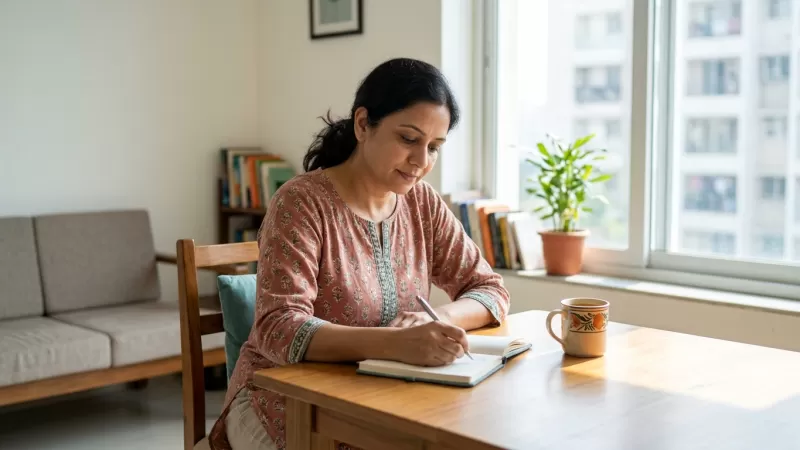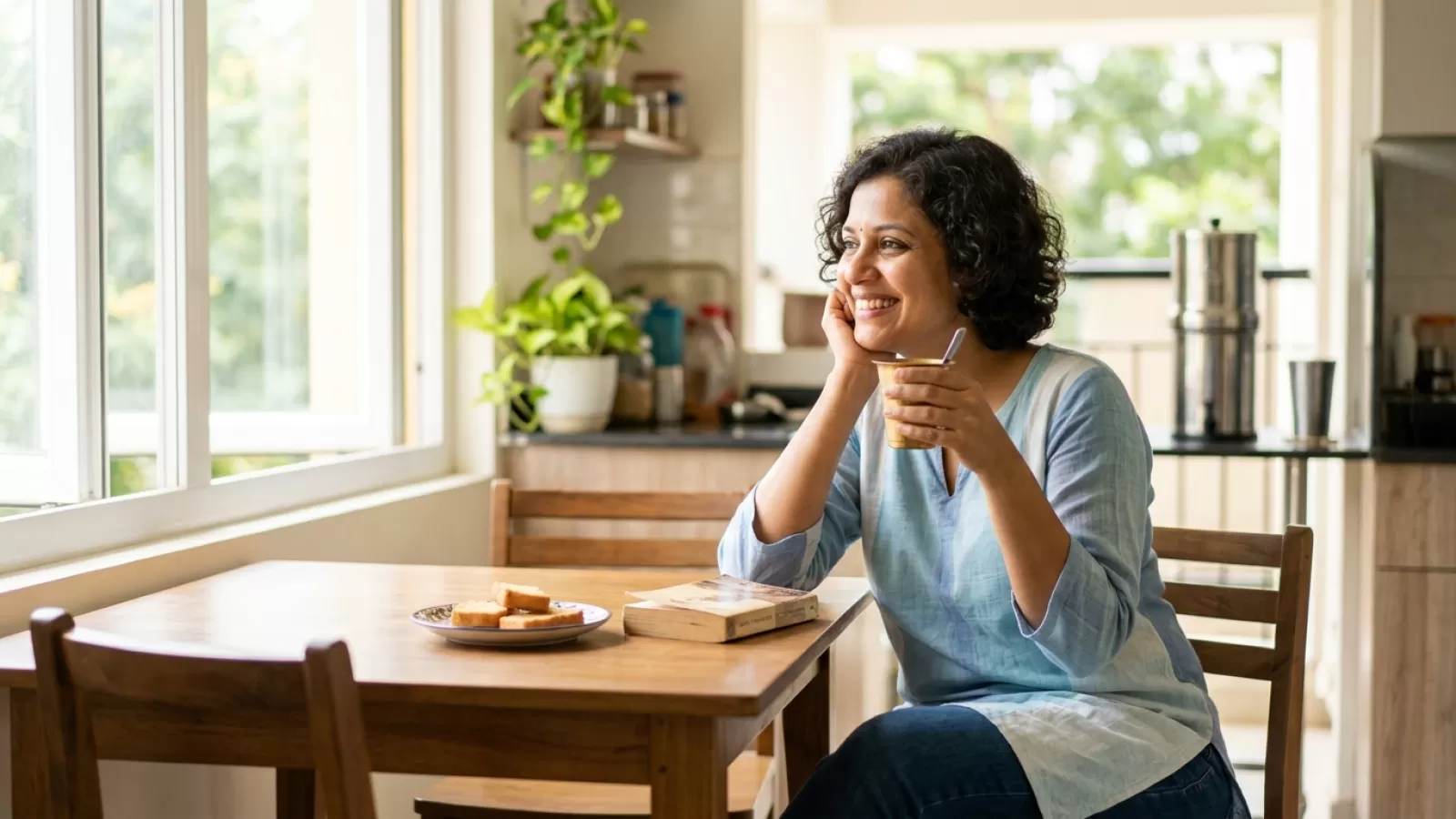
Late in the evening, as the pressure cooker whistles its final call and the TV hums in the background, an Indian adult finally sits down—determined to relax. The fan stirs warm summer air. But instead of calm, a new restlessness creeps in. Thoughts of unfinished work, tomorrow’s tiffin, that leaking tap, and the unread family WhatsApp messages crowd out any hope of peace. For many, calm techniques for Indian adults who cannot relax feel like another task—one more thing to get right.
It happens in homes across India. The more someone tries to force themselves to unwind, the more stubborn the mind becomes. It’s almost as if the direct effort to relax makes relaxation slip further away. That’s why, in practice, the adults who find genuine calm are rarely the ones who follow strict routines of “relaxation”—but those who stumble upon indirect ways to feel at ease, sometimes without even realizing it.
Why Trying to Relax Often Backfires in Indian Homes
In many Indian families, the idea of relaxation is tangled up with duty and guilt. If you sit down with a cup of chai, someone will often ask, “Don’t you have work?” Or, the mind itself starts counting everything still left to do. When relaxation does not work in India, it’s not because people don’t want calm. It’s because calm is often treated like yet another item on a long checklist.
Take the adult who finishes dinner, cleans up, and then declares, “Now I’ll relax.” The moment they sit, their mind races: Did the milkman come? Did I call Mausi back? What about the electricity bill? The act of sitting down with the intention to relax sets off a mental alarm. The household rhythm—noise, expectation, movement—rarely pauses just because you want it to.
There is another layer too. Many Indian adults cannot switch off because shared spaces mean someone is always coming or going. Even in smaller families, the phone rings, the bell buzzes, or a neighbour drops in. Forced relaxation not working in India is less about lack of willpower and more about the nature of daily life—busy, interrupted, and full of invisible demands.
Why Direct Efforts to Find Calm Can Increase Stress
The tricky part is, telling yourself to relax puts extra pressure on your mind. The harder you try, the more your brain starts scanning for signs of calm—and when none is found, frustration grows. In joint families, adults might hear, “Go and rest, you look tired.” But lying down just brings up more worry—about children, ageing parents, or work emails. The expectation to feel better adds another layer of stress.
Psychologists working with Indian adults often find that suggesting direct relaxation (like lying down quietly) can actually make anxiety worse. There’s a mismatch between inner restlessness and outer stillness. Especially for those used to being busy, quiet moments can feel unsafe or unfamiliar. Many adults, especially women, have grown up seeing their own mothers “relax” only when everyone else’s needs were handled. So, relaxation can feel like a luxury that is not truly allowed.
When relaxation does not work in India, it is usually because of two things—a nervous system wired for activity, and a culture that prizes visible effort. Calm techniques for Indian adults who cannot relax need to work with these realities instead of against them.
Everyday Signs You’re Forcing Relaxation—And It’s Not Helping
- Restlessness when sitting still: The moment you sit down, your leg starts tapping, your hands reach for your phone, or you start scanning the room for chores.
- Guilt about taking breaks: You feel uneasy or even irritated when someone tells you to rest. A voice in your head whispers, “Shouldn’t you be doing something?”
- Endless mental lists: Instead of feeling peaceful, your mind races through tomorrow’s to-do list, groceries, and family needs.
- No real change in how your body feels: Even after sitting quietly, your shoulders stay tense, your jaw clenched, and your breath shallow.
- Relief only when fully exhausted: You only “relax” when there’s no energy left at all, rather than feeling refreshed or restored.
Gentle, Indirect Paths to Calm That Work in Indian Homes
- Let movement lead you there: For many, cleaning up the kitchen, folding laundry, or watering plants is oddly calming. These activities let the mind settle without pressure. Calm techniques for Indian adults who cannot relax often work best when disguised as familiar household tasks.
- Use small rituals: Lighting a diya at sunset, making masala chai, or sitting quietly with dahi after lunch can signal the body to slow down. The act matters more than the outcome.
- Sensory anchors: Many adults find touching cool steel utensils, listening to temple bells in the distance, or smelling tadka from the neighbour’s kitchen grounds them in the present. These sensory moments create micro-pauses for the nervous system without “trying” to be calm.
- Find quiet in activity: Some feel most peaceful while chopping vegetables, rolling roti, or shelling peas with family. These repetitive tasks can bring the mind to a soft focus. The calm that arises here is different from the forced relaxation not working in India’s busy households.
- Let go of the goal: Instead of aiming to relax, simply notice what feels less tense—maybe it’s listening to old film songs, maybe it’s arranging the bookshelf. The less you aim for relaxation, the more likely it is to appear.
How Calm Techniques for Indian Adults Who Cannot Relax Blend Into Everyday Life
In many Indian homes, indirect calm shows up between the lines of daily life. A working professional commuting in Bengaluru might find the only real pause during the bus ride home, headphones on, gazing out the window. An older adult in Lucknow sweeps the courtyard at dawn—not to finish a chore quickly, but because the rhythm of the broom calms her nerves.
After long workdays, some families sit together on the balcony, not talking much, just sipping chai and watching the street below. This is not “scheduled” relaxation. It’s simply allowing a pocket of stillness to form in the middle of noise and activity. In these moments, calm comes sideways—never as a direct goal.
Even children notice this. On Sundays, when parents stop fussing and quietly read the newspaper or tend to plants, the atmosphere in the house shifts. Calm techniques for Indian adults who cannot relax are often invisible to outsiders, but they matter deeply in the rhythm of home.
Knowing When to Seek Support Beyond Household Calm
Most of the time, indirect calm is enough. But if restlessness keeps you from sleeping, affects your appetite, or leaves you feeling irritable all day, it’s sensible to talk to a doctor or mental health professional. Sometimes, persistent anxiety or inability to switch off signals something deeper. In many families, having a gentle conversation with a trusted elder or friend is the first step before seeking outside help.
Common Questions
Finding calm in an Indian household isn’t always about sitting still or following a routine. Often, it’s about weaving small, indirect pauses into your day. Let’s look at some of the most common questions people have about why relaxation does not work, and what really helps in Indian homes.
Why does trying to relax sometimes make Indian adults feel more anxious and restless rather than calmer?
When you try to relax by telling yourself to “just switch off,” your mind often rebels. In many Indian homes, stillness brings up thoughts of unfinished tasks, family needs, and social expectations—making rest feel risky or unearned. The harder you push for relaxation, the more the brain scans for what’s missing or undone. For many, forced relaxation not working in India comes from this mismatch between what you want and what your daily life allows.
What are the most effective indirect approaches to calm for Indian adults whose nervous systems resist direct relaxation attempts?
Gentle, everyday activities—like preparing chai, cleaning, watering plants, or organizing a small corner—are often the best calm techniques for Indian adults who cannot relax. These actions let your mind settle without the pressure of “doing nothing.” Many families have discovered that shared rituals, like sitting together for evening tea or quietly listening to music, create calm without ever naming it as relaxation. Fitness coaches who train working adults often find that most movement in Indian homes comes from daily tasks, not planned exercise.
How do you create genuine calm in the body without using willpower or effort to force it?
The simplest way is to follow what feels soothing, not what is labelled as “relaxation.” This might be a slow walk in the colony after dinner, handwashing clothes, or even kneading dough for roti. These indirect paths allow your body to downshift gradually. Letting calm appear as a side effect—rather than the goal—often works better in busy Indian homes, especially when relaxation does not work India through direct effort.
What is the difference between the kind of calm that comes from exhaustion and the kind that comes from genuine nervous system regulation?
Calm from exhaustion feels heavy—your body collapses, and your mind goes numb only because there’s no energy left. Genuine regulation leaves you feeling lighter, refreshed, and more present, not just drained. Many Indian adults cannot switch off until they’re fully spent, but real calm lets you pause before reaching that point. It’s the difference between falling asleep from tiredness and actually feeling peaceful while awake.
What daily habits in Indian life most indirectly create the conditions for genuine relaxation without trying to achieve it directly?
Small habits work best—like quietly sipping chai by the window, listening to evening aarti sounds, or doing repetitive chores with soft focus. Letting yourself enjoy the rhythm of daily tasks, rather than pushing them away, often calms the mind. Even a few minutes of gentle activity or shared silence with family can help more than strict relaxation exercises, especially when forced relaxation not working India is the real experience at home.
A kitchen in Nagpur at 6am. Outside, the sky is still grey. The gentle sound of washing rice, the coolness of the floor tiles under bare feet, and the warmth of early chai fill the air. Nobody is talking about relaxation. Yet, in the quiet shuffling and soft light, a sense of calm settles in—unexpected, unforced, and real.