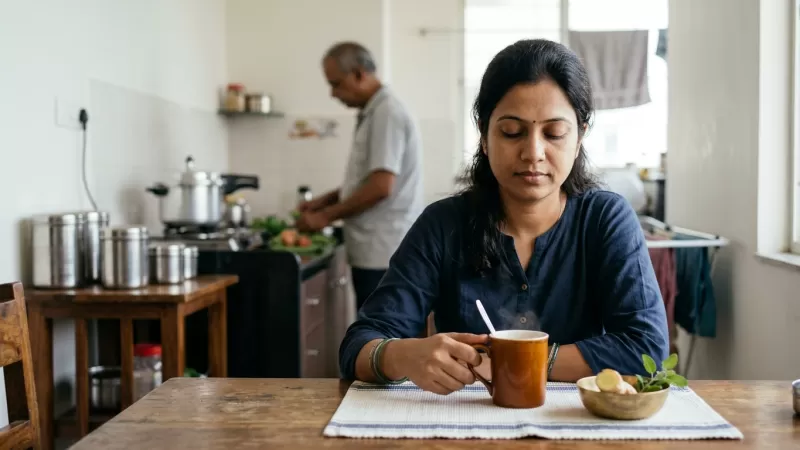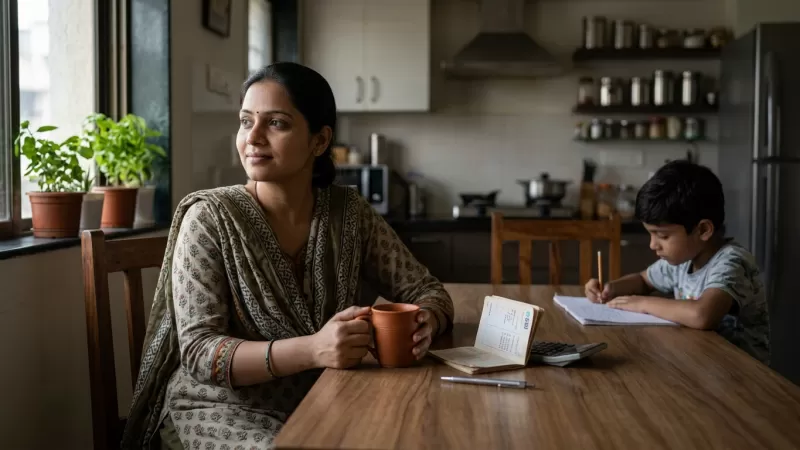
There are days when everything feels like it’s happening at once. Maybe you’re in the kitchen, the cooker whistles, your phone rings, someone calls you from the next room, and suddenly, your mind feels flooded. Sometimes, even a small thing—a child’s question, a work message, or the doorbell—can tip you into that feeling of being overloaded. It’s not always about big problems; even ordinary days can bring these sudden moments. In many homes, people quietly deal with this, often without anyone noticing.
What Is Sudden Overload, Really?
Overload isn’t just about having too much to do. It’s that moment when your thoughts, worries, and tasks all seem to pile up at once, leaving you breathless or even a little shaky. You might feel your chest tighten, your mind race, or your patience snap. These feelings are more common than most people admit—especially in Indian homes, where multitasking isn’t just a skill, it’s part of daily life.
The tricky part is that these episodes come out of nowhere. One second you’re chopping onions or replying to a WhatsApp message, and the next, you feel like you’re drowning in to-dos and noise. It happens to homemakers juggling chores, professionals dealing with back-to-back calls, and even seniors managing household routines.
Here’s the thing: these moments don’t mean you’re weak or incapable. They’re just a sign that your mind—and maybe your body—needs a small pause.
Why Breathing Helps When You Can’t Take a Break
Most advice about stress says, “Take a break.” But in reality, you can’t always leave everything and go for a walk, especially if you’re making rotis or keeping an eye on a toddler. That’s where calm breathing comes in. It’s something you can do while standing at the stove, sitting at your desk, or even on your way to answer the door.
Breathing is automatic, but when you pay attention to it—even for a minute or two—it can help your mind slow down. You’ve probably noticed how quickly your breath changes when you’re startled or upset. With a little awareness, you can use your breath to bring some steadiness, even if the chaos around you hasn’t changed.
It’s not magic, but it’s surprisingly effective. And you don’t need special equipment or a quiet room.
Noticing the Signs: When to Use Breathing Practices
Everyone’s tipping point is different. You might notice your jaw tensing, your voice getting sharper, or your hands trembling. Sometimes you’ll catch yourself sighing loudly or holding your breath without realizing it. These are gentle signals from your body that you’re reaching your limit.
Some common triggers in Indian households include:
- Multiple family members calling for your attention at once
- Unexpected guests arriving during busy times
- Work deadlines clashing with home duties
- Festive preparations with time pressure (think Diwali cleaning or wedding season)
- Managing children’s online classes or homework during school months
If you notice these signs—tightness, irritability, or feeling overwhelmed—it’s usually a good moment to try a simple breathing practice. No need to wait until things spiral.
Simple Breathing Techniques for Busy Moments
There are many breathing practices out there, but not all are practical when you’re in the middle of daily life. Here are a few that fit into most routines without much fuss:
- 2-Minute Slow Breathing: Inhale slowly for a count of 4, then exhale for a count of 6 or 8. Try to keep it gentle, not forced. You can do this while stirring dal or even while waiting for your laptop to restart.
- Shoulder Drop with Breath: As you exhale, consciously drop your shoulders and relax your jaw. It’s a small signal to your body that it’s safe to soften for a moment.
- Counting Breaths: Inhale and count “one,” exhale and count “two,” up to five. Then start again. This can be surprisingly grounding, especially when your mind is jumping around.
- Lip Breathing: Purse your lips (like you’re blowing out a candle) and breathe out slowly. This can help when your breath feels stuck or shallow.
The best part is, you don’t have to close your eyes or sit in a particular way—just pause for a few breaths, wherever you are.
Fitting Breathing into Your Everyday Routines
It’s easy to forget about calm breathing in the middle of chaos. Some people find it helpful to tie these practices to everyday moments—almost like a little reminder from your routine itself. For example:
- Before answering the phone, take one slow breath
- While waiting for the cooker’s whistle, do a few rounds of counted breathing
- When closing the fridge, pause for a single long exhale
- While folding clothes or sweeping, sync your actions with slow breaths
These tiny pauses don’t solve every problem, but over time, they add up. You might find you’re a little less reactive, a little more steady, even on busy days. That said, it’s perfectly normal to forget sometimes, especially when things are hectic. No need to judge yourself.
Handling Doubt and Resistance (It’s Normal)
Many people, especially in busy Indian families, feel a bit silly or skeptical about breathing practices. You might think, “How will this help when I have so much to do?” or “I’ve tried before, but I keep forgetting.”
The truth is, you don’t have to be perfect with this. Even one or two mindful breaths, here and there, can make a difference over weeks and months. You might not notice a dramatic shift right away—sometimes it’s just a sense that you handled a tough moment with a bit more calm than usual.
If you feel uncomfortable, try starting when you’re alone or during quieter moments. Over time, it becomes more natural. In fact, many families have a member who quietly does this during tense situations, even if no one talks about it.
When Breathing Isn’t Enough (And That’s Okay)
Sometimes, no matter how much you try, the overload doesn’t go away. There are days when everything feels too much, and even simple breathing doesn’t help as much as you’d like. This is normal. Everyone has limits, and sometimes the best you can do is ride out the moment and take care of yourself later.
On such days, a glass of water, stepping onto the balcony for a minute, or even just closing your eyes for a few seconds can help. If you find yourself snapping at loved ones or feeling exhausted, it’s not a failure—it’s just a sign you might need more rest, support, or simply a change of scene.
Remember, calm breathing is a tool, not a cure-all. It’s one small thing you can lean on, especially when you can’t walk away from your responsibilities.
Gently Bringing Others Along
If you notice that your family members—children, elders, or even your spouse—seem overloaded, you can share these practices in a gentle way. Maybe invite your child to take a “slow breath break” while doing homework, or simply model calm breathing yourself during busy moments. Over time, others might pick up on this habit, even without a big announcement.
It’s also fine if nobody else is interested. This is one of those quiet, personal things that works best when it fits naturally into your life, not as a rule or chore.
Some families find it helpful to talk openly about stress during dinner or tea time, especially after a tough day. Just acknowledging that overload happens can make everyone feel less alone with their feelings.
Final Thoughts: Small Practices, Everyday Steadiness
In the end, calm breathing during moments of overload isn’t about fixing everything or pretending life is always peaceful. It’s about finding a little steadiness in the middle of everyday messiness—when pressure builds up over lunch prep, or when a busy evening feels never-ending. These small pauses won’t remove your challenges, but they do offer a gentle cushion for your mind and body.
Even if you manage only a few mindful breaths in a week, it’s something. And that’s often enough to help you meet the next moment with a bit more calm.