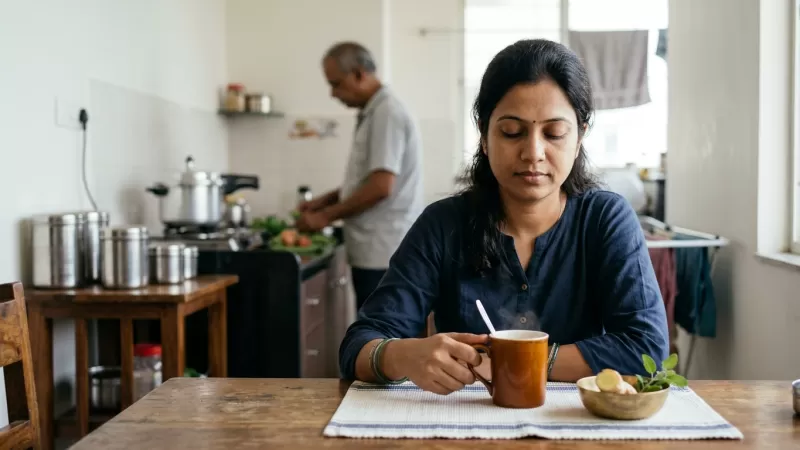
Some days, no matter how much you try to rest—whether it's sleeping in on a Sunday or squeezing in a quick afternoon nap—the tiredness just lingers. You might wake up with a heavy head or still feel slow even after your usual chai break. Many families quietly deal with this, especially when life seems to move faster than ever. When rest doesn't feel truly refreshing, it's not always about getting more sleep. Sometimes, it's about how your mind is carrying the day's load, even when your body is on the bed.
Understanding Why Rest Feels Incomplete
In many Indian homes, rest is often squeezed between responsibilities—packing tiffins, helping with homework, finishing office calls, or folding laundry while watching TV. Even when you sit or lie down, your mind may still be ticking with worries, lists, and half-finished tasks. You've probably noticed this: the body is still, but the mind just won't switch off.
There are days when you do everything "right"—early dinner, quiet room, comfortable bed—and yet, in the morning, you feel unrested. This isn't unusual. It tends to happen more during busy periods or after emotional days, like during exam season, festivals, or after family disagreements. The tricky part is, more physical rest doesn't always fix it.
This is where gentle awareness practices can help—not as a cure, but as a way to invite a little more mental ease into your day, even when your schedule is packed.
What Is Calm Awareness? (And What It Is Not)
Calm awareness isn't about emptying your mind or reaching some perfect state. In simple terms, it's about noticing what's happening in and around you, without rushing to judge or change it. It's like giving yourself a quiet corner in your own mind, even if the house is full or the phone keeps buzzing.
In Indian families, there are small moments when this comes naturally—savoring the taste of fresh dal, watching a diya flicker, or hearing the koel sing just before dawn. These little pauses can be woven into your routine, no matter how busy life gets.
That said, you don't have to sit cross-legged and close your eyes for an hour. Calm awareness can be as simple as noticing the warmth of your cup of chai or feeling the breeze from the ceiling fan on a hot afternoon.
Everyday Awareness: Simple Practices for Home
Trying to force yourself to relax often backfires, especially when the mind is restless. Instead, you might find it helpful to gently bring awareness to small, ordinary actions. These don't require extra time—just a shift in attention.
- Breathe with Intention: While waiting for your tea to boil, try noticing your breath for a minute or two. You don't need to change it—just feel it moving in and out.
- Feel Your Feet: When you're doing chores like washing vegetables or folding clothes, notice the sensation of your feet on the floor. It grounds you, even during a busy day.
- Savor Ordinary Flavors: When eating, occasionally pause and really taste that first bite of sabzi or roti. Let yourself notice the spices, the warmth, the texture.
- Listen to Background Sounds: Instead of reaching for your phone during a short break, close your eyes for a few seconds and listen—maybe it's birds outside, or the distant noise of a pressure cooker.
These practices may seem too simple, but many people find that, over time, they're easier to keep up than more complicated routines. There's no need to be perfect—some days you'll forget, and that's okay.
Making Room for Tiny Pauses
Modern routines in India can feel relentless, especially for those balancing office work, home responsibilities, and sometimes even elder care. You may not get long breaks, but tiny pauses are still possible. They're like mini holidays for your mind.
Here are a few ideas that fit naturally into busy Indian homes:
- Pause for a single deep breath after closing the fridge or kitchen cupboard.
- Look out of a window for a few seconds after making the bed.
- Feel the water on your hands while washing your face or hands after coming home.
- Notice the first few steps when you enter a room or leave the house, instead of rushing to the next task.
These are not big changes. But with practice, they can help you notice small moments of rest you might be overlooking.
Dealing with Restlessness and Discomfort
It's common to feel frustrated when your body is tired but your mind keeps racing. Some evenings, you may lie in bed replaying the day's conversations or worrying about tomorrow. This happens to almost everyone at times, especially when life feels uncertain or challenging.
Instead of pushing the restlessness away or scolding yourself for it, try acknowledging it: "I'm feeling unsettled right now." Sometimes just naming it can soften its grip a little.
It can help to gently shift your focus to physical sensations—like the weight of your blanket, the feeling of your head on the pillow, or the sound of a ceiling fan. This doesn't make discomfort vanish, but it can make it feel less overwhelming for a while.
Here's the catch: awareness doesn't always feel relaxing at first. Restlessness may come and go. That's perfectly normal.
Awareness During Family Time
In many Indian households, evenings are filled with family chatter, TV shows, or shared meals. These moments can be both comforting and, at times, a bit noisy or draining—especially after a long day.
Bringing a little calm awareness into these moments doesn't mean isolating yourself. It can be as simple as really listening to a family member's story, or noticing the comfort of sitting together without needing to talk.
If you feel overwhelmed by noise or conversation, it's okay to excuse yourself for a minute—maybe step out onto the balcony or into another room. Even a short stretch or a splash of water on your face can create a small pocket of ease.
And if you forget, or the evening feels chaotic, that's alright too. There will always be another chance tomorrow.
Cultural Touchstones: Using Indian Rituals and Rhythms
Indian life is full of small rituals—lighting a lamp, offering flowers, or pausing for evening prayer. These customs aren't just spiritual; they also create natural pauses in the day.
If you have a daily or weekly tradition, you can bring calm awareness to it. When lighting a diya, take a moment to watch the flame flicker. When making rangoli, feel the texture of the powder or colors under your fingers. During festivals, notice the sounds, smells, and warmth of the gathering.
Even if you're not religious, the rhythm of Indian days—morning sounds, afternoon heat, evening coolness—offers many chances to pause and notice. You might watch the sky change color at dusk, or enjoy the quiet before sunrise, even for a minute or two.
These small rituals can anchor your days, making rest feel a little more complete, even when life is busy.
Gentle Reminders for Sustainable Practice
It's easy to forget these awareness practices, especially when you're tired or distracted. You might remember only after a rough night or a stressful day, and that's okay. Habits build slowly.
A few gentle reminders can help:
- Choose one or two practices that feel natural and easy. Don't try to change everything at once.
- Link a practice to something you do every day, like brushing your teeth or making tea.
- Share your intention with a family member, if you feel comfortable—they might even want to join you.
- Be kind to yourself on days you forget. Let it go, and start again the next day.
Most importantly, remember that calm awareness isn't about perfection or reaching some special state. It's simply about coming back to yourself, again and again, in the middle of whatever ordinary moments make up your day.
Some days will feel easier than others. And that's perfectly normal.