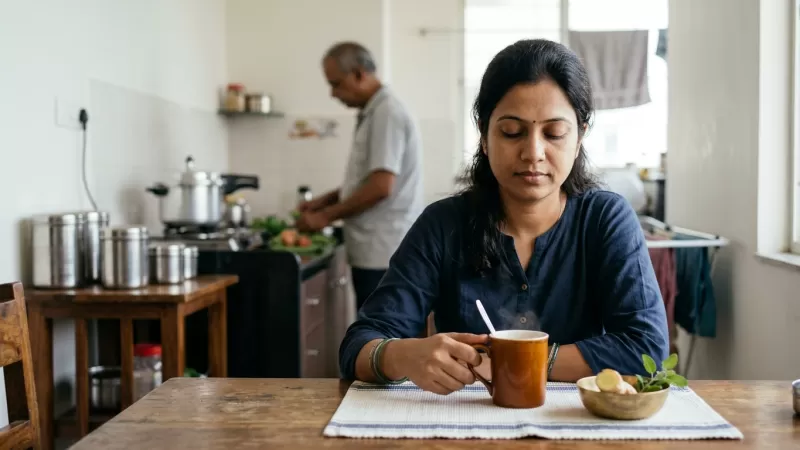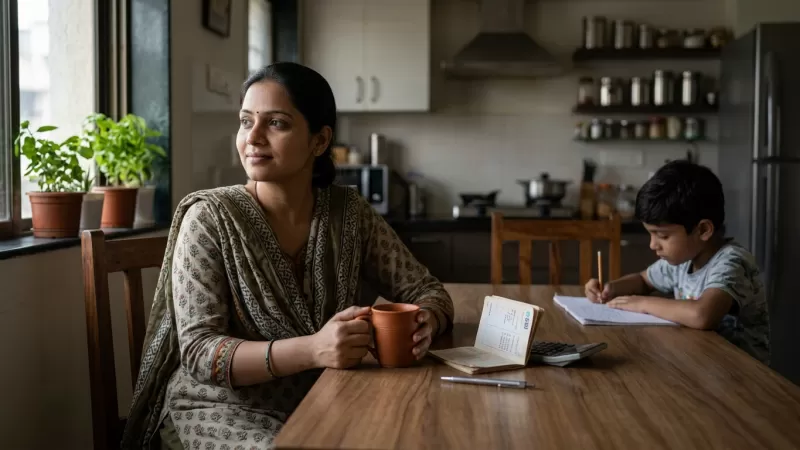
Most of us carry a little bit of tension inside—sometimes it shows up as a stiff neck after a long day, or a tightness in the chest when the doorbell rings during dinner prep. Often, it’s not the big, obvious stress that wears us down, but these small, quiet knots that settle in our bodies and breath. You might notice your shoulders creeping up while you chop vegetables, or your breath becoming shallow when your phone buzzes with work messages late in the evening. These moments are so woven into Indian daily life that they almost go unnoticed. But there are gentle ways to soften this invisible load, starting with something as simple as how you notice your breath.
Understanding Subtle Inner Tension in Everyday Life
Subtle tension is not always easy to spot. It doesn’t usually announce itself loudly; instead, it seeps in during busy mornings, while waiting in traffic, or when family disagreements simmer quietly in the background. You might feel it as a heaviness in your body, or sense that your breathing is more rushed than usual. In many Indian homes, the day starts early and ends late, so this kind of tension can become a background companion.
It’s normal, especially with the way city life runs these days. There’s cooking, work calls, school drop-offs, and sometimes, just the constant hum of expectations. The tricky part is, when we ignore these small signs, they can pile up, leaving us feeling drained or restless by nightfall.
If you’ve ever caught yourself holding your breath while reading a WhatsApp message, you’re not alone. This is where simple breath awareness can quietly help, without needing a big lifestyle change or any fancy equipment.
How Breath and Tension Connect
Breath is often the first thing to change when we’re tense, even if only slightly. You’ve probably noticed—during arguments, while rushing to finish chores, or even during festival preparations—breathing tends to become shallow or uneven. The body and breath are like old friends; when one feels off, the other reacts.
In many homes, especially where several generations live together, there’s a quiet pressure to keep things running smoothly. Sometimes, people hold their breath while listening for a child’s cry or waiting for a spouse to return late at night. Over time, this habit can make the body feel tight, and the mind restless.
Here’s the catch: we can’t always remove the cause of tension, but we can learn to notice how it feels in the body—especially in the breath. This noticing, gentle as it sounds, is the first step to softening the tightness.
What Is Breath Awareness?
Breath awareness is simply paying attention to how you’re breathing, without trying to change it right away. It’s not about deep breathing or pranayama (though those have their place). Instead, it’s a soft noticing—a way of checking in with yourself in the middle of everyday life.
You might do this while waiting for the dal to boil, or sitting quietly after everyone’s gone to bed. Some people find it helpful during their evening walk, when the air is cooler and the day is winding down.
The idea is not to force yourself to breathe a special way, but to bring a gentle curiosity. Is your breath fast or slow? Is it deep or shallow? Are you holding it without realizing? This small act of awareness can be surprisingly soothing.
Simple Breath Awareness Practices for Home
There’s no need for a yoga mat or a special room. Breath awareness can fit quietly into almost any routine. Here are a few ways you might try, using moments that already exist in your day:
- Pausing before meals: Before you start eating, sit for a few seconds and notice your breath. Is it rushed, or calm? Let it settle naturally.
- Waiting moments: While waiting for the cooker’s whistle or in a queue, notice your breath moving in and out. No need to control it—just watch.
- Bedtime check-in: As you lie down, place a hand on your chest or stomach. Feel the breath move and see where it feels tight or easy.
- Tension spot scan: If you feel tightness (like a stiff jaw or tense shoulders), notice what your breath is doing at that spot. Often, awareness alone softens the grip.
These practices don’t require any extra time, just a shift in attention. It’s okay if you forget sometimes—many people do. The important part is to start noticing when you can.
Making Breath Awareness a Gentle Habit
Habits grow slowly, especially ones that ask us to pause in a busy day. It’s natural to forget or feel awkward at first. Some days, you might remember only at night, or perhaps just once during the day while waiting for an auto.
One gentle way is to link breath awareness to regular activities. For example, you might check in with your breath every time you wash your hands, or during your evening chai. Children can join in too, making it a family practice without any pressure.
There’s no perfect way to do this. Some days you’ll forget, and that’s absolutely fine.
Small, regular moments of noticing are much more helpful than big, rare efforts.
Common Difficulties and How to Ease Them
Many people quietly deal with restlessness or irritation when first trying breath awareness. You may notice your mind wandering, or feel impatient to finish and get back to your to-do list. That’s normal—after all, we’re not used to pausing in the middle of the day without a clear reason.
If you find yourself getting distracted, try not to scold yourself. Instead, just return to noticing the breath, even if only for a few seconds. Some people find it easier with eyes closed, while others prefer looking out a window. There’s no need to sit cross-legged or be extra-serious about it.
Sometimes, especially during stressful family situations, breath awareness can bring up uncomfortable feelings. That’s okay too. You can always stop if it feels too much—there’s no rulebook here.
Observing Subtle Changes Over Time
With regular practice, even for just a few seconds at a time, you might start to notice small shifts. Perhaps your shoulders drop a little faster after a tense phone call, or your breath becomes easier during evening traffic. These changes are often quiet, not dramatic.
Some families find that when one person practices breath awareness, it gently encourages others. Children, especially, pick up on calm energy more than instructions. Over weeks or months, these small moments can add up, making daily life feel just a bit lighter.
That said, it’s important to remember that not every day will feel easier. There will be days when tension lingers, and that’s just part of life.
Bringing Breath Awareness Into Indian Home Life
Indian homes are busy places, especially during festivals or when guests arrive unexpectedly. It’s easy to think there’s no space for practices like breath awareness, but in reality, it fits best when woven into the natural pauses of your day.
Maybe it’s during the five minutes after lighting the diya, or while sitting quietly after a family meal. For working professionals, it might be while waiting for a video call to start, or during the commute. Seniors often find comfort in these practices during the quiet of early morning or after evening prayers.
The beauty of breath awareness is that it asks so little—just gentle curiosity, a few moments, and a willingness to notice what’s already happening. Over time, this can soften the edges of daily tension, making room for a bit more ease in the middle of everything else.